
Free written scope consultation - allowances, timeline, and change-order rules on paper before a single trade is scheduled
Cambria Home Additions & ADU: The Fort Worth Owner’s Guide
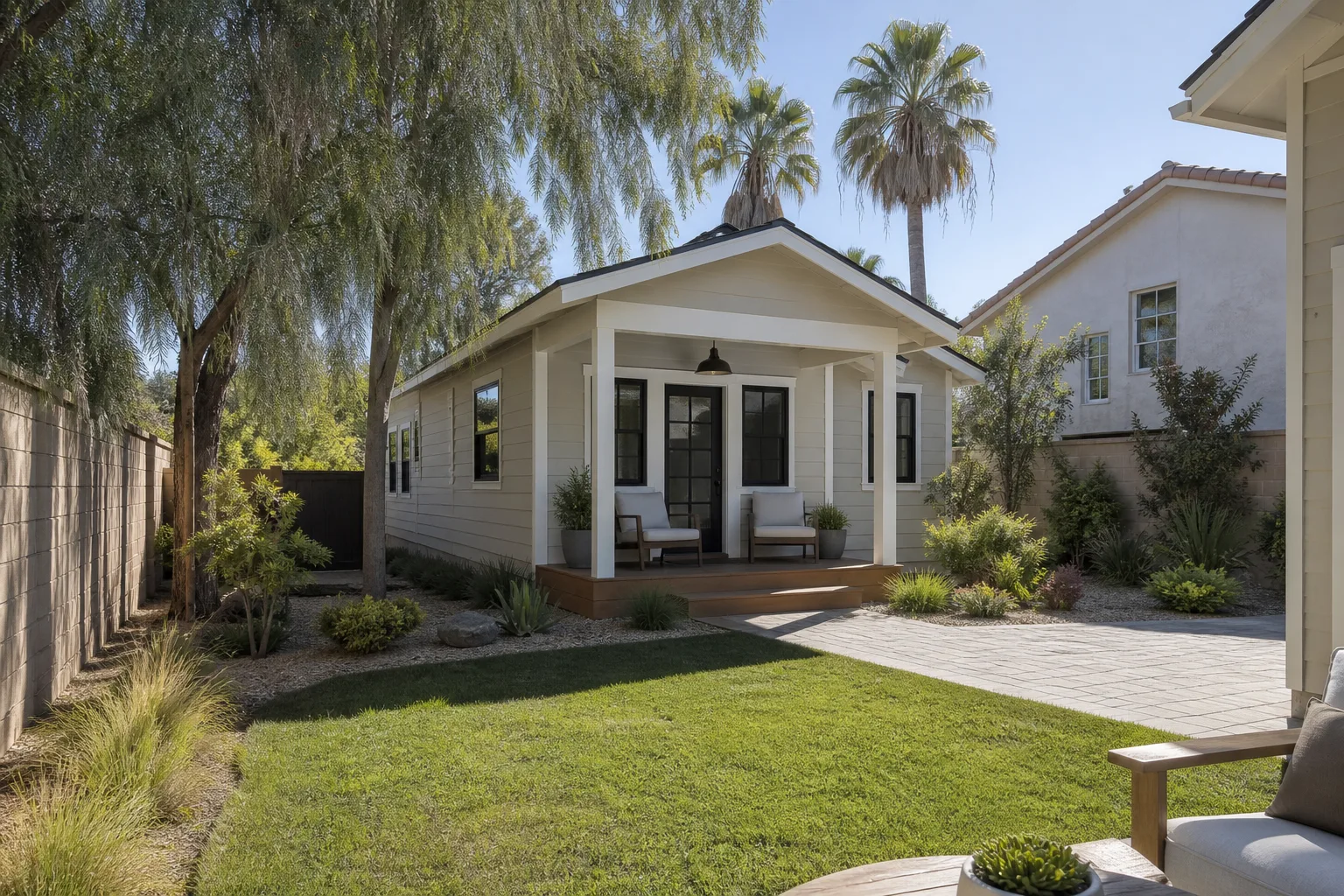
If you’re planning a home addition or ADU in Fort Worth and want Cambria surfaces in the finished space, a full project with materials typically runs $45,000 to $130,000 installed, depending on square footage, site work, and finish level. Most Fort Worth homeowners call us after realizing their existing addition needs a structural fix plus a surface upgrade, or when they’re ready to convert wasted square footage into livable space. The good news: we handle the whole job, from framing to Cambria countertop fabrication and install, so you’re not coordinating three different crews.
Which Cambria Models This Applies To
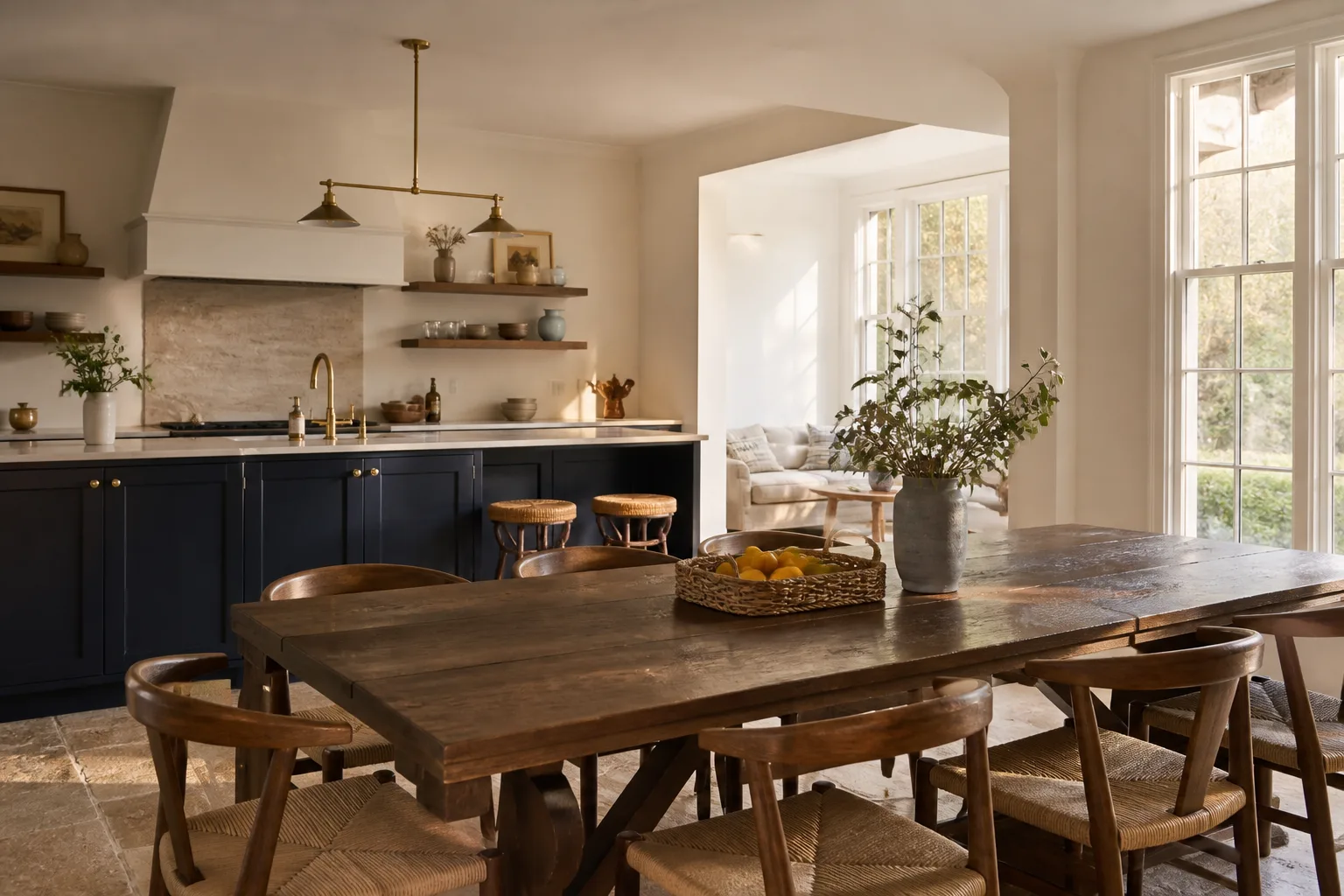
Every Cambria quartz slab is a natural quartz and resin composite, but the collection you choose changes how it behaves in a Fort Worth addition or ADU. The Cambria Matte finish hides fingerprints better in rental ADUs. The Cambria High Gloss reflects more light, which matters in smaller additions where you want the space to feel bigger. Bigger slabs in the Cambria Luxe and Waterstone collections can run jumbo-sized, which gives you fewer seams across long kitchen runs or bathroom vanities in a new addition.
For a home addition or ADU, slab thickness matters more than it does in a simple countertop swap. Most Cambria slabs are 2 cm or 3 cm. In a rental ADU you’ll likely want 3 cm because it doesn’t need plywood underlayment and stands up better to tenant wear. The 2 cm option works if you’re doing a full-height backsplash wall with a lighter profile. When we order Cambria for your project, we verify the slab lot number matches across all pieces so the veining flows, that’s a step that gets skipped on cheap jobs and shows up as a visible seam line later. Sawyer Remodel Fort Worth is an independent contractor, not a Cambria dealer, so we spec and install whatever your project actually needs rather than pushing one collection.
Styles & brands we work with







Signs Your Cambria Home Addition or ADU Plan Is Heading Toward a Problem
Most failed addition or ADU projects in Fort Worth share the same root causes. Here’s what we see:
- Cracks in the slab or uneven countertop overhang. This usually means the base cabinets weren’t shimmed level before the Cambria went down, or the addition’s floor has settled. North Texas clay soil shifts with moisture, and new additions settle in the first two years.
- Seams pulling apart or changing color at the joint. The installer used the wrong adhesive or didn’t prep the joint. Cambria needs a specific color-matched epoxy; a cheap clear adhesive will yellow fast.
- Water staining around the sink or at the backsplash line. A sign the caulking failed or was never applied correctly. In a Fort Worth ADU that sits empty between tenants, a slow leak here becomes mold behind the wall in a month.
- Chipping along the front edge or corners. Cambria is tough but not indestructible. A dropped pot or a tenant moving furniture can chip a 2 cm edge. A 3 cm eased edge holds up far better.
- The addition itself wasn’t permitted, and now the surface work won’t pass inspection. This is the big one. If the framing or electrical wasn’t permitted, no countertop installation will fix the underlying problem. We pull permits before any structural work starts.
Replacement Cost & What’s Included
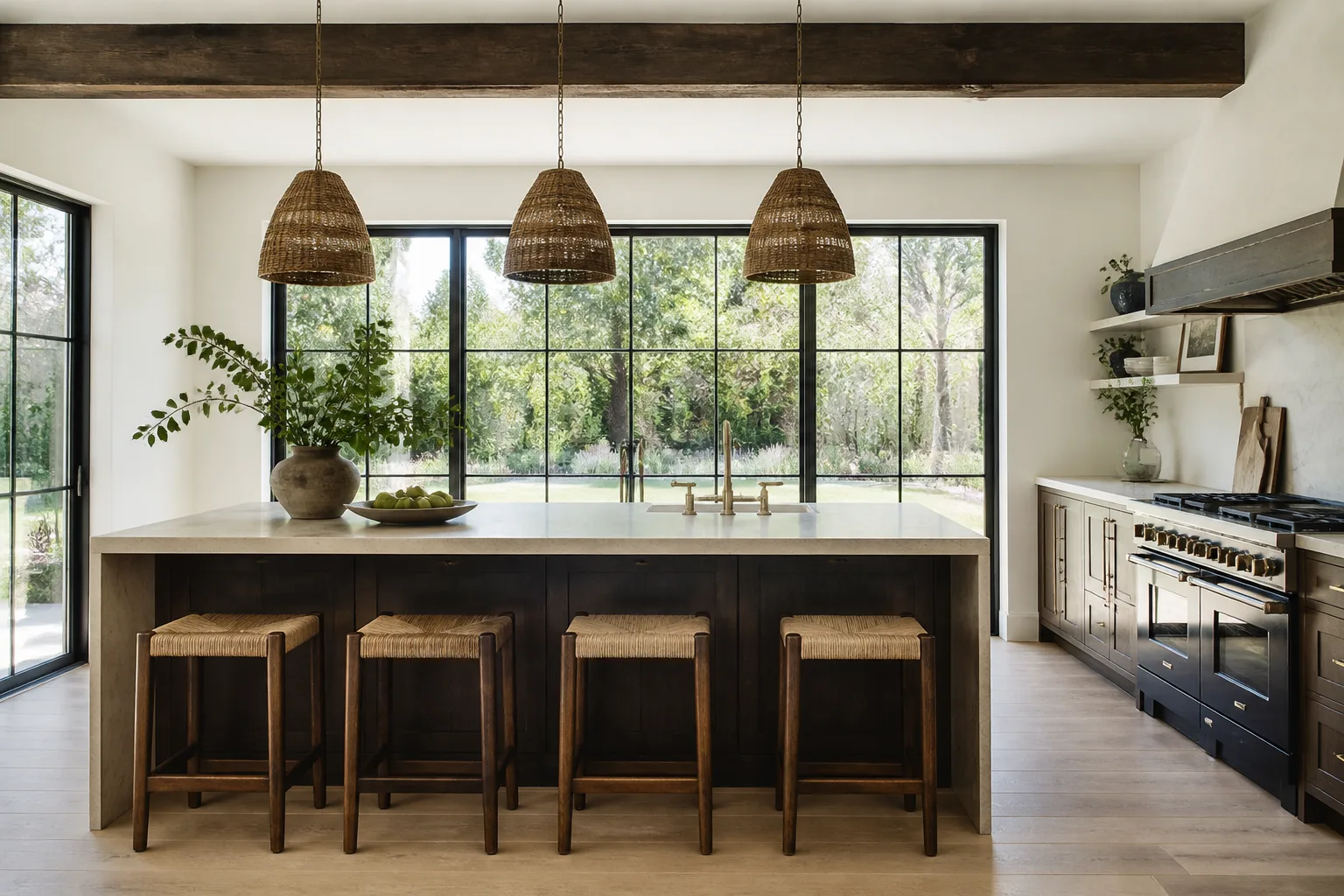
For a full home addition or ADU in Fort Worth, you’re looking at $45,000 to $130,000 installed. Where your project falls depends on square footage, whether we’re building from the slab up or converting an existing garage, and how much Cambria surface you’re adding. A detached ADU with a small kitchenette might land lower in the range if you keep the footprint tight. A 600-square-foot addition with a full kitchen, bath, and laundry pushes toward the top.
We don’t hand you a number over the phone and call it done. Every project gets a written, line-item quote before work starts. That quote includes the Cambria slab cost, fabrication, delivery, install, plumbing and electrical, drywall, paint, and the permit. What it also includes, and this is where we differ from most: a live arrival time, photo updates before and after, and a digital invoice you pay from a link. If something’s not done right, the 365-Day Done Right Promise covers it. In writing.
See the difference
 Before
 After
After Before
 After
After Before
 After
AfterDIY or Call Us?
If your question is “can I just re-caulk the backsplash or touch up a chip,” yes, that’s a weekend job and you don’t need us. Cambria sells a chip repair kit, and any homeowner can run a clean caulk bead with a steady hand. But here’s the line: if the problem involves framing, plumbing, electrical, or anything structural in a Fort Worth addition or ADU, don’t try to save money by doing it yourself. We’ve torn out more DIY additions than we’ve ever been hired to finish.
In Tarrant County, an unpermitted addition can block a future sale, fail an insurance claim, or bring a city stop-work order. And Cambria is a heavy, unforgiving material to set. A 3 cm slab piece can weigh over 15 pounds per square foot. Get that wrong and someone gets hurt, or you crack a $2,000 slab. If the work involves electrical, gas, or load-bearing walls, call a licensed contractor. That’s what we tell our own families. Call (682) 841-6652 and we’ll tell you straight if it’s a job you should attempt or a job you should hire us for.
FAQs
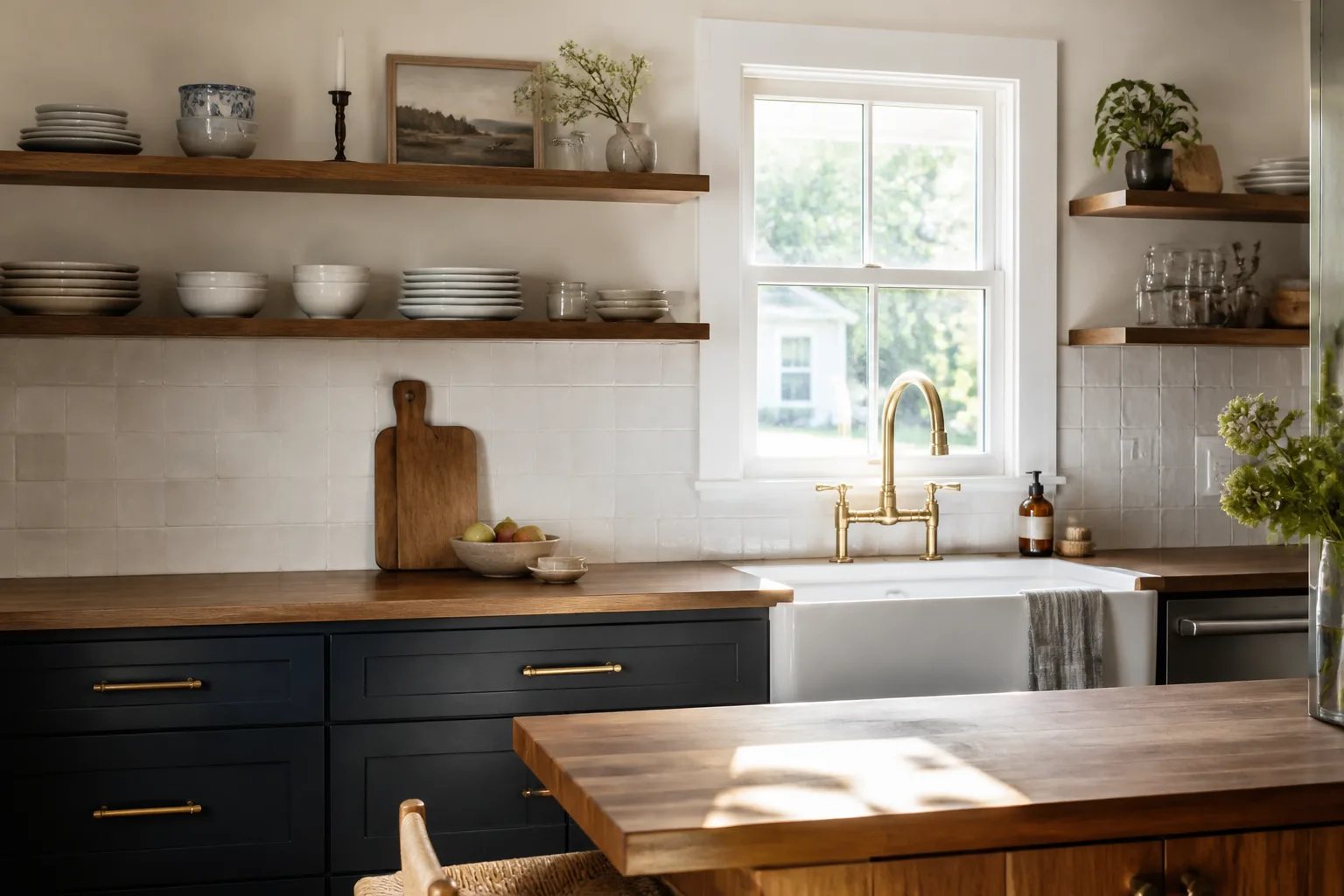
Cambria quartz should last 25 years or more with normal use, and we’ve seen original installations from the early 2000s still looking clean. In North Texas, the bigger long-term concern is the addition itself, since clay soil movement can shift the cabinet base under the slab, so a proper foundation starts the countertop’s lifespan.
Yes, small chips and hairline cracks are repairable with a Cambria color-matched epoxy and a surface polish. A crack that runs through the slab, or a seam that has separated due to foundation movement, usually means replacement. We’ll look at it and tell you which one you’re dealing with before quoting anything.
A typical 400 to 600 square foot addition runs 3 to 6 months from permit to final walkthrough. Permitting in Fort Worth usually takes 3 to 6 weeks alone. We keep you updated at every step, and we tell you the schedule in writing before we start, not after the demo is done.
We don’t stock slabs locally, because Cambria slabs are fabricated to order to match your exact measurements. But we handle the entire process: we help you pick the collection, we place the order, we handle delivery and fabrication, and our crew does the install. You don’t have to coordinate anything. Call (682) 841-6652 and we’ll walk you through the slab selection process.
Get Your Free Fort Worth Addition Quote
Planning a home addition or ADU in Fort Worth and want to know what it’ll actually cost? Call (682) 841-6652 and we’ll send someone out to measure, talk through your Cambria options, and hand you a written line-item quote before any work begins. No vague estimates, no pressure, no price that changes at the door. We’ll also send you the names and photos of the crew who’ll be on your job before they arrive.
And if you’ve got a failing addition or a countertop that’s seen better days, same deal. We’ll tell you what’s worth fixing, what’s worth replacing, and exactly what it’ll cost. The work talks. We just back it up.
Written by Luca Romano, Owner & Lead Remodeler, Sawyer Remodel Fort Worth at Sawyer Remodel Fort Worth, serving Fort Worth and nearby areas.


