


Free written scope consultation - allowances, timeline, and change-order rules on paper before a single trade is scheduled
IKO Home Additions & ADU: The Fort Worth Owner’s Guide
IKO home additions and ADU construction in Fort Worth typically runs $45,000 to $130,000 installed, depending on square footage, foundation type, and whether you’re adding a bedroom suite or a full accessory dwelling unit with a kitchen and bath. Most homeowners call us when a previous IKO-backed renovation has a structural or envelope failure – a cracked drywall seam where the addition meets the original slab, a roofline that’s pulling away, or subfloor deflection in a second-story bump-out. The part most people need isn’t a widget off a shelf; it’s the load path, flashing detail, or tie-in connection that the original IKO install never got right.
We’re Sawyer Remodel Fort Worth, an independent general contractor – not affiliated with IKO, but deeply familiar with how their product lines behave once Texas clay soil and a Fort Worth summer get ahold of them. We stock the common fasteners, flashing, and framing connectors on our trucks, and we order IKO-compatible materials same-day from local supply yards when the job calls for it.
Which IKO Models This Applies To
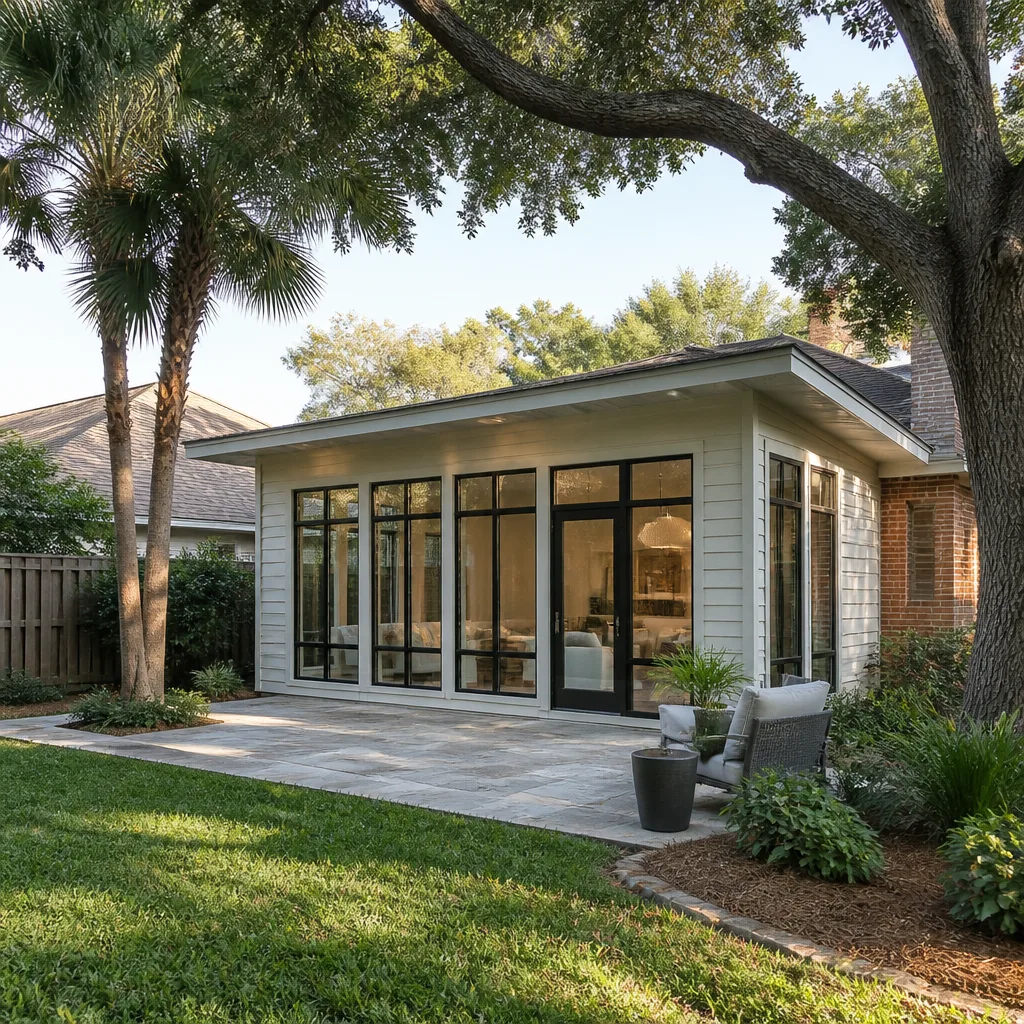
IKO’s home addition and ADU product lines break into two broad groups: their prefabricated panel systems (wall, floor, and roof panels that arrive pre-cut) and their stick-built framing packages with IKO-branded sheathing and weather barrier. In Fort Worth, we see mostly the panel systems on detached ADUs and garage conversions, while the stick-built packages show up on bump-outs and second-story additions.
The compatibility gotcha that catches people: IKO panel systems are engineered for specific fastener schedules and sealant types. If a previous contractor used standard drywall screws or a generic silicone on the panel seams, the shear rating drops and you’ll see movement cracks within two to four years. Check the stamp on the panel edge – it lists the panel series, the fastener spec, and the required sealant. The aftermarket equivalents we use (Simpson Strong-Tie connectors, Grace Vycor flashing, ZIP System sheathing where panel replacement is needed) meet or exceed IKO’s specs, but they have to be matched to the panel series, not just the general size. A Series 300 panel and a Series 500 panel look identical from ten feet away and take different fasteners.
Before we quote anything, we pull one panel or open one wall section to read the stamp. It takes ten minutes. It prevents a $45,000 addition from cracking at year three.
Styles & brands we work with







Signs Your IKO Home Additions & ADU Is Failing
- Drywall cracks spreading from door or window corners of the addition. The addition is moving independently of the main house. In Fort Worth’s clay soil, this usually means the foundation tie-in was under-engineered or the soil wasn’t compacted to spec before the slab went in.
- A visible gap where the addition roof meets the original roof. Thermal expansion and wind uplift are pulling the flashings loose. Once water gets under the metal, the sheathing rots from the inside and you won’t see it until the ceiling stains.
- Floor squeaks or soft spots at the transition between old and new. The joist overlap at the tie-in didn’t get the blocking or the hangers the drawing called for. Deflection builds, then the subfloor starts moving underfoot.
- Exterior caulk joints cracking within months of being re-sealed. If the substrate is swelling from trapped moisture, no sealant will hold. That means the IKO weather barrier flap was taped wrong, or the drainage plane got skipped entirely.
- Higher cooling bills in the addition than in the rest of the house. Air sealing at panel seams failed. You’re air-conditioning the attic and the wall cavities, not the room.
None of these fix themselves. All of them get more expensive the longer they sit.
See the difference
 Before
 After
After Before
 After
After Before
 After
AfterReplacement Cost & What’s Included
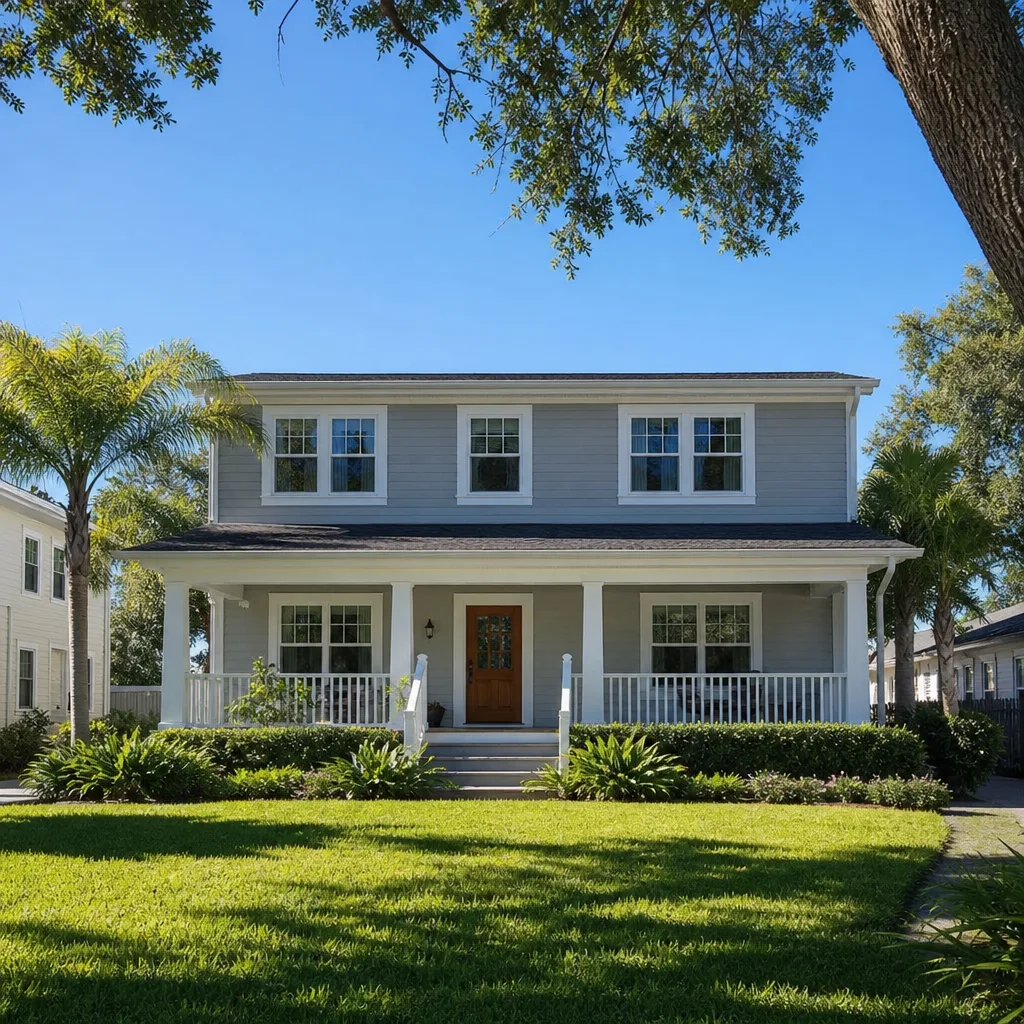
Here’s the Fort Worth reality, based on what we bid and build:
- Structural tie-in repair (foundation-to-addition): $8,000 – $25,000, depending on whether we’re sistering joists, adding shear wall, or doing a pier adjustment.
- Full roof-flashing and envelope rework on an existing addition: $4,500 – $15,000
- Panel or sheathing replacement on a failed wall section: $3,500 – $12,000 per wall, including the re-flash and re-seal.
- Complete home addition (new build): $45,000 – $130,000, based on square footage, foundation type, and finish level.
- Detached ADU: $90,000 – $220,000 for a permitted unit with kitchen, bath, and separate meter.
- Garage conversion to living space: $30,000 – $80,000, depending on whether the slab passes inspection and the existing framing is salvageable.
Every quote we write in Fort Worth includes the parts, the labor, the permit, and the written warranty. The number on your quote is the number on your invoice – there is no “we found X when we opened the wall” change order because we do the invasive inspection before we price, not after. That’s The Relay Standard, and it’s been how we run jobs since 2005.
DIY or Call Us?
If you want to investigate before spending money, here’s what’s safe for a homeowner to check: go into the attic above the addition and look for daylight at the roof-wall intersection. Examine the caulk joints from a ladder (never from the roof itself). Note where cracks are in the drywall and mark the ends with a pencil line and today’s date – if the crack passes the line in a few weeks, the movement is active, not settling.
What you shouldn’t do is open the wall, pull the flashings, sister joists, or re-engineer a panel connection. The tie-in between an addition and the main structure carries the load of the whole addition. Get the fastener schedule wrong and you’re not saving money – you’re financing a structural failure. Framing, shear, and waterproofing details are load-bearing work. If it fails, someone gets hurt.
Call (682) 841-6652 and we’ll come look at it, pull the panel stamp, and give you a written price before anything gets touched. The estimate is free and the inspection is thorough – Luca does his own walkthroughs because he’s seen too many remodels go sideways when the owner stops showing up.
FAQs
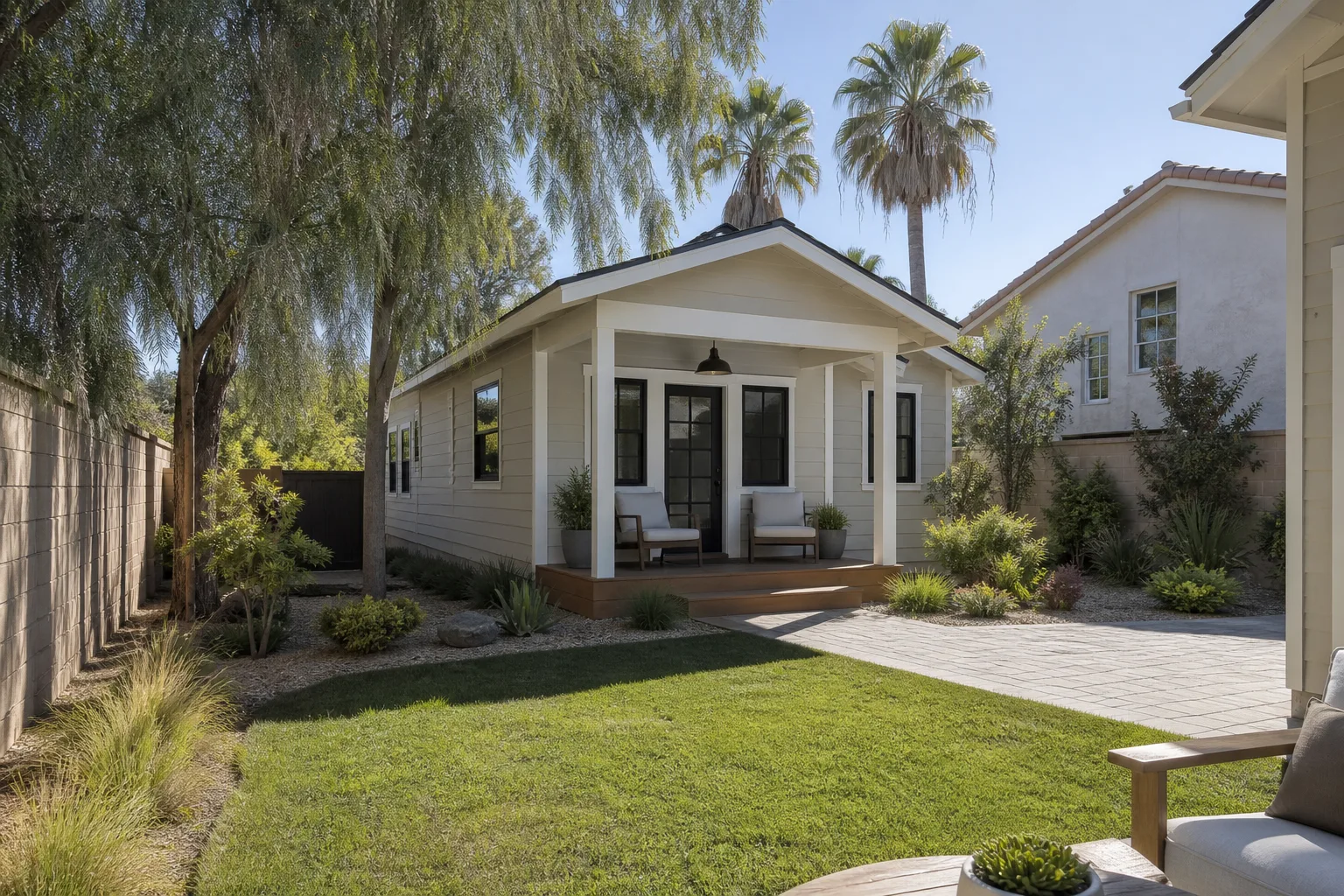
A properly installed IKO addition in Fort Worth should last 30 to 50 years structurally, but the weak point is the tie-in and flashing details, which typically fail in the 10-to-15-year range if they weren’t done to spec. Texas heat cycles and clay soil movement put constant stress on any connection between old foundation and new. Call (682) 841-6652 if your addition is showing cracks at the corners – we’ll tell you honestly if it’s cosmetic or structural. The estimate is free.
Yes, in most cases we can repair the failed section rather than rebuild the whole addition – typically for $8,000 to $25,000 for structural tie-in work, less for flashing and envelope repairs. The deciding factor is whether the original structure meets current code for shear and foundation. We’ll tell you straight if a repair will hold or if you’re throwing good money after bad. Call (682) 841-6652 and we’ll walk the property together.
A flashing or tie-in repair usually takes 3 to 7 working days once permits are issued; a full ADU build runs 4 to 9 months depending on scope and city inspection schedules. Permitting through the City of Fort Worth is the variable we can’t fully control, but we handle the paperwork and keep you posted at every step – live arrival times, photo updates before and after, and a digital invoice you can pay from a link. Call (682) 841-6652 and we’ll give you a realistic timeline for your specific job.
We stock the common fasteners, flashing, and framing connectors on our trucks, and we can order IKO-compatible panels or sheathing same-day from Fort Worth supply yards. We also keep KraftMaid, Cambria, and Silestone materials in our rotation for finish work on ADU kitchens and baths. If we need something specific to your panel series, we’ll have it within a day or two. Call (682) 841-6652 and we’ll check the stamp on your existing panels before we order anything.
Fort Worth homeowners deal with heat, clay, and builders who cut corners. We’d rather show you the problem than sell you one. The work talks. We just back it up.
Written by Luca Romano, Owner & Lead Remodeler, Sawyer Remodel Fort Worth at Sawyer Remodel Fort Worth, serving Fort Worth and nearby areas.


