Free written scope consultation - allowances, timeline, and change-order rules on paper before a single trade is scheduled
Styles & brands we work with







See the difference
 Before
 After
After Before
 After
After Before
 After
AfterHow Much Does ADU Construction Cost in Fort Worth?
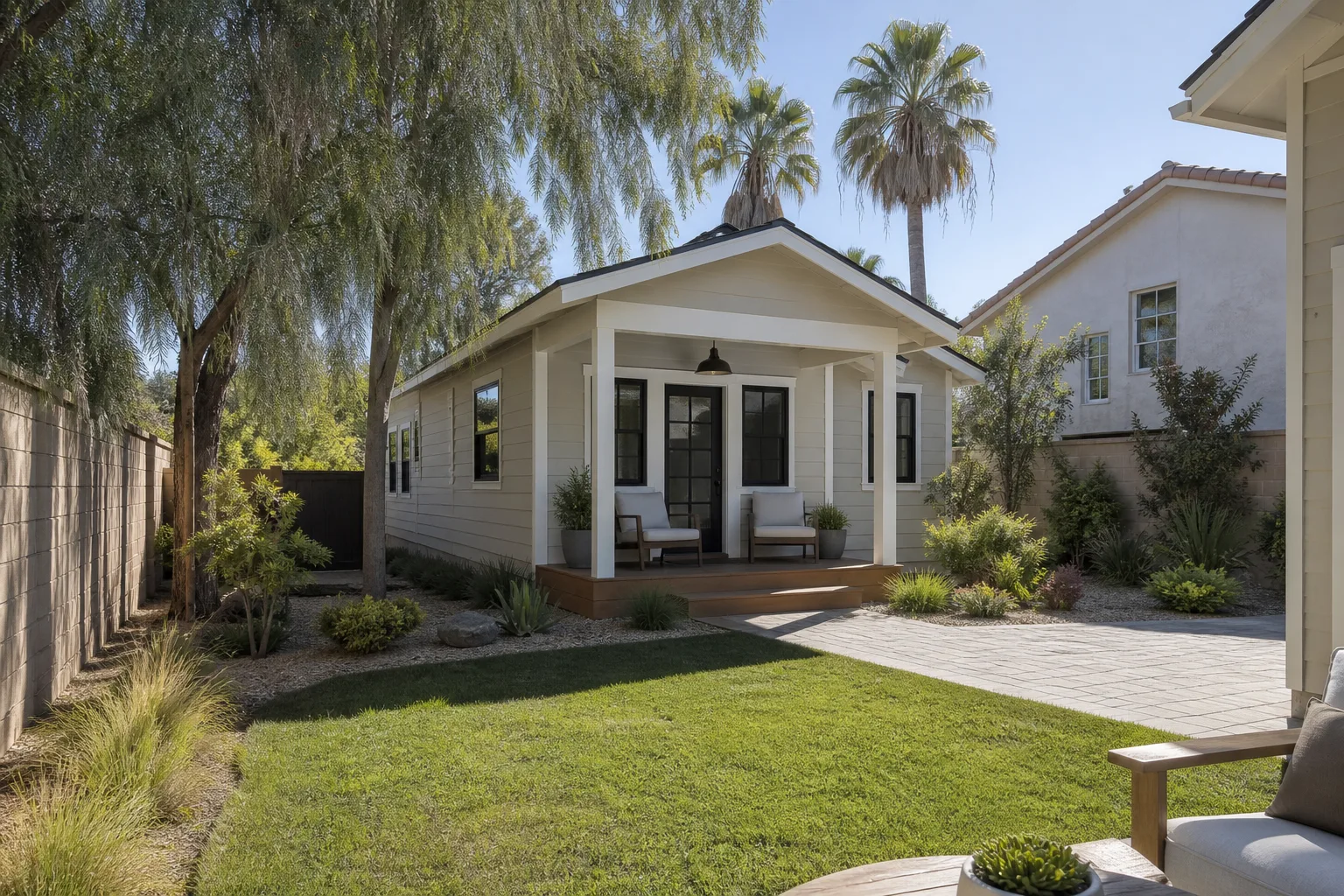
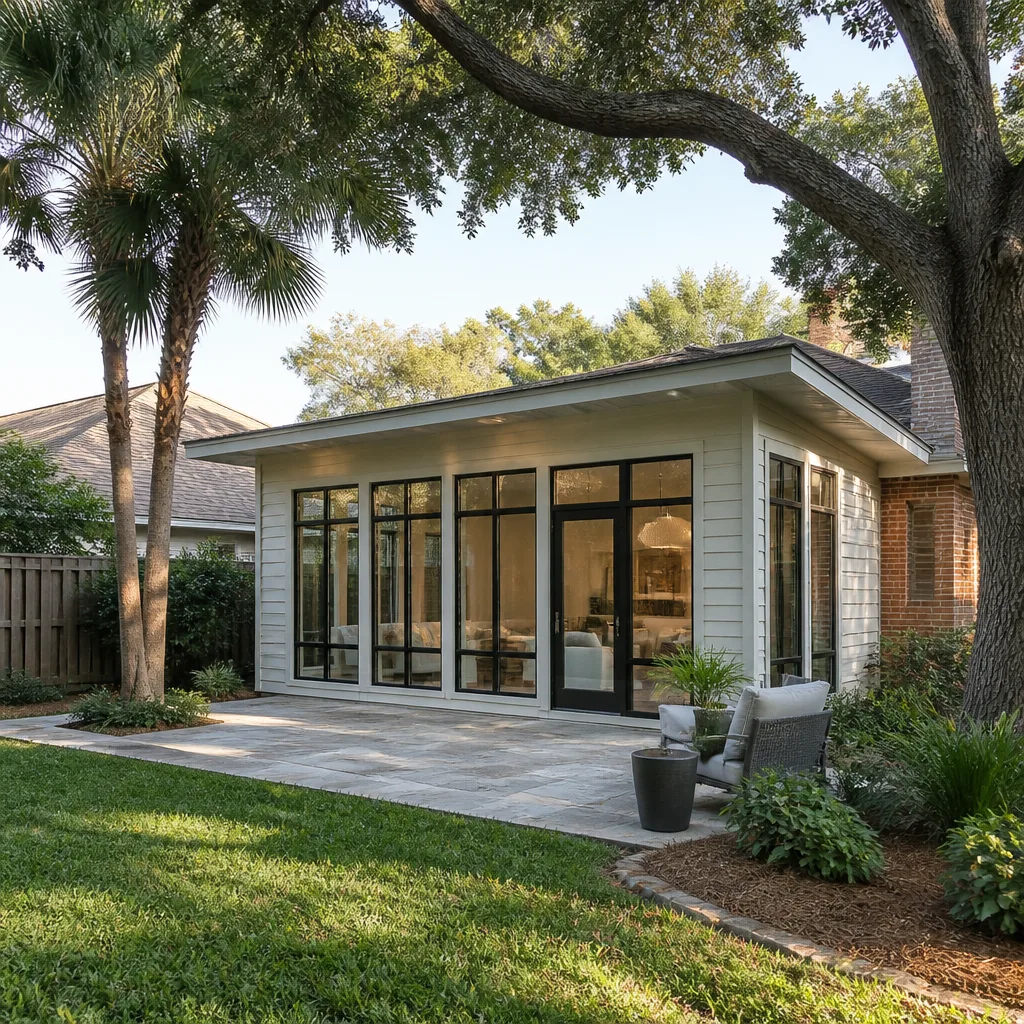
ADU construction in Fort Worth typically costs between $90,000 and $220,000 for a completed turnkey unit, with most homeowners landing somewhere in the $130,000 to $175,000 range for a standard 600 to 800 square foot detached ADU. The final number depends on whether you’re converting a garage, building a detached unit from the slab up, or attaching to your existing home, plus the finish level you choose. Budget roughly $150 to $275 per square foot in the current Fort Worth market.
Call (682) 841-6652 for a free, written estimate on your specific lot and scope. No surprises at the invoice.
Key Takeaways:
- Detached ADUs in Fort Worth run $150 to $275 per square foot, all-in with finishes, permits, and utility connections.
- Attached ADUs and garage conversions cost 20% to 35% less than detached builds because you’re reusing existing structure and utility stubs.
- Fort Worth’s zoning and setback rules (especially in older neighborhoods like Fairmount and Arlington Heights) can add $3,000 to $8,000 in design time and variance work before the ADU construction in Fort Worth even begins.
- Permits, utility tap fees, and impact fees in the city of Fort Worth typically run $8,000 to $20,000 and are almost never listed in that “cheap” online quote you see.
ADU Construction Cost Breakdown (2026)
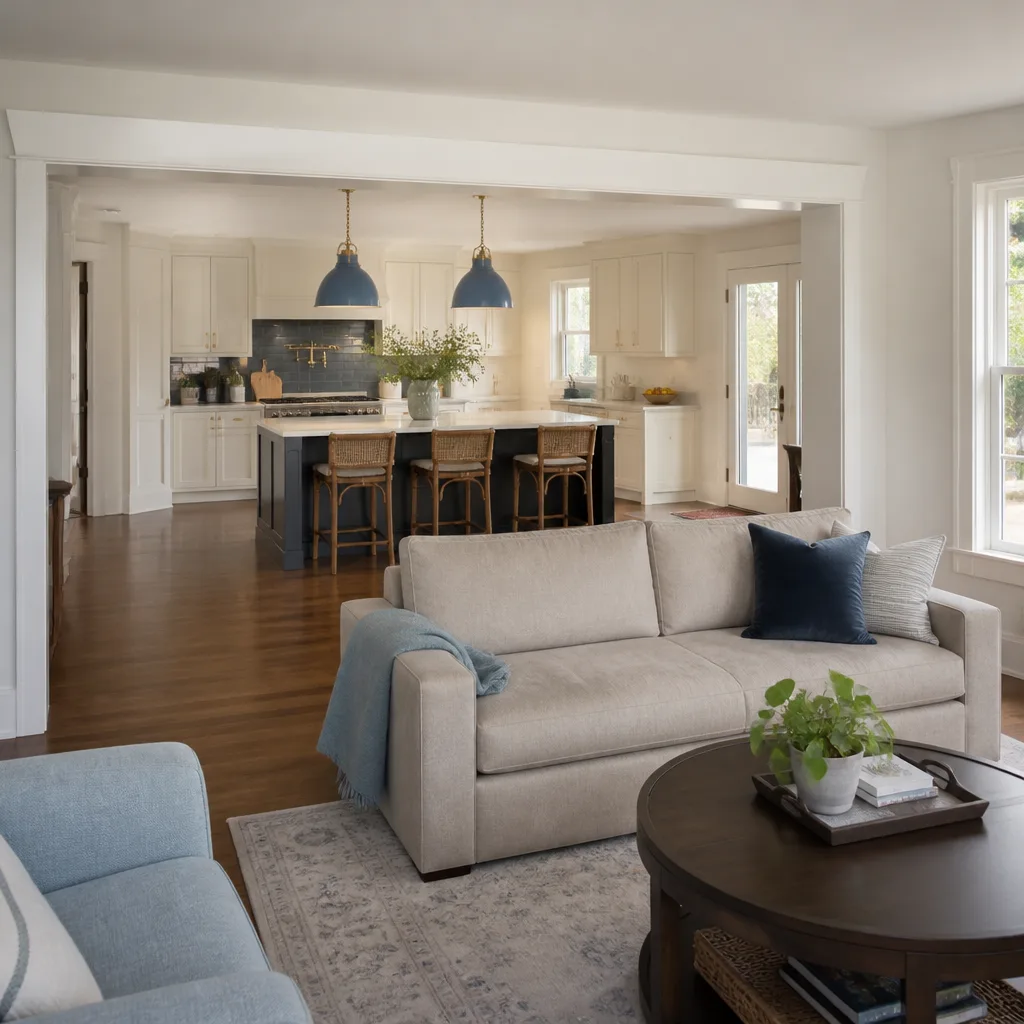
Here’s where the money goes on a typical detached ADU in Fort Worth. These are real, current market numbers based on what we see in bids and final invoices across Tarrant County in 2026.
Line-Item Cost Table for Fort Worth ADU Construction
| Line Item | Typical Range | Notes |
|---|---|---|
| Design & architectural drawings | $4,000 – $10,000 | Required for city permit approval. Expect more if you need variances. |
| City permits & impact fees | $8,000 – $20,000 | Includes building permit, plan check, water/sewer tap fees, and Fort Worth development fees. |
| Site prep & foundation | $10,000 – $25,000 | Slab-on-grade is standard. Pier-and-beam runs higher, common in older lots. |
| Framing & structural | $20,000 – $40,000 | Includes roof structure, sheathing, and rough openings. |
| Roofing | $6,000 – $14,000 | Architectural shingles (GAF or CertainTeed) are standard; metal adds $8,000 – $15,000 more. |
| Plumbing (rough-in & finish) | $10,000 – $20,000 | Full bath and kitchenette. Trenching for new sewer/water lines adds cost. |
| Electrical (rough-in & finish) | $7,000 – $14,000 | Includes new sub-panel, wiring, outlets, and LED fixtures. |
| HVAC (mini-split or ducted) | $5,000 – $12,000 | Ductless mini-split is the standard choice for most ADUs. |
| Insulation & drywall | $6,000 – $12,000 | Closed-cell foam insulation runs higher; batt insulation is entry point. |
| Kitchenette | $8,000 – $20,000 | Includes cabinets, countertop, sink, and basic appliances. |
| Bathroom | $8,000 – $18,000 | Walk-in shower, vanity, toilet, and fixtures. Kohler or Moen finishes included at mid-tier. |
| Flooring | $3,000 – $7,000 | LVP or engineered hardwood throughout a 600 – 800 SF unit. |
| Interior finishes & trim | $4,000 – $10,000 | Doors, baseboards, paint, hardware. |
| Exterior finishes | $6,000 – $15,000 | James Hardie siding, stucco, or brick veneer to match main house. |
| General contractor overhead & margin | $12,000 – $30,000 | Covers project management, scheduling, cleanup, and warranty liability. |
What Drives the Price Up or Down
The table above covers a typical 600 to 800 square foot detached unit. Here’s what pushes your number toward the top or bottom of the $90,000 to $220,000 range:
- Detached vs. attached. A detached ADU needs its own foundation, utility trenching, and four exterior walls. An attached ADU or garage conversion (typically $30,000 – $80,000 in Fort Worth) reuses structure and utility stubs, which is why it lands so much lower.
- Square footage above 800. Every additional 100 square feet adds roughly $15,000 to $27,000 once you factor in framing, finishes, and mechanical.
- Utility distance from the street or main house. If your ADU sits 80 feet from the main home or the sewer line is on the other side of the property, trenching and line runs add $3,000 to $8,000 quickly.
- Finish level. Builder-grade cabinets and laminate counters keep kitchen costs near $8,000. KraftMaid cabinets, Cambria quartz, and Kohler fixtures push that same kitchen to $20,000 or more.
- Slab condition and soil. Fort Worth’s expansive clay soil means more steel and thicker slabs in some areas. If your foundation engineer specs a post-tension slab or pier-and-beam upgrade, add $4,000 to $10,000.
What Affects ADU Construction Pricing in Fort Worth
Fort Worth isn’t Dallas and it isn’t Arlington. The city has its own zoning overlay, its own permit queue, and its own water (Fort Worth Water Department) and sewer (Fort Worth’s municipal system) connection requirements. Those local rules move the number.
- Zoning district and minimum lot size. Not every lot in Fort Worth allows a detached ADU by right. Neighborhoods like Ryan Place, Fairmount, and Mistletoe Heights often require a variance or a special exception, which means more design and review time before your permit lands.
- Setback and lot coverage rules. Fort Worth’s residential setback requirements can be tighter than you’d expect on narrow lots in older neighborhoods. A 50-foot-wide lot in Arlington Heights may dictate a narrower footprint, which changes the design and can increase the per-square-foot cost since you still need a full kitchen and bath stacked efficiently.
- Utility tap fees and impact fees. The city charges capacity and impact fees for new water and sewer connections. On a detached unit, budget $8,000 to $20,000 for the full permit and tap fee package. This is the line item most online “cost calculators” conveniently skip.
- Access to the build site. A rear-yard ADU with a 6-foot side gate is a different job than one with 12 feet of clear access. Tight access means smaller equipment, more hand-carry labor, and a day or two of added schedule, which adds money.
- Tree protection and existing site conditions. Mature post oaks in a backyard aren’t just a shade benefit; they’re a protected feature in many Fort Worth cases. Working around them can add $1,000 to $4,000 in time, fencing, and root protection.
- Material and trade availability. Roofing, drywall, and concrete crews in Tarrant County stay busy. Scheduling a reliable crew for a small ADU build competes with larger jobs, and that reality shows up in the number. Working with a contractor who already has crews on named-brand supply chains (GAF, James Hardie, Kohler) avoids the “mystery supplier” low bid that turns into a surprise invoice.
How to Save on ADU Construction in Fort Worth
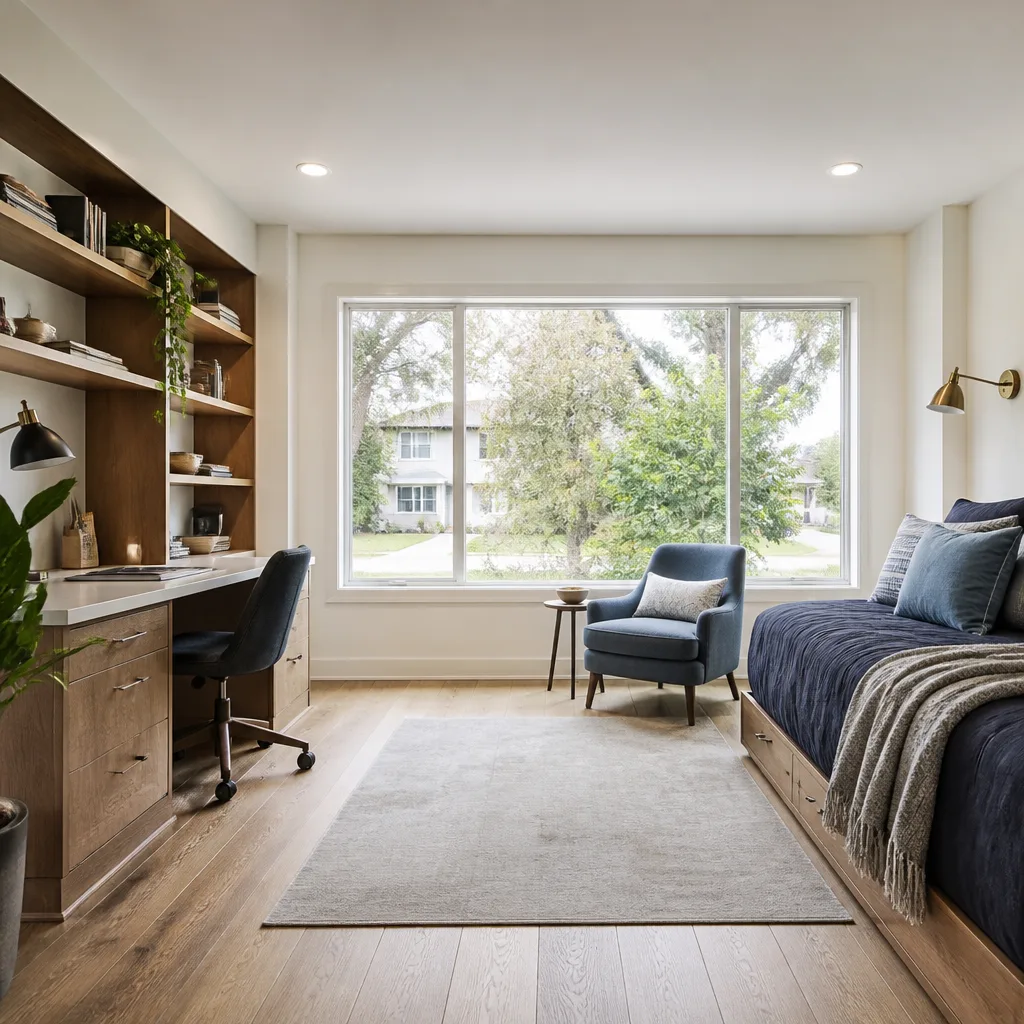
Nobody should overspend just because they didn’t know a cheaper structural path existed. Here are the levers that actually move the number without cutting corners on things you’ll regret.
- Convert the garage first. If you have an attached or detached garage that’s structurally sound, a garage conversion runs $30,000 – $80,000 in Fort Worth. That’s less than half of most detached builds because the roof, slab, and half the walls already exist.
- Keep the footprint under 750 square feet. Fort Worth’s development standards and fee calculations often step up at certain square footage thresholds. Staying under 750 SF keeps structural engineering simpler and utility loads smaller, which means less money in concrete, steel, and mechanical.
- Choose a slab-on-grade foundation. Pier-and-beam is sometimes necessary on older lots, but if your site allows a standard slab, it’s the less expensive option by $5,000 to $12,000.
- Go with a ductless mini-split for HVAC. A mini-split handles heating and cooling in one unit without running ductwork. It’s $5,000 to $12,000 versus $10,000 to $20,000 or more for a ducted system with air handler and duct runs.
- Standardize the kitchen and bath. Custom cabinetry and imported tile look great. They also add $10,000 to $20,000 to the finished cost. Semi-custom KraftMaid or stock cabinets with Cambria or Silestone counters still get you a premium look without the premium labor tag.
- Get a written price before you agree. The single biggest cost overrun in ADU construction comes from a bid that didn’t include permits, tap fees, or site work, then “discovers” them mid-build. At Sawyer Remodel Fort Worth, the written price lands before a single tool is picked up. The number on the invoice is the number you approved. Call (682) 841-6652 and we’ll walk your lot and give you a real number, not a calculator estimate.
Why Fort Worth ADUs Cost What They Do
There’s a reason an ADU in Fort Worth doesn’t cost the same as one in Minneapolis or Phoenix. It comes down to dirt, weather, and city process.
The expansive clay soil across much of Tarrant County moves with moisture. That means foundation work in Fort Worth has to account for soil swell, which can mean deeper footings, more steel reinforcement, and a slab engineered for movement. It’s not optional work; it’s what keeps your ADU from cracking in its first dry summer.
Then there’s the heat. Fort Worth’s July and August temperatures mean an underpowered mini-split is a tenant complaint waiting to happen. Properly sized HVAC for a 600 to 800 square foot unit in this climate lands in the $5,000 to $12,000 range, and skimping there just moves the cost from construction-time to repair-time.
And the city permit process matters more than most people expect. Plan review times, inspection scheduling, and the documentation required for a legal ADU in Fort Worth add $4,000 to $10,000 in hard costs and four to ten weeks in schedule compared with an unpermitted structure. We build permitted work only, because an unpermitted unit is a problem when you try to sell your home.
ADU Construction: What You’re Actually Buying
When you contract an ADU for $150,000, you’re not just buying lumber, drywall, and a roof. You’re buying a small house. Every system has to work independently: its own electric panel, its own water heater, its own heating and cooling, its own sewer connection. There’s no shared wall to borrow a circuit from.
That’s the real reason ADUs run $150 to $275 per square foot while a large room addition might run $150 to $250 per square foot. The efficiency of scale doesn’t apply the same way. A 2,000 square foot home addition spreads one electrical service, one HVAC system, and one water heater across a lot more square footage. An ADU packs all of those systems into a tighter box, which means the per-foot number goes up even though the total is lower.
That’s also why the material brands you pick matter. A Moen faucet has a lifetime limited warranty and a manufacturer that stands behind it. A no-name faucet from a big-box clearance aisle doesn’t. When you’re building a structure that should last 50 years, the $150 difference between a Kohler toilet and an off-brand toilet is the cheapest insurance you’ll ever buy.
Our material partnerships across the full remodel scope mean you choose from proven brands, not mystery suppliers: Cambria, Silestone, and Caesarstone for countertops; Kohler, Moen, and Grohe for fixtures; GAF, CertainTeed, and Owens Corning for roofing; James Hardie for siding.
Permits and the Fort Worth Process
Every legal ADU in Fort Worth needs a building permit, and almost all need plan review. The city’s Development Services department reviews your drawings, checks zoning compliance, and issues approvals before construction starts. You can’t skip this step if you want a unit that appraises, insures, or rents legally.
The process generally looks like this:
- Site assessment and feasibility check. Confirm your lot’s zoning allows an ADU (or what variance you need), check setbacks, and review utility access.
- Design and drawings. A draftsman or architect produces permit-ready plans. This is the $4,000 to $10,000 line item.
- Plan submittal and review. Fort Worth’s review queue varies by season and workload. Budget four to eight weeks for first-pass comments.
- Permit issuance and fee payment. Once approved, you pay the building permit fee, utility tap fees, and any development or impact fees.
- Construction with inspections. Foundation, framing, rough-in (plumbing, electrical, mechanical), insulation, and final inspections each have to pass before work continues.
- Certificate of occupancy. The city issues a CO once final inspections pass. This is what makes the unit legal to rent or use as a dwelling.
Sawyer Remodel Fort Worth manages the permit process end to end. You don’t chase the city, and you don’t guess at which inspection comes next. The schedule, the drawings, and the fee schedule are all in writing before we break ground.
FAQs – ADU Construction Cost in Fort Worth
How much does a 600 sq ft ADU cost in Fort Worth?
A 600 square foot detached ADU in Fort Worth typically costs $90,000 to $135,000, depending on finishes and site conditions. That includes permits, foundation, all mechanical systems, and a modest kitchen and bathroom. Call (682) 841-6652 for a written estimate on your specific lot.
Is it cheaper to convert a garage to an ADU or build a new one?
Converting a garage to an ADU is significantly cheaper: $30,000 to $80,000 versus $90,000 to $220,000 for a detached new build in Fort Worth. The existing slab, roof, and walls save roughly 40% to 60% of the cost. The tradeoff is a smaller footprint and the loss of covered parking.
How much does an attached ADU cost vs. a detached ADU in Fort Worth?
An attached ADU (built as an addition to the main house) runs about 20% to 35% less than a detached unit, which puts most attached ADUs in the $60,000 to $180,000 range, depending on square footage and finish level. You share one or more exterior walls, the roofline ties in cleaner, and utility runs are shorter.
How long does ADU construction take in Fort Worth?
A standard detached ADU in Fort Worth takes 4 to 8 months from design to occupancy, including city plan review and permits. A garage conversion typically runs 2 to 5 months. Weather, permit queue, and material lead times are the biggest schedule movers.
Does an ADU add value to a Fort Worth home?
An ADU in Fort Worth typically adds $80,000 to $200,000 in appraised value and rental income potential, depending on the neighborhood and unit quality. In hot rental markets near TCU, the hospital district, and Downtown Fort Worth, a well-built 1-bedroom ADU routinely rents for $1,200 to $1,800 per month.
Is DIY ADU construction cheaper in Fort Worth?
You might save $20,000 to $40,000 doing parts of the work yourself, but you’ll still need licensed trades for plumbing, electrical, and HVAC per city code, and owner-builder permits carry liability and timeline risk that usually erases the savings. If you go this route, understand Fort Worth’s insurance and inspection requirements before picking up a hammer.
Plan Your ADU With a Fort Worth Contractor Who Puts the Number in Writing
Luca Romano and the Sawyer Remodel Fort Worth team have been running projects under The Relay Standard since 2005. That’s what governs how we work on every job: a live arrival time, photo updates before and after, a written price before a single tool is picked up, a digital invoice you pay from a link, and a 365-Day Done Right Promise on the entire project.
No low bid that balloons at the invoice. No four-hour window you waste a Saturday on. No ghosting between the deposit and the final walkthrough. Just a real number for your ADU, in writing, before we start.
Call (682) 841-6652 now for a free, no-hassle site walk and written estimate on your Fort Worth ADU. If it’s not done right, we make it right. For a full year.
Pricing reflects the Fort Worth market as of 2026. Sawyer Remodel Fort Worth offers free estimates, call (682) 841-6652.
Written by Luca Romano, Owner at Sawyer Remodel Fort Worth, serving Fort Worth since 2005.
What Our Customers Say
"Crew cleaned up each day. Swept and wiped down the work area every evening, which I did not expect."
- Joy B."Home renovation with a new layout. Permits and inspections were all tracked online."
- Nolan R."Good renovation. The countertop slipped a week, but I got a text and a new date right away."
- Dina M.