
Free written scope consultation - allowances, timeline, and change-order rules on paper before a single trade is scheduled
Why Fort Worth Homeowners Choose Abodu Construction
If you own an Abodu prefab home or ADU in Fort Worth and something’s leaking, cracking, or out of square, we fix it. Sawyer Remodel Fort Worth is an independent Abodu service in Fort Worth – not a dealer, not a rep, not authorized by the manufacturer – and our crews have worked on Abodu Studio 340, One 500, Two 750, and Loft 1000 units across Tarrant County. We know how Abodu’s panelized walls, steel-stud framing, and factory flash details actually behave after three Fort Worth summers and a couple of hailstorms. Call (682) 841-6652 for a free estimate on Abodu construction repair or interior work.
What makes our Abodu work different is simple: we treat a prefab unit like a house, not a kit. That means we account for the clay soil under the slab, the west-facing sun on the cladding, and the way factory seams open up when humidity swings from 90 percent in May to dry in August. Abodu builds a good product. Fort Worth tests it hard. We close the gap between what the factory shipped and what this climate demands.
Why Trust Sawyer Remodel Fort Worth for Your Abodu Construction?
Luca Romano started Sawyer around one rule: do the job the way you’d want it done in your own house. He grew up in Los Angeles, learned the trade hands-on at Los Angeles Trade-Technical College, and has spent two decades working everything from tract homes to custom builds. He and his crew have been working Fort Worth for years – you’ll find their tile work and framed additions near the Cultural District and throughout the surrounding neighborhoods, including Keller Abodu service areas. Luca still does walkthroughs himself because he’s seen too many remodels go sideways when the owner stops showing up.
For Abodu work specifically, our technicians get trained on the panelized construction system before they ever touch a unit. That matters because Abodu isn’t stick-built – it’s a steel-stud chassis with wood-framed exterior wall panels, a pre-finished interior, and factory-applied cladding. If you treat it like a standard frame house, you’ll miss the seam failures, the chassis line-set rubs, and the panel-settlement issues that Abodu owners actually call about. We don’t miss them. We’ve fixed enough of them across Fort Worth that we can usually diagnose the problem over the phone, then confirm it on site in under an hour.
Every Abodu job runs under The Relay Visibility Guarantee: a written price before work starts, live arrival time tracking, and before-and-after photo updates. No exceptions. We also back every repair with our 365-Day Done Right Promise – if it’s not done right, we make it right, in writing, for a full year. The work talks. We just back it up.
One more thing: we’re independent. We don’t get paid by Abodu, we don’t take direction from Abodu, and we’re not obligated to use Abodu’s parts list. That means we can tell you the truth – including when an aftermarket part will outlast the factory one in Fort Worth’s hard water and heat.
Styles & brands we work with







Common Abodu Construction Problems We Fix in Fort Worth
- Panel-joint hairline seams on Abodu Studio 340 and One 500 units. Fort Worth swings from humid springs to 100°F summers, and the wood-framed exterior wall panels shrink and swell with that cycle. Hairline gaps open at the panel joints, and once they do, dust and humidity get into the wall cavity. Over time the gap widens and the interior paint starts flaking around the seam. We re-tape these joints with a butyl-backed membrane, then re-texture and paint to match the factory finish. This is the single most common Abodu issue we see in Fort Worth – if you own one, check your panel joints every spring.
- Buckled exterior cladding on west-facing elevations. Factory-applied cladding on Abodu units can buckle after sustained sun exposure, especially around window trim where the expansion gaps were set too tight at the factory. Fort Worth afternoons in July and August are brutal on a west wall. If the cladding is buckling but hasn’t cracked, we can often release the seam, re-secure, and re-seal. If it’s cracked through, we replace the panel. The fix is usually localized – you rarely need to re-side the whole building.
- Mini-split line-set rubs causing refrigerant leaks or vibration. We see this on Abodu Two 750 and Loft 1000 units where the mini-split line sets run through the steel chassis. High winds during transport or after installation can shift the copper lines, and once they rub against the steel frame, you get a pinhole refrigerant leak or a loud vibration at the condenser whenever the outdoor unit runs. The fix is to re-route the line set with proper grommets and vibration isolators, then recharge the system. If you’re hearing a buzz only when the condenser is on, call before the leak gets worse.
- Pre-hung interior doors going out of square. Abodu’s pre-hung doors are installed at the factory, but the floor cassette settles differently on Fort Worth’s clay soil than it would on stable ground elsewhere. In areas with pier-and-beam foundations or slab-on-grade with expansive clay, the floor shifts, and doors start binding at the latch or dragging at the top corner. We re-square the door to the opening, adjust the hinges, and realign the strike plate. If the floor has settled significantly, we’ll tell you the truth about whether the door is the problem or a symptom of a bigger one.
- Roof-to-panel transition leaks on all Abodu models. The factory-flash detail where the roof meets the prefab wall panel doesn’t always match a site-built roof slope. After a Fort Worth hailstorm, water finds its way in at that transition. Last July we got a call from a homeowner near TCU whose Abodu Studio 340 had a wet spot spreading across the bedroom ceiling. Our tech found two cracked composition shingles on the main roof and a failed seal at the roof’s transition to the ADU’s prefab wall panel – common on Abodu units. We replaced the shingles, re-flashed the transition with wider step flashing, and re-taped the panel seam with a butyl-backed membrane. The ceiling dried out, and we matched the interior paint so the patch disappeared.
Abodu Parts & Our Repair-vs-Replace Approach
Here’s how we handle parts on Abodu work, and it’s different from what you’ll get from most contractors. For structural framing, windows, and exterior cladding, we use OEM-equivalent components sourced to Abodu’s specs. The panel dimensions, the steel gauge, the window rough openings – those need to match what the factory built, and Abodu’s engineering tolerances are tight. We don’t guess at structural parts.
For interior finishes and hardware, we often go the other direction. We substitute higher-grade aftermarket parts when they’ll last longer in Fort Worth’s hard water and heat. Stainless cabinet hinges instead of the factory zinc ones. Solid brass plumbing valves instead of the plastic internals. These aren’t brand-loyalty decisions – they’re survival decisions in this climate. A brass valve lasts twenty years in Fort Worth water. The cheap stuff fails in five.
Repair versus replace: we repair whenever a panel or seam can be re-sealed and re-secured. If termite damage or hail has actually compromised a wall panel – not just the cladding, but the structural wood behind it – full panel replacement is cheaper long-term than repeated patching. We’ll show you the damage and walk you through the numbers before you decide. Call (682) 841-6652 and we’ll give you a straight answer.
Our Abodu Service Process – Step by Step
- 1
Diagnosis. We start with the symptom and trace it back to the panel, seam, or system. On Abodu units, that means checking the panel joints first, then the roof-to-wall transitions, then the mechanical runs. We photograph everything so you can see what we see, even if you’re not home.
- 2
Written price. Before any tool gets picked up, you get a written line-item price. The number you approve is the number on the invoice. No change orders, no “we found something else once we opened it up” surprises – unless you approve the change in writing first.
- 3
Repair or install. We schedule the work around your life, not the other way around. The crew shows up in uniform, background-checked, with a live arrival time you can track. On Abodu jobs, we protect the finished interior surfaces before we start cutting or demoing.
- 4
Function test. Every repair gets tested before we call it done. A re-sealed panel gets a water test. A re-squared door gets opened and closed fifty times. A mini-split line-set repair gets a pressure test and a vibration check with the condenser running.
- 5
Warranty and documentation. The 365-Day Done Right Promise is in writing on every Abodu job. If anything we touched fails within a year, we come back and make it right – no argument, no re-quote. You also get before-and-after photos and a digital invoice you can pay from a link.
Abodu Products We Service & Install in Fort Worth
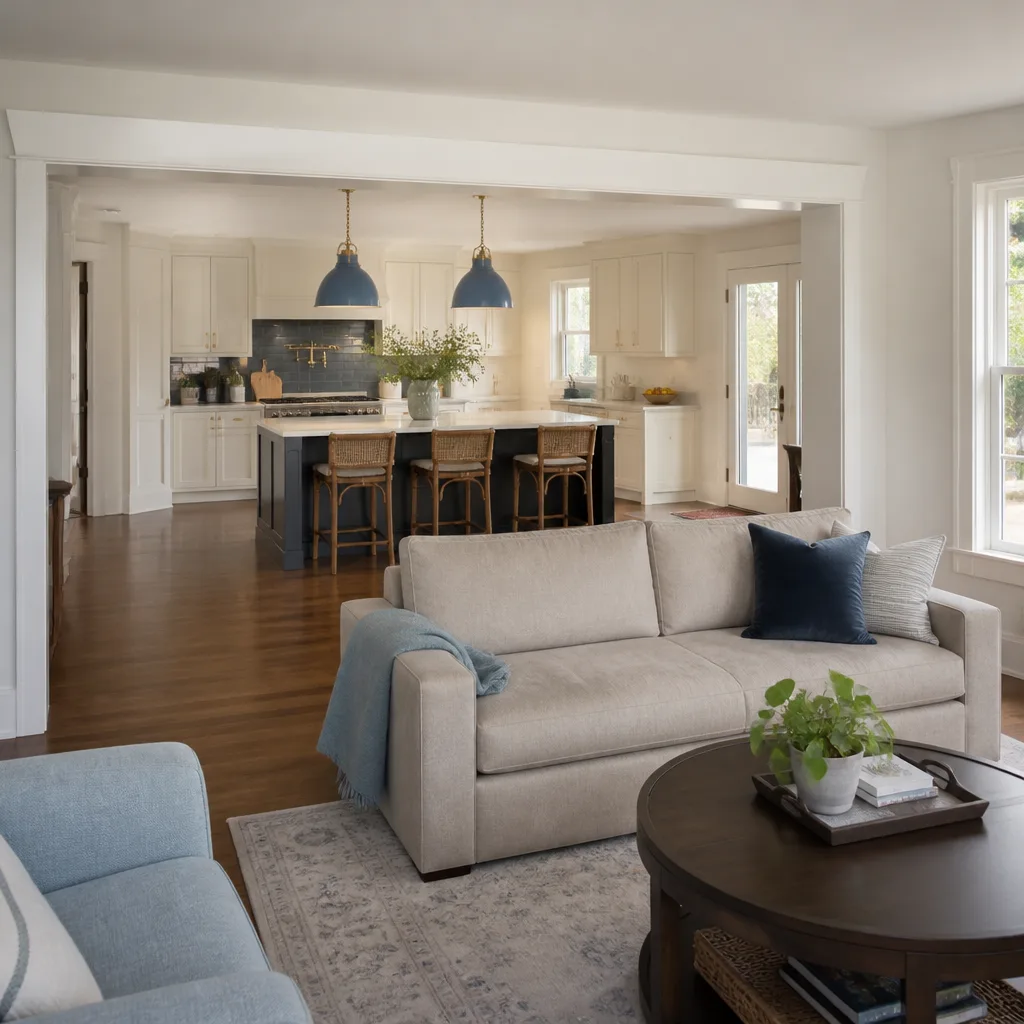
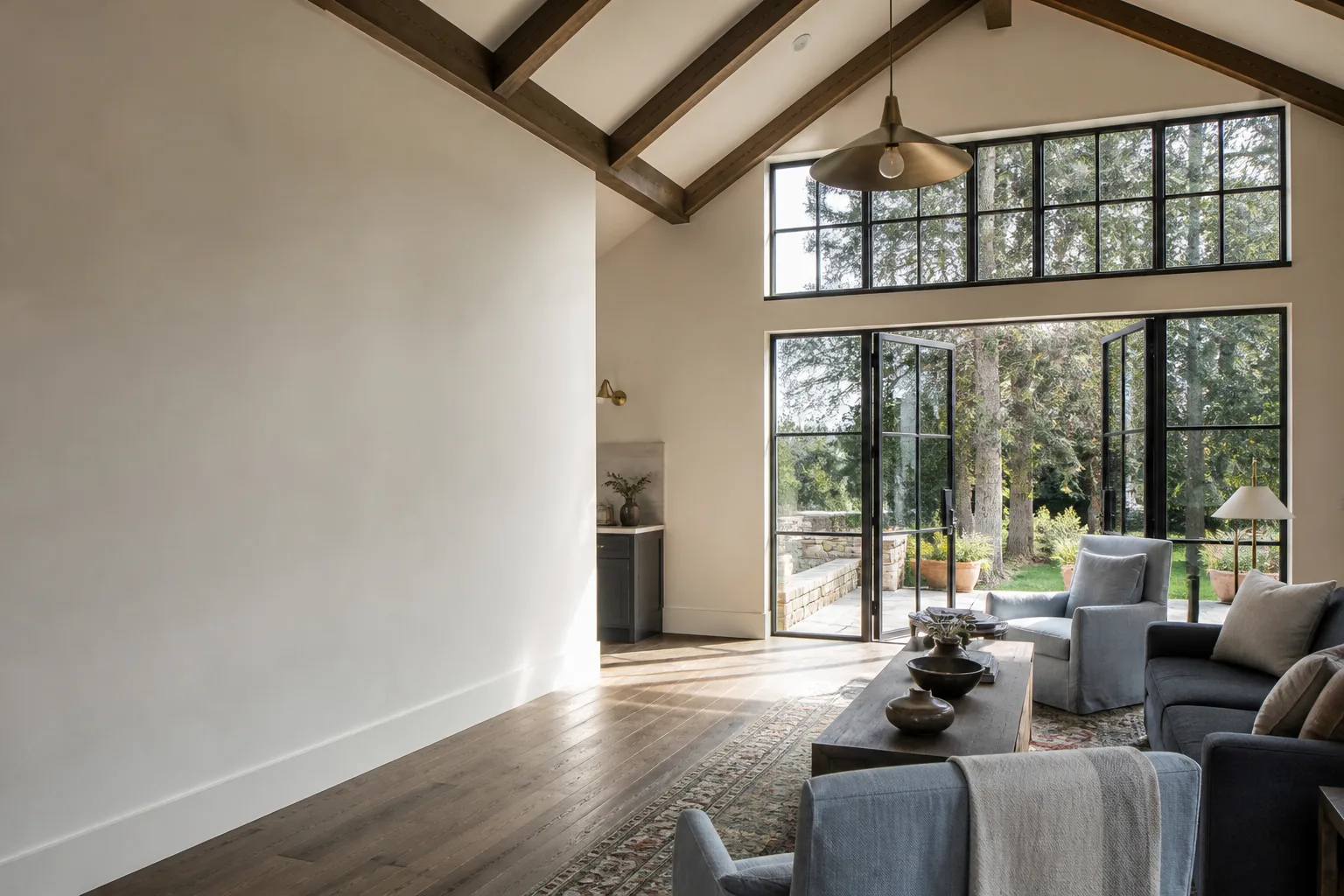
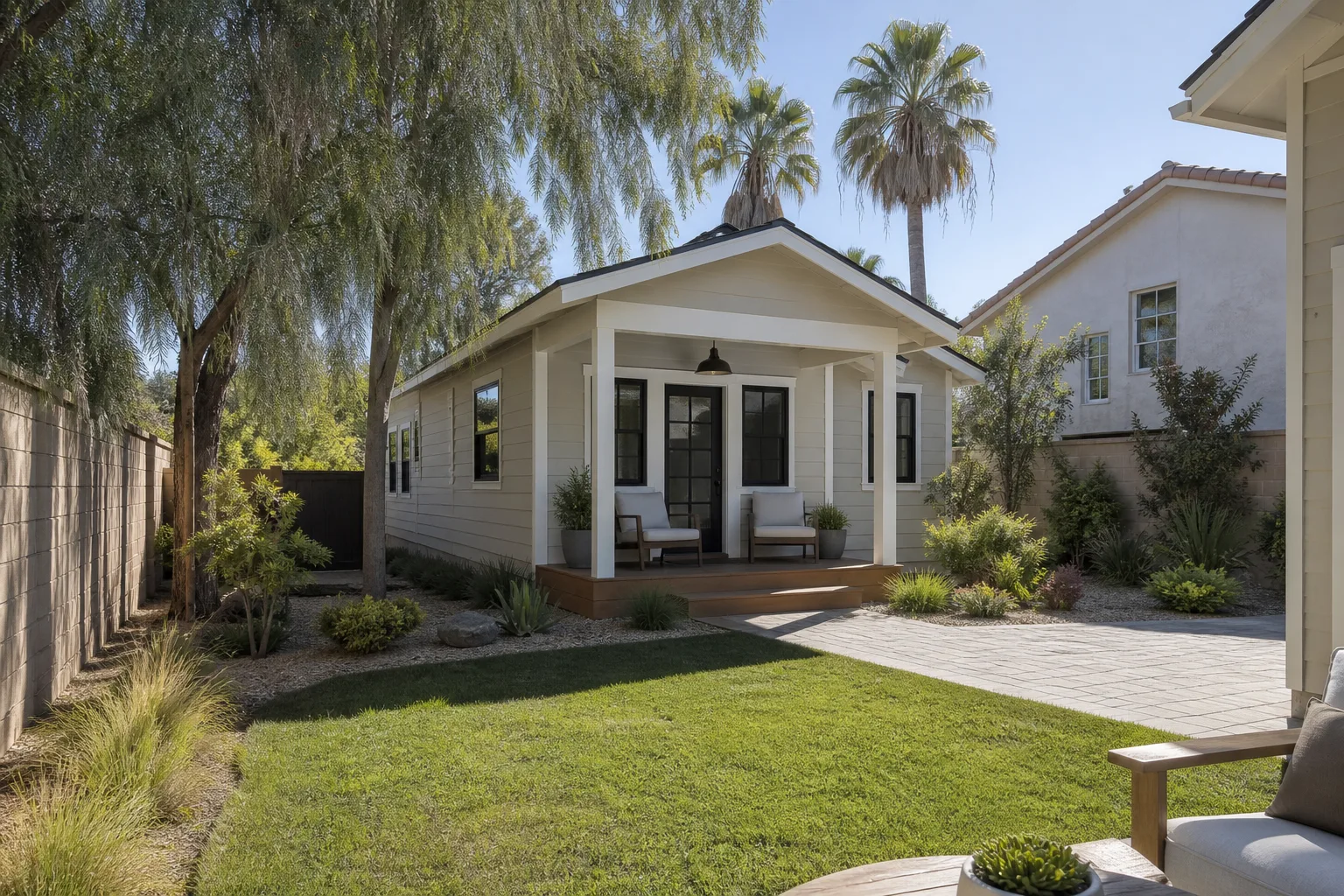
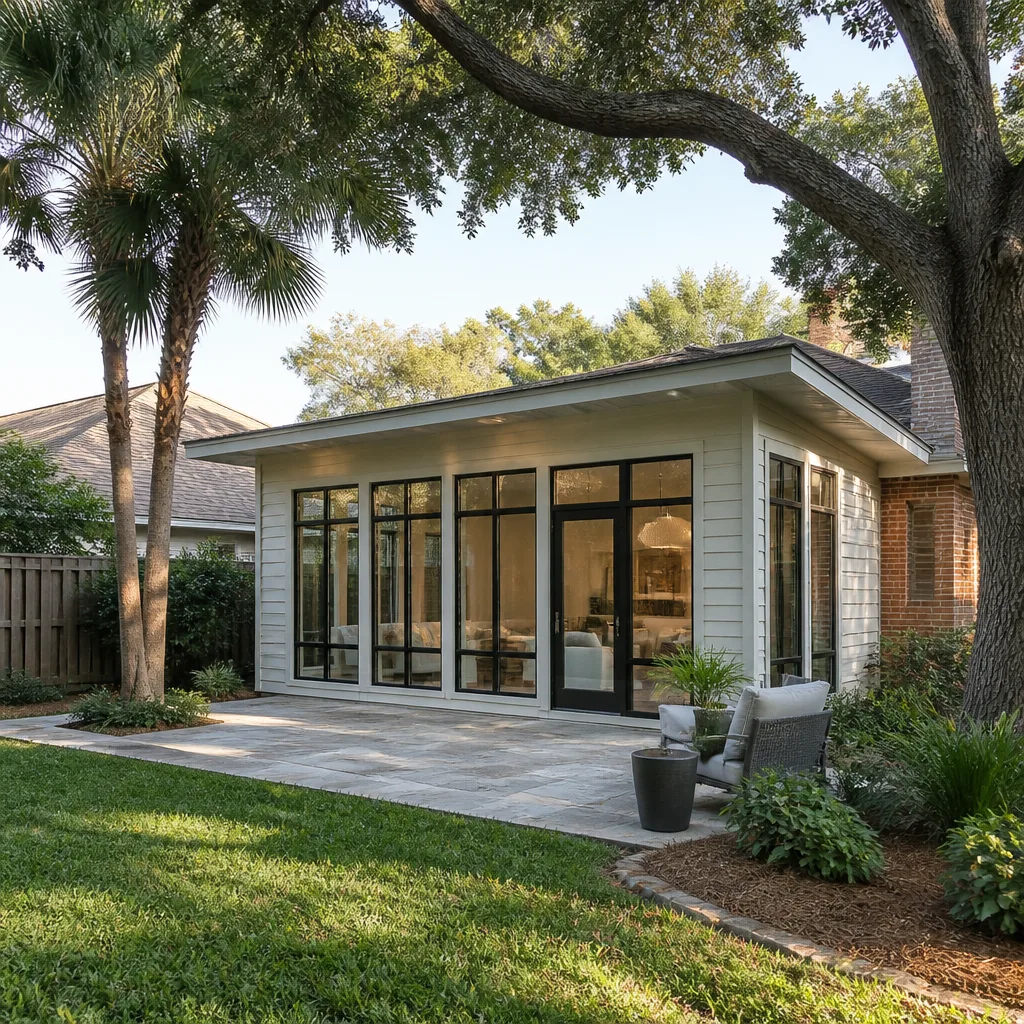
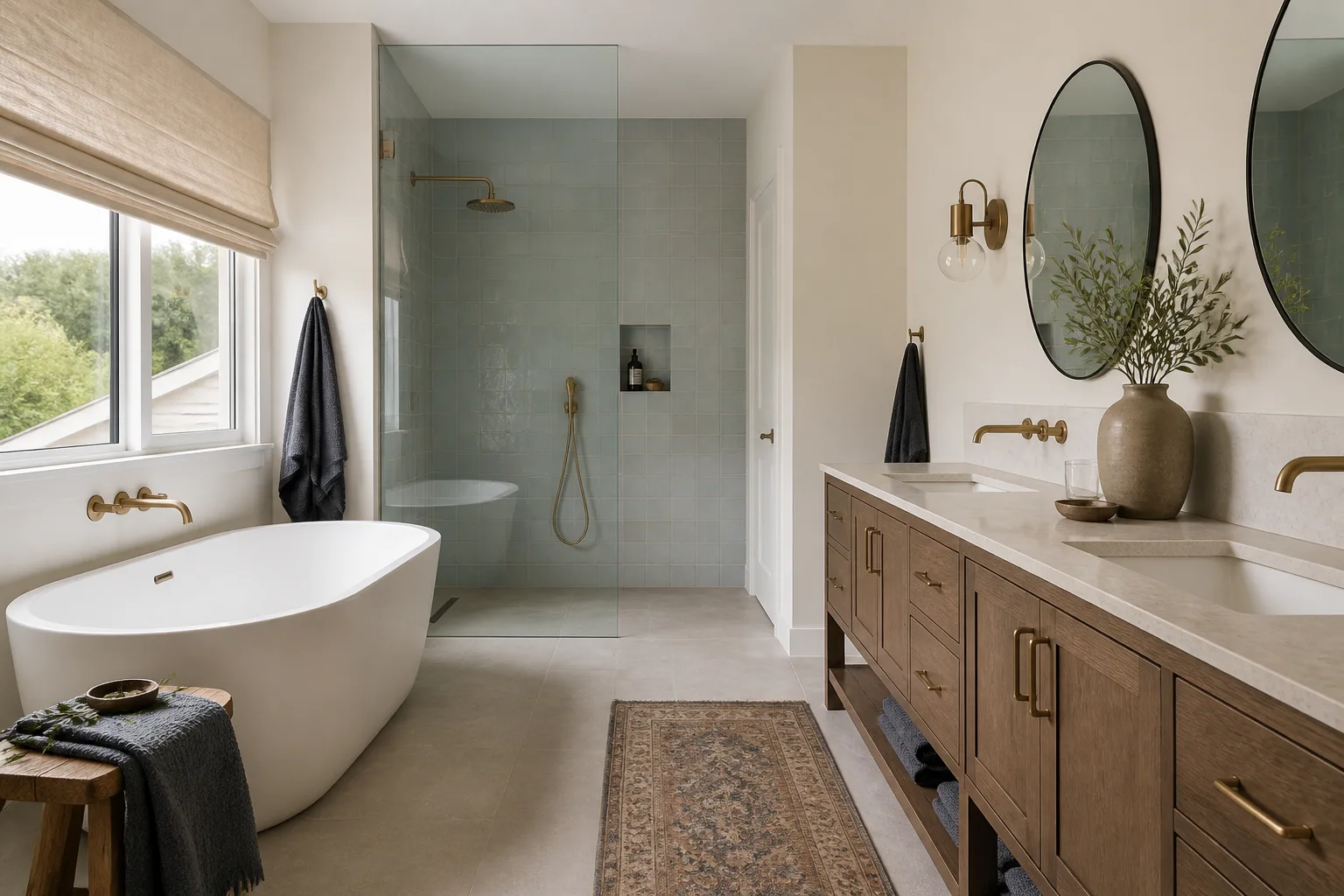
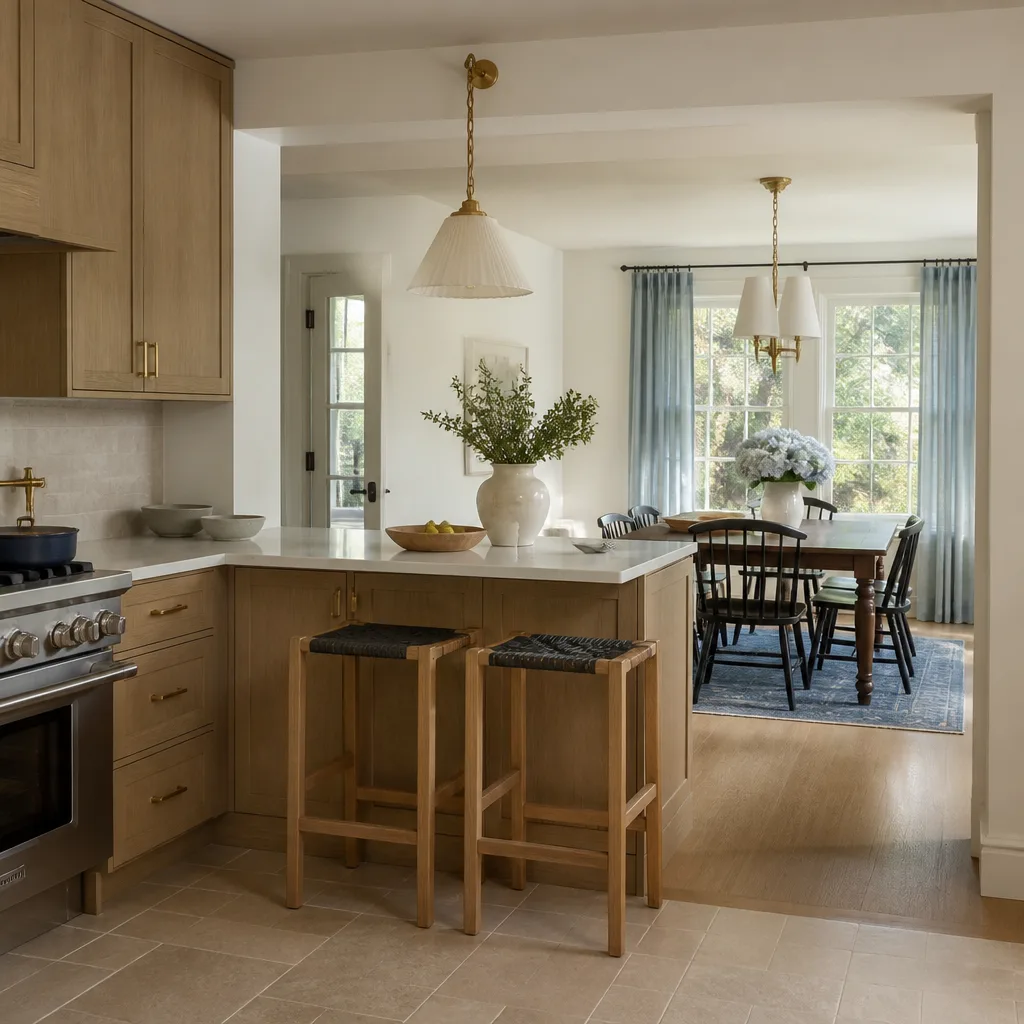
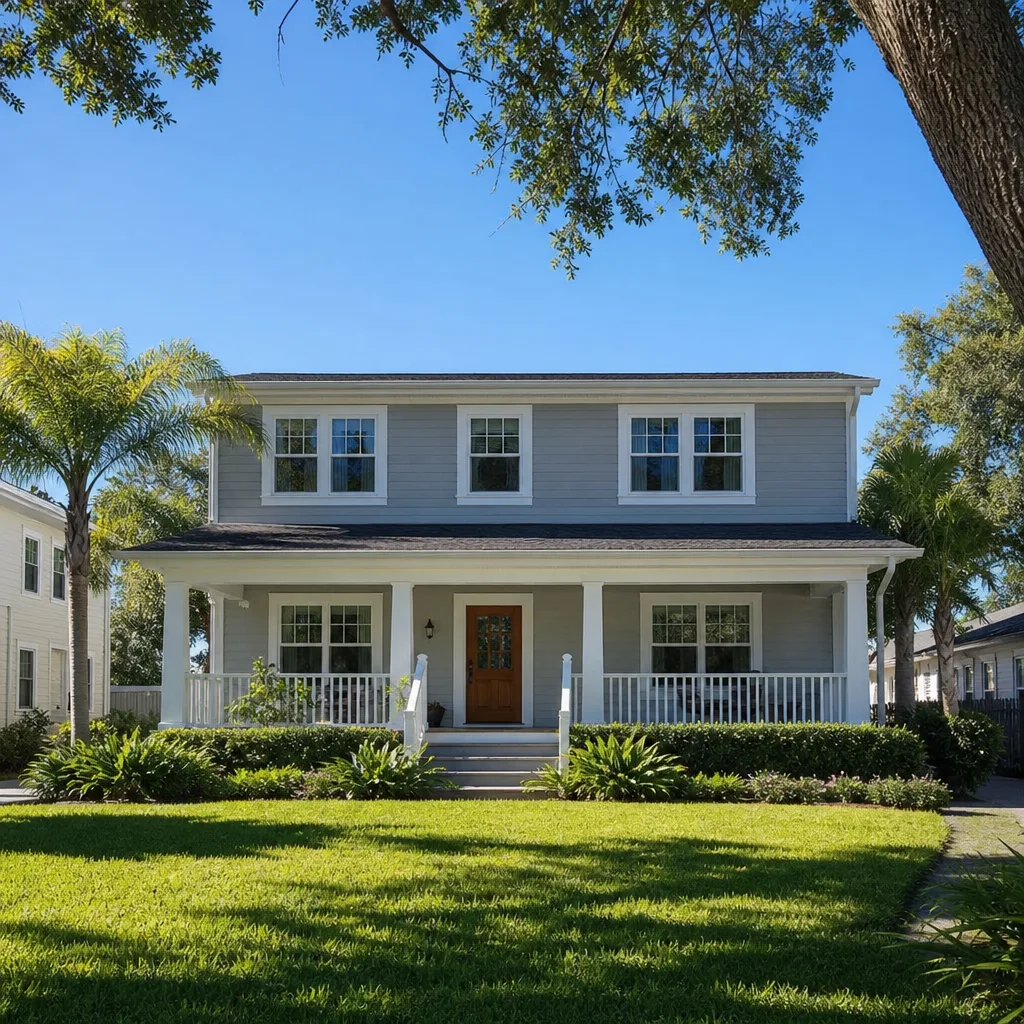
We work on all four Abodu model lines: the Studio 340 (the compact one, popular as a backyard ADU or guest suite), the One 500 (one bedroom, the most common Abodu unit we see in Fort Worth), the Two 750 (two bedrooms, more roof area, more panel joints), and the Loft 1000 (the largest, with a lofted sleeping area and a bigger mechanical load). On the interior side, we also handle kitchen design and layout, tile and flooring, and full bathroom remodels inside Abodu units. For exterior work tied to Abodu structures, our roof repair covers the site-built roof that almost always sits over or alongside the prefab module – that transition is where most Fort Worth leaks actually start.
We stock common Abodu-compatible sealants, butyl-backed seam tape, and step flashing locally, so a panel-joint or roof-transition repair doesn’t wait on a parts order. Structural panels are ordered to spec when needed, and the lead time is typically measured in days, not weeks.
See the difference
 Before
 After
After Before
 After
After Before
 After
AfterWe Also Service These Brands
Abodu Construction in Watauga, TX is a big part of what we do in Fort Worth, but we’re not tied to one manufacturer. Our crews also work with KraftMaid cabinetry, Cambria and Silestone countertops, and Kohler fixtures – so when an Abodu owner wants a kitchen upgrade with name-brand surfaces, we can handle the whole job without subbing it out. Multi-brand capability means you’re not stuck with whatever one supplier happens to carry.
Abodu Construction Pricing in Fort Worth, TX
Here’s what Abodu-related work typically costs in the Fort Worth market. These ranges are based on the jobs we’ve completed across the area, and they’re real numbers – not a teaser to get you on the phone. Your exact price depends on the size of the unit, the condition of the existing structure, and the materials you choose. Estimates are free.
| Project | Typical Fort Worth Price Range |
|---|---|
| Kitchen Remodel | $14,000 – $45,000 |
| Small Kitchen Remodel | $9,000 – $20,000 |
| Cabinet Installation | $4,000 – $13,000 |
| Backsplash Installation | $800 – $2,500 |
| Bathroom Remodel | $9,000 – $28,000 |
| Walk-In Shower Installation | $4,500 – $12,000 |
| Roof Repair (including roof-to-panel transitions) | $400 – $1,800 |
| Tile & Flooring | $2,000 – $6,500 |
Call (682) 841-6652 for a written quote on your specific Abodu project. The price you approve is the price you pay.
FAQs – Abodu Construction Service in Fort Worth
Yes. That roof-to-panel transition is the most common leak point on Abodu units in Fort Worth, because the factory flash detail doesn’t always match the slope of the site-built roof it ties into. We re-flash with wider step flashing, re-tape the panel seam with butyl-backed membrane, and repair any interior drywall or paint damage. Most of these repairs run $600 to $1,800 depending on how much roof and interior work is involved. Call (682) 841-6652 for an exact quote – estimates are free.
They do, and it’s the kind of thing that gets skipped by contractors who don’t know prefab construction. Abodu’s floor cassettes move slightly with Fort Worth’s clay-soil moisture swings, so we always use a decoupling membrane under tile – Schluter Ditra or a similar product – to keep the tile from cracking when the subfloor flexes. We also check the panel joints in the wet areas for any existing movement before we set the first tile. Skipping this step is how you get cracked grout lines six months after a tile job looks beautiful.
You can usually replace just the damaged panel. That holds true for hail damage, sun-buckled cladding, and isolated impact damage on all Abodu models. We match the panel profile and color, remove the damaged section without disturbing the adjacent panels, and re-seal all the surrounding seams. The whole wall only needs re-siding when the damage spans multiple panels or the underlying framing is compromised – we’ll show you the evidence either way before you spend a dime.
No, and you should get it checked before it gets worse. That symptom on an Abodu almost always means the line set is rubbing against the steel chassis, and the copper line is wearing through. Once it rubs through, you lose refrigerant, the system stops cooling, and you’re looking at a bigger repair. The fix is re-routing the line set with vibration isolators and recharging the system – typically $400 to $1,200 depending on how much line needs to be re-run. Call (682) 841-6652 and we’ll diagnose it.
Adding a kitchen island inside an existing Abodu unit typically doesn’t require a floor-plan change or a structural permit, since you’re not moving walls or altering the building envelope. What it does require is careful planning around the unit’s existing plumbing and electrical runs – Abodu kitchens are compact, and the panelized walls don’t give you much room to fish new lines. We design the island around the existing rough-ins, which keeps the job simpler and cheaper. Depending on what the city of Fort Worth requires for the specific scope, an electrical or plumbing permit may be needed – we pull permits and pass inspections on every job where they’re required as part of our General Contractor services.
No. We’re an independent contractor with real hands-on experience servicing Abodu Studio 340, One 500, Two 750, and Loft 1000 units across Fort Worth, but we have no affiliation with Abodu as a company. We don’t sell Abodu units, we don’t represent their warranty, and we don’t claim to be an authorized service provider. What we claim is that we’ve fixed enough of these units in this climate to know exactly how they fail and exactly how to fix them.
Book Your Abodu Service in Fort Worth, TX
If your Abodu has a leak, a hairline seam, a noisy mini-split, or a door that won’t latch, call Sawyer Remodel Fort Worth at (682) 841-6652. We’ll give you a written price before any work starts, and we’ll stand behind the work for a full year. Free estimates, straight answers, and a crew that actually shows up.
Written by Luca Romano, Owner & Lead Remodeler at Sawyer Remodel Fort Worth, serving Fort Worth since 2005.


