
Free written scope consultation - allowances, timeline, and change-order rules on paper before a single trade is scheduled
ActiveYards Home Additions & ADU: The Fort Worth Owner’s Guide
We install ActiveYards-compatible home additions and ADU projects in Fort Worth, and a typical full addition runs $45,000 to $130,000 depending on square footage, foundation work, and interior finish level. An attached ADU with its own kitchen and bath generally lands between $90,000 and $220,000. Most owners call us because their existing addition is showing structural stress, water intrusion at the connection point, or a failing transition between the original slab and the new pour. Those connection failures are the most common reason an ActiveYards addition underperforms here in North Texas.
If you’re reading this, the odds are you’ve already spotted the problem. Maybe the door between the house and the addition sticks in August but swings fine in January. Maybe you’re seeing a hairline crack running along the ceiling where the addition ties into the original roofline. Or maybe the mini-split in the addition can’t keep up with a Fort Worth July. We’ll walk you through what’s actually going on, what it costs to fix, and when it’s worth a full replacement of the failing section rather than another patch job.
Which ActiveYards Models This Applies To
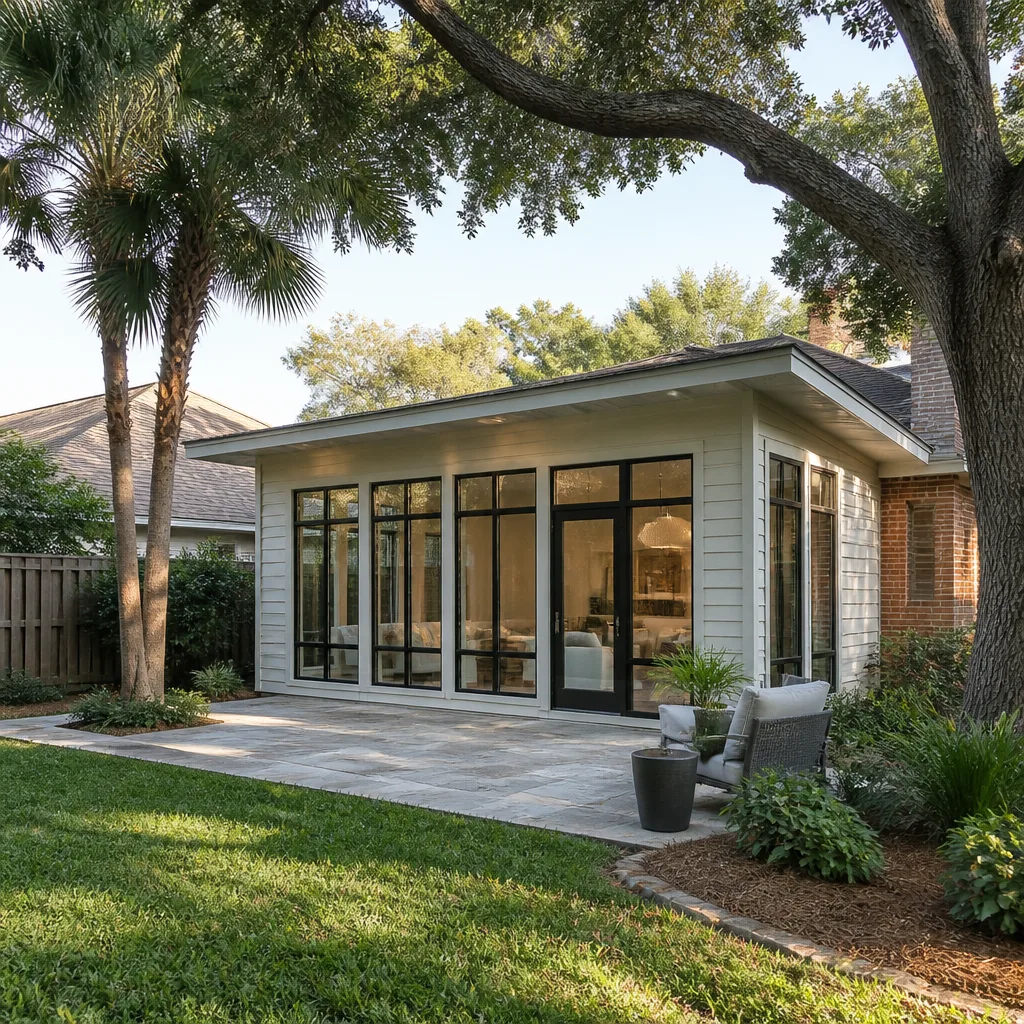
ActiveYards doesn’t manufacture home additions as a packaged product, so there’s no single model number stamped on your wall to reference. What we’re usually dealing with is either a prefabricated sunroom or patio enclosure that was expanded into living space, or a stick-built addition that uses ActiveYards framing connectors, brackets, and load-transfer hardware. The compatibility question comes down to which hardware series was used at the tie-in points: the original slab edge, the roof ledger, and the sidewall connection.
Here’s the gotcha most Fort Worth homeowners don’t know: ActiveYards hardware from different production years isn’t always interchangeable. The bracket spacing and anchor pattern changed twice in the last decade, and if your addition was built before those changes, a newer bracket won’t line up with the existing anchor holes without drilling new ones into structural concrete. That’s not a dealbreaker, but it matters. We check the stamping on the existing brackets first, and if the stamps are worn off, we take measurements on the bracket width, bolt pattern, and gauge. That tells us which hardware generation you have and whether we can match it directly or need to use an engineered retrofit plate. For most Fort Worth additions built after 2012, direct OEM-matching brackets are still available. For older builds, a code-listed retrofit plate costs a little more but gets you the same load rating. We stock both on the truck.
Sawyer Remodel Fort Worth is an independent service provider, not affiliated with ActiveYards. We service and repair their hardware every week alongside KraftMaid cabinetry, Cambria and Silestone countertops, and every other brand in the house.
Styles & brands we work with







Signs Your ActiveYards Home Addition or ADU Is Failing
- Cracking at the ceiling where the addition meets the original roofline. If the addition was framed with a ridge that doesn’t match the original roof pitch, you get differential settlement between the two structures. In Fort Worth’s expansive clay soils, this shows up within the first three to five years.
- Doors that stick in summer and close fine in winter. That’s moisture-driven movement. The addition’s slab or the original foundation is expanding and contracting at different rates, which means the door frame is racking. It’s rarely the door itself.
- Water staining on the interior wall where the addition ties into the house. The flashing detail at that connection point is the first thing to fail on a Fort Worth addition. We get heavy wind-driven rain from the west, and a flashing lap that’s too short lets water walk right under the siding.
- A visible step or lippage at the floor transition between the original slab and the addition. This usually means the new pour was done without a proper isolation joint, or the subgrade wasn’t compacted correctly. It starts as an eighth inch and becomes a half inch before you notice it.
- The mini-split or HVAC in the addition runs constantly and can’t hold temperature. Most add-on spaces in Fort Worth are under-insulated at the roof deck and under-sized on the cooling side. A south-facing addition with R-19 in the ceiling will lose the cooling battle every August.
See the difference
 Before
 After
After Before
 After
After Before
 After
AfterReplacement Cost & What’s Included
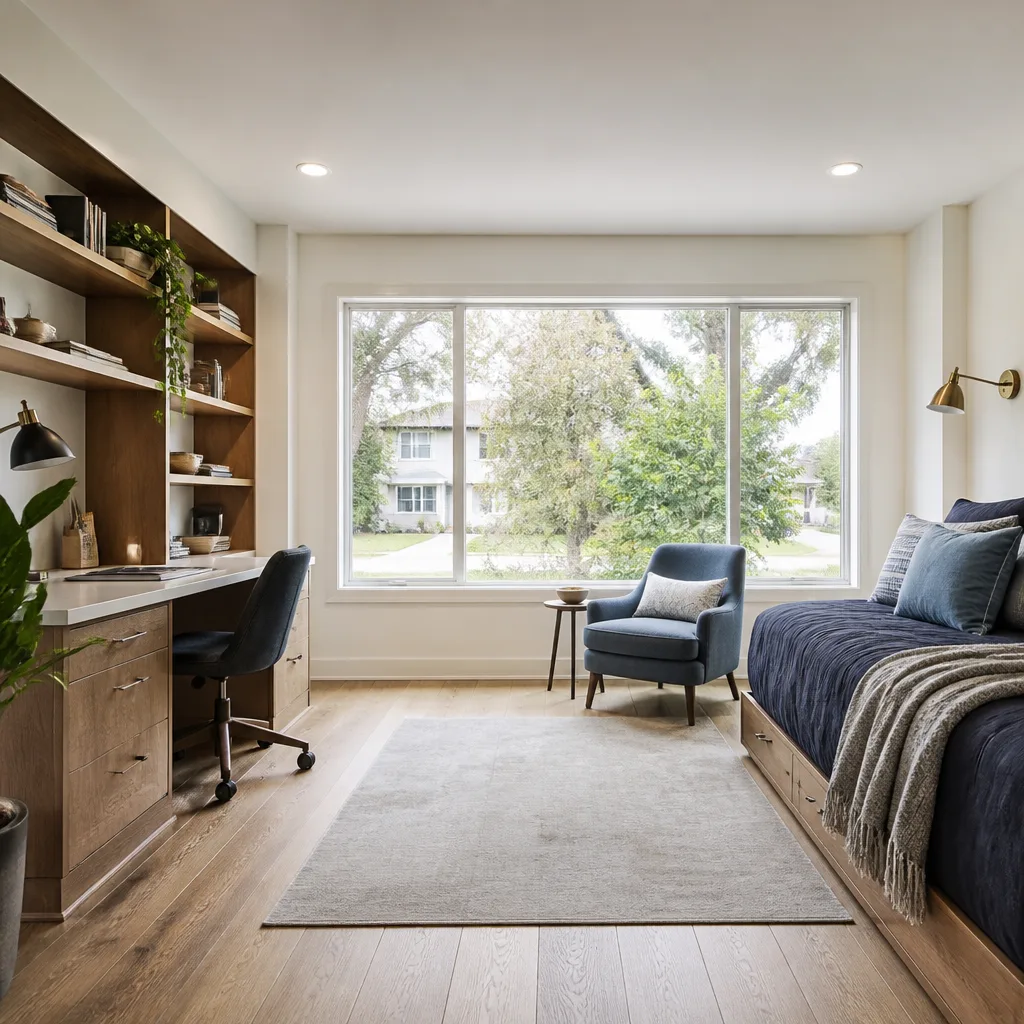
For Fort Worth, a full home addition replacement or new build runs $45,000 to $130,000, and an ADU with kitchen and bath runs $90,000 to $220,000. What drives the range is foundation type (pier and beam costs differently than slab), roof tie-in complexity, plumbing rough-in distance from the main line, and interior finish level. A shell-only addition with basic finishes lands at the bottom. A fully finished addition with a bath, custom cabinetry from KraftMaid, and Cambria or Silestone countertops lands at the top.
Every estimate we write includes line-item pricing for the structural work, the envelope (roof, siding, windows), the mechanicals, and the finishes. You get that written price before any work starts, and the number on the invoice is the number you approved. No change orders on work we scoped correctly. The workmanship is covered by our 365-Day Done Right Promise, and if something fails in that year, we come back and make it right. The work talks. We just back it up.
DIY or Call Us?
You can safely inspect a few things yourself: check for water staining at the tie-in point after a rain, look for visible cracks wider than a quarter inch at the ceiling line, and watch whether doors stick differently between seasons. Those observations help us diagnose faster.
Here’s where DIY goes wrong. Cutting into a roof connection or pulling structural brackets without knowing the load path is where serious injury happens. A roof ledger that’s carrying the addition’s rafters is holding thousands of pounds. If you loosen the wrong bolt, that load has to go somewhere, and it’s usually not anywhere good. Same goes for gas lines, electrical panels in the addition, or anything tied into the main service. That work needs training and a permit. Fort Worth code enforcement is strict, and unpermitted structural work on an addition will bite you when you sell. If you’re not sure whether it’s structural, call us at (682) 841-6652 and we’ll tell you straight. The estimate is free.
FAQs
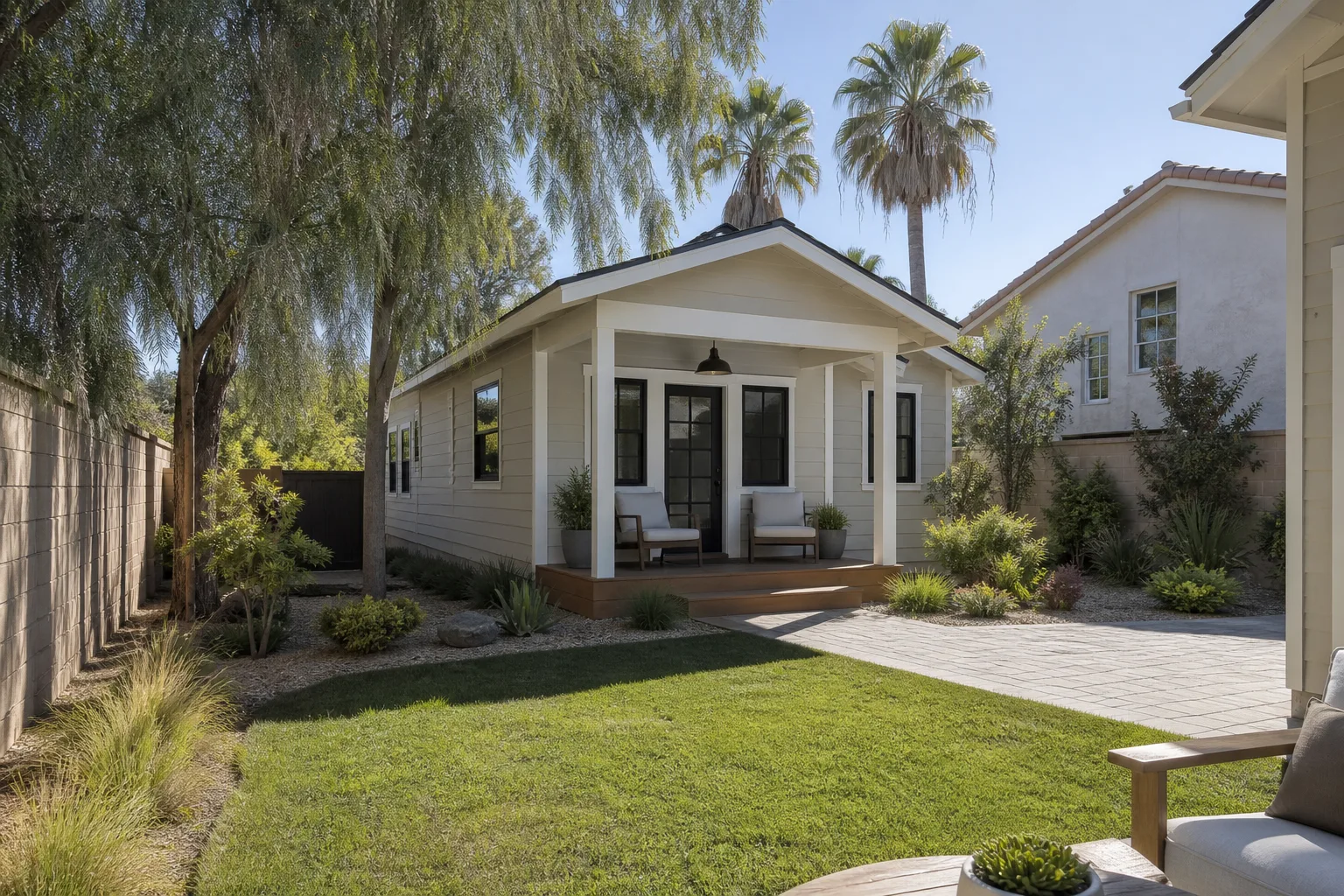
A correctly built addition in Fort Worth should last the life of the original structure, meaning 40-plus years, but the tie-in points, flashing, and HVAC equipment typically need attention at the 10 to 15 year mark. The expansive clay soil here shortens that timeline compared to other markets, and a poorly compacted subgrade can cut it to five years. Call (682) 841-6652 if you’re seeing any of the signs above, and we’ll give you an honest assessment.
Most failing additions can be repaired section by section: new flashing, retrofit brackets, or a properly engineered isolation joint between slabs. Full replacement is only the right call when the structural framing itself is compromised by water or termite damage, or the original build was so far out of code that patching won’t satisfy the inspector. We’ll tell you which one you have, and we’ll put the price in writing either way.
A shell-only addition typically takes 8 to 12 weeks from permit to final inspection. A fully finished ADU with kitchen and bath runs 16 to 24 weeks depending on utility work and material lead times. Fort Worth permitting adds two to four weeks on the front end, and we pull the permits ourselves so you’re not chasing paperwork. Call (682) 841-6652 for a timeline specific to your project.
We stock the common retrofit brackets, flashing profiles, and load-transfer plates on the truck for the hardware generations most common in Fort Worth homes. If your addition needs a specific or long-lead item, we order it with a written ETA so you know exactly what you’re waiting on. You get a live arrival time before we show up, and photo updates before and after the work. That’s the Relay Standard on every job.
If your ActiveYards home addition or ADU is showing signs of failure, call Sawyer Remodel Fort Worth at (682) 841-6652 for a free estimate. We’ll walk the addition with you, show you exactly what’s failing and why, and hand you a written price before a single tool comes off the truck. Luca Romano still does the walkthroughs himself, because he’s seen too many remodels go sideways when the owner stops showing up. That doesn’t happen here.
Written by Luca Romano, Owner & Lead Remodeler, Sawyer Remodel Fort Worth at Sawyer Remodel Fort Worth, serving Fort Worth and nearby areas.


