
Free written scope consultation - allowances, timeline, and change-order rules on paper before a single trade is scheduled
Cover Home Additions & ADU: The Fort Worth Owner’s Guide
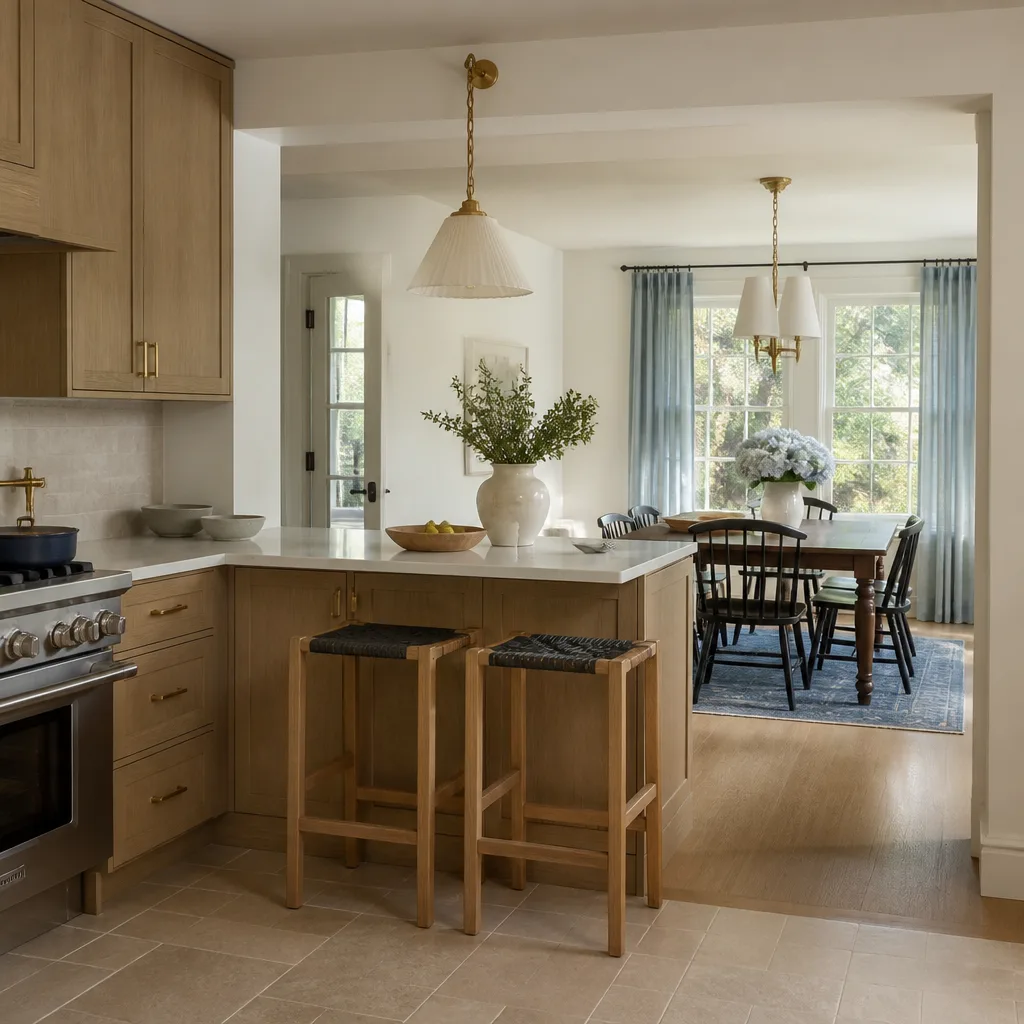
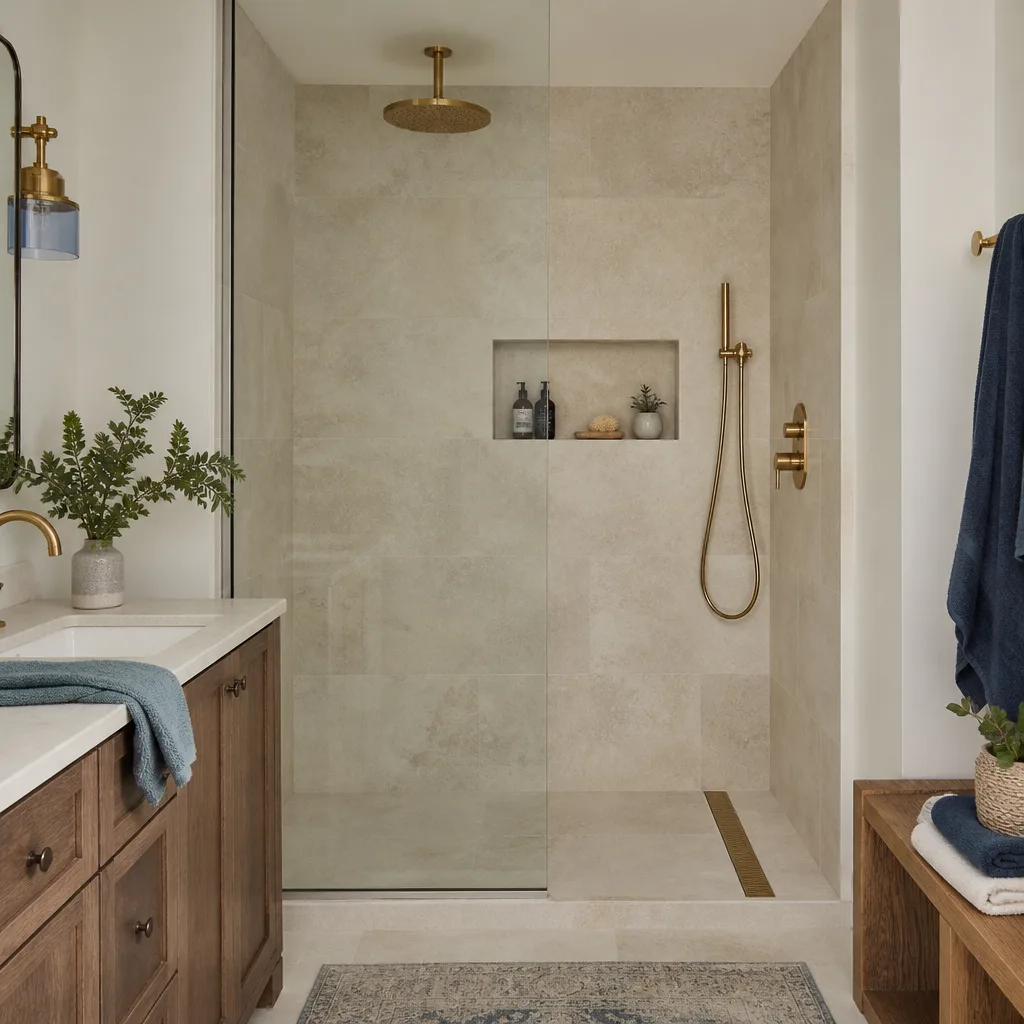
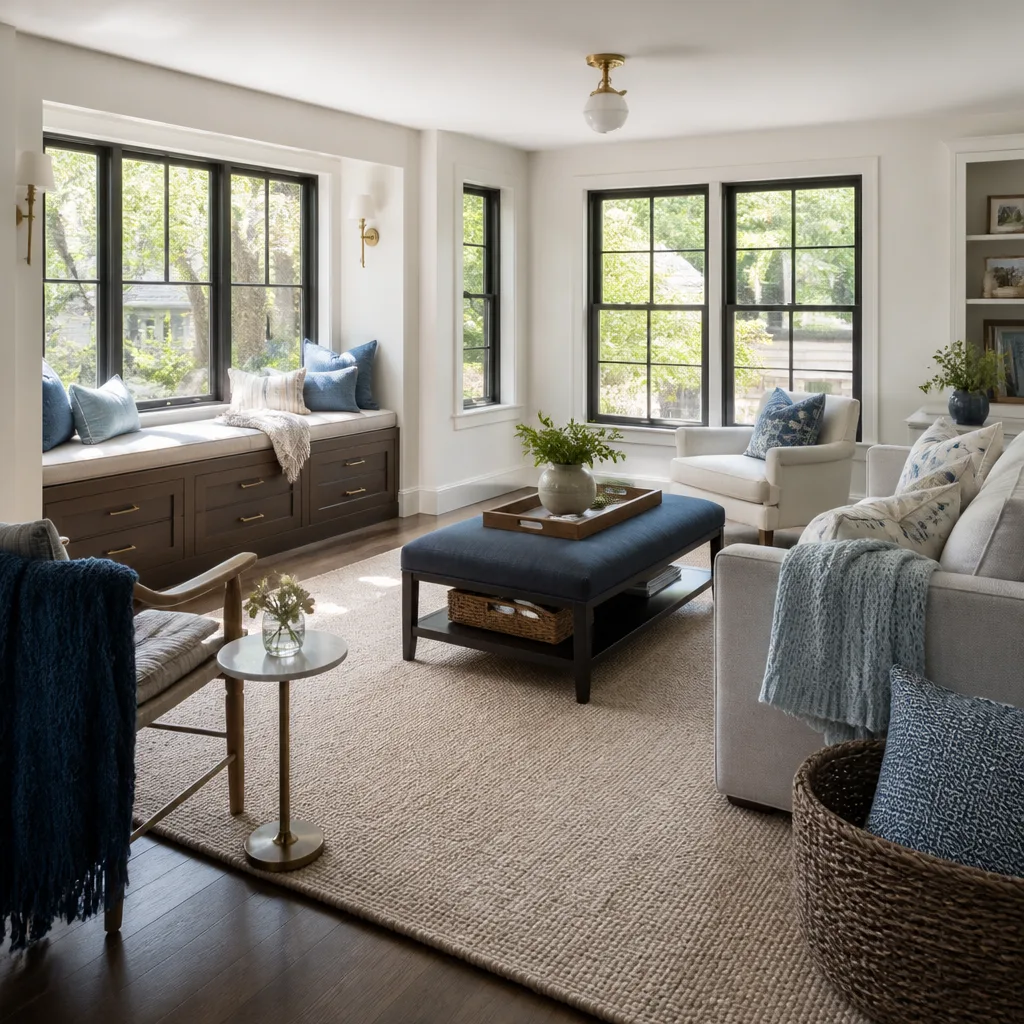
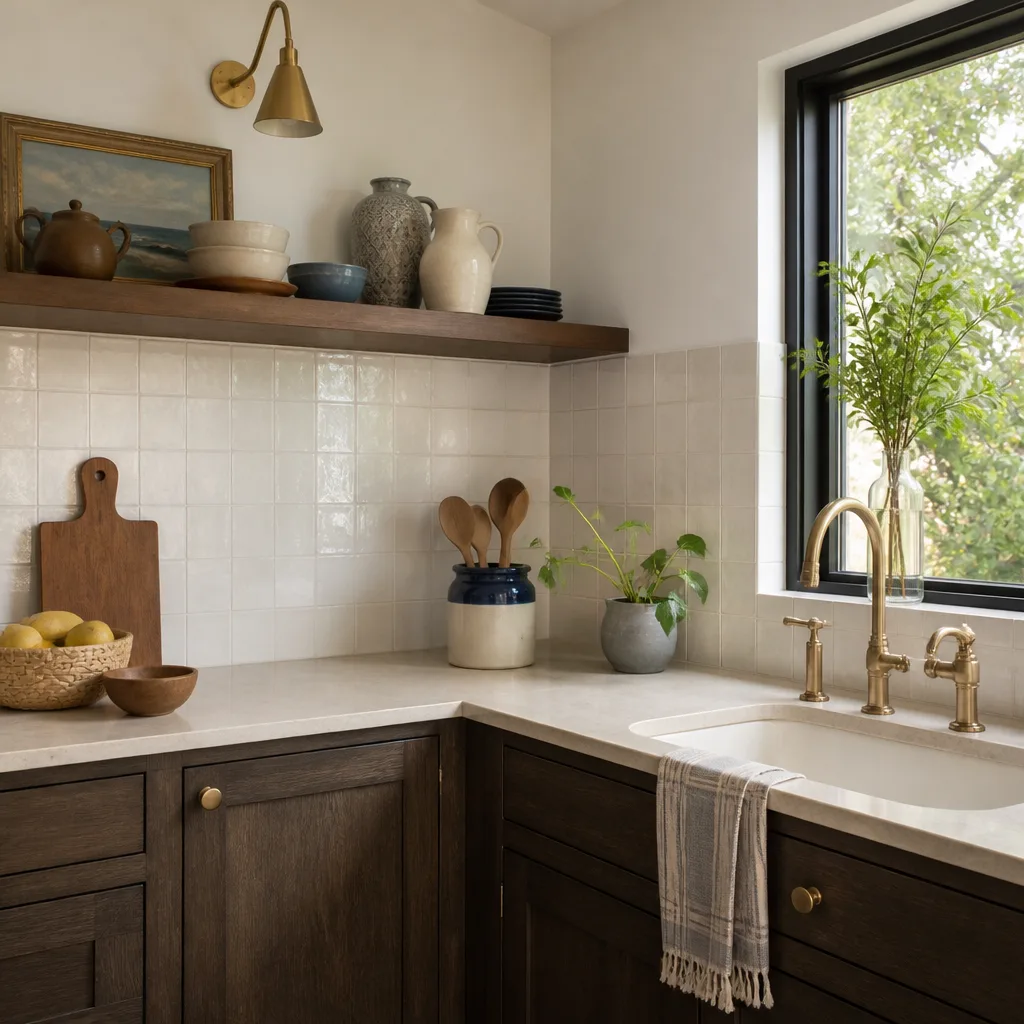
If you’ve got a Cover home addition or ADU in Fort Worth and something’s failing, here’s the straight answer: we install and replace the structural and finish components for these units at $45,000 to $130,000 for full additions, with targeted part replacements running less depending on scope. Most owners discover the problem the same way: a door that suddenly won’t close square, drywall cracks spreading from a corner, or water staining along a roofline that wasn’t there last spring. We stock common replacement materials on our trucks and can usually diagnose the issue on the first visit.
Sawyer Remodel Fort Worth is an independent service provider. We’re not affiliated with Cover, but we work on their units regularly and know where they fail in North Texas conditions.
Which Cover Models This Applies To
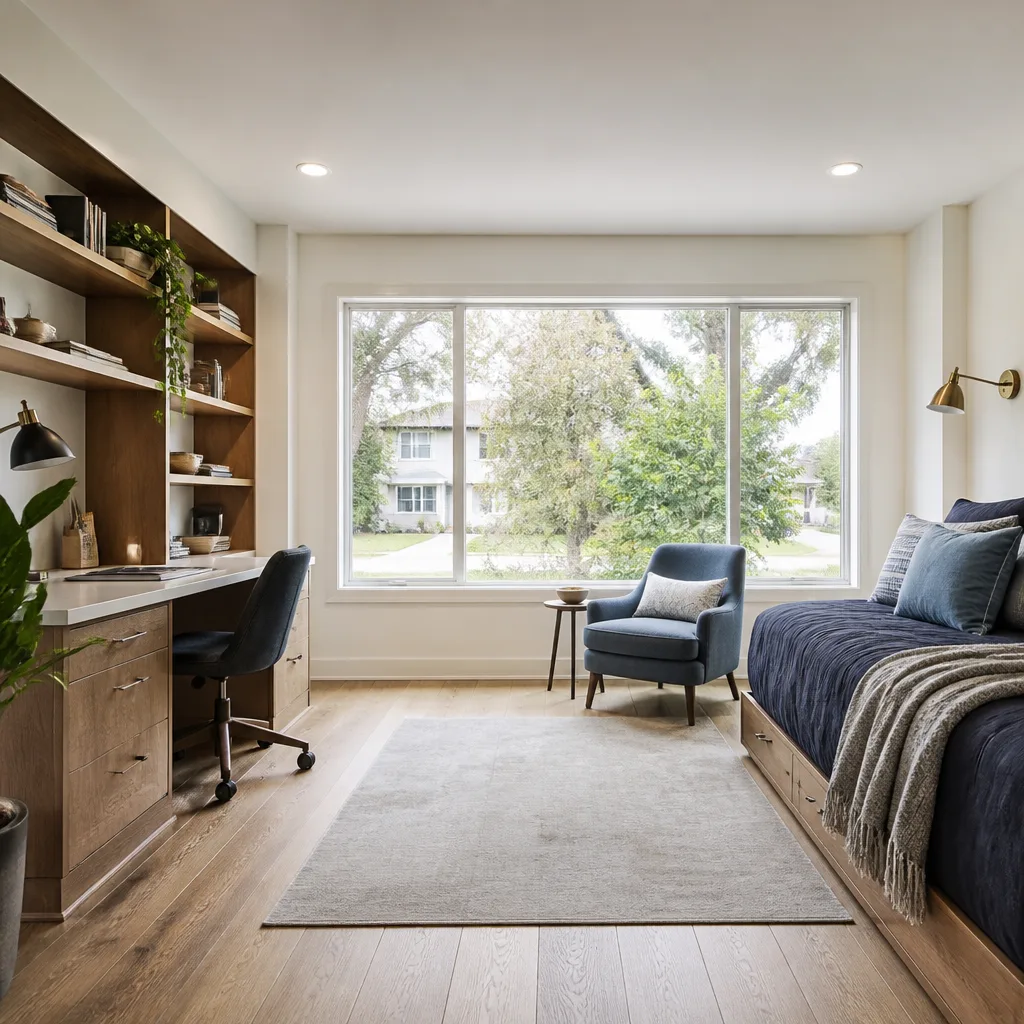
Cover builds their additions and ADUs as prefabricated modules assembled on-site, which means the parts we replace fall into two categories: factory-assembled components and site-built connections. The factory side includes pre-hung door frames, window packages, and interior finish panels. The site-built side covers everything tying the module to your foundation, plus the roof transitions and utility connections.
Here’s the compatibility gotcha we see in Fort Worth: Cover uses proprietary corner brackets and floor-to-wall fastening systems that are not interchangeable with standard residential hardware. If you’re replacing a wall panel or reinforcing a corner, you need parts spec’d for the module’s actual dimensions, not what’s on the shelf at a big-box store. Measure your unit’s module size and check the serial tag on the frame before ordering anything. For most Cover units, OEM replacement parts are the right call because the dimensions are non-standard. In some cases, a quality aftermarket equivalent for things like weatherstripping, door hardware, or window seals works fine and costs less. We’ll tell you which is which when we look at the unit.
One more spec range worth knowing: the roof-to-wall transition flashing on Cover units in Fort Worth is typically aluminum with a lifespan of 7 to 10 years under Texas sun and hail, and it’s one of the first things we replace on units 5-plus years old.
Styles & brands we work with







Signs Your Cover Home Addition & ADU Is Failing
- Doors that stick or won’t latch. This is almost always a settling or shifting issue where the module has moved slightly on its foundation piers. The fix is usually re-leveling and re-securing the corner brackets, not a new door.
- Cracks running at 45 degrees from window or door corners. In Fort Worth’s expansive clay soil, the ground swells and shrinks through the year, and that movement telegraphs through module seams. These cracks typically mean the unit’s connection to the foundation needs attention before the drywall repair.
- Water staining on the ceiling near the roofline. This usually points to failed roof-to-wall flashing or degraded sealant around the module’s perimeter joint. If you catch it early, it’s a flashing replacement. If you wait, you’re looking at sheathing and insulation replacement too.
- Gaps opening between the module and your main house. For attached additions, the joint between the original structure and the Cover unit is a known weak point. A visible gap means the tie-in hardware has loosened and needs re-tensioning or replacement.
- Utility connections acting up: flickering circuits or low water pressure in the unit. Module-built ADUs run electrical and plumbing through junction points that can loosen over time. This is a repair we handle, but it’s not one to put off since loose connections are how bigger problems start.
See the difference
 Before
 After
After Before
 After
After Before
 After
AfterReplacement Cost & What’s Included
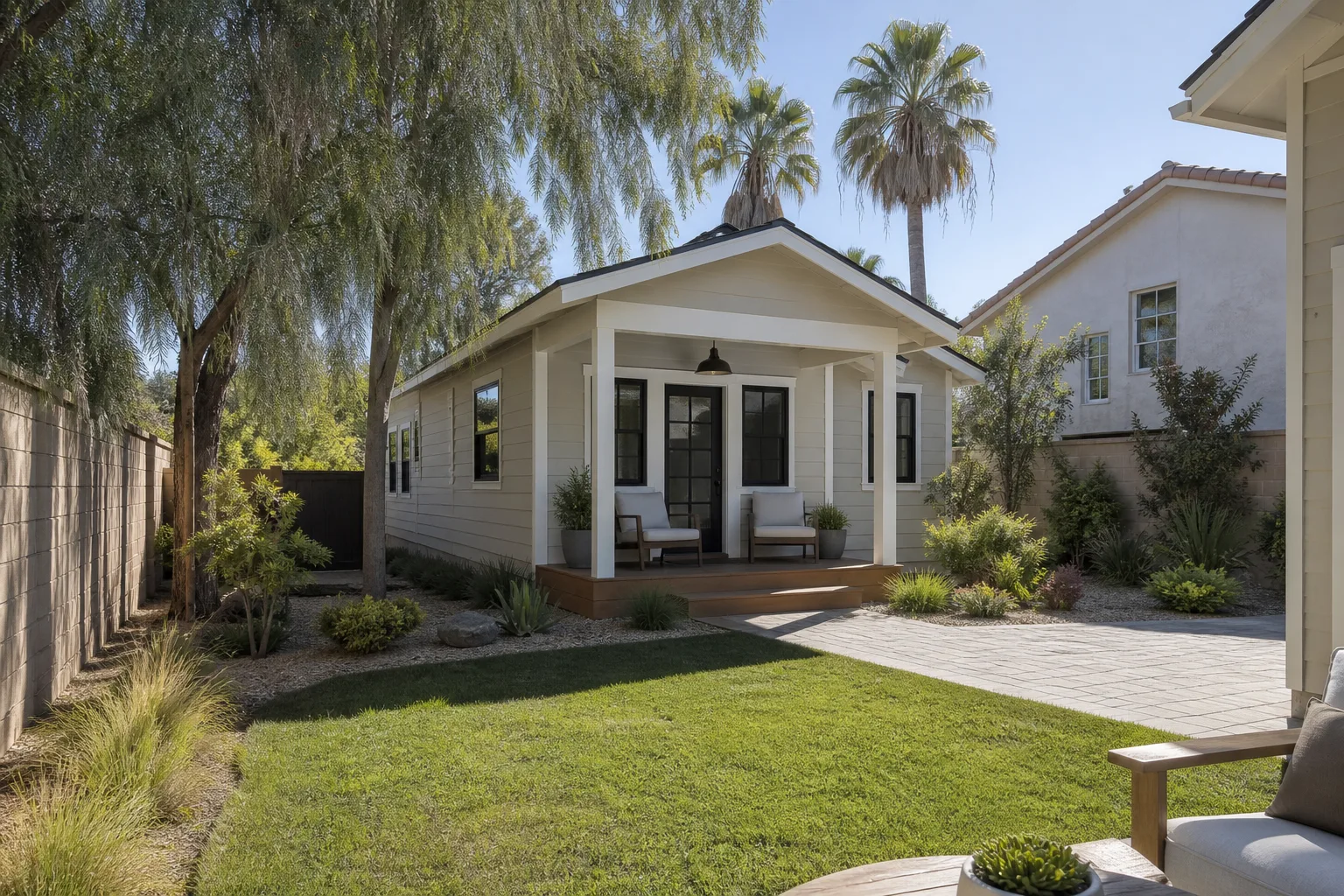
In Fort Worth, full Cover home additions run $45,000 to $130,000 depending on square footage, finish level, and how much structural work the existing connection points need. A dedicated ADU construction project runs $90,000 to $220,000. For targeted part replacements, smaller scopes like re-flashing a roofline, replacing a failed wall panel, or re-leveling and re-securing a module fall well under the full addition range. The biggest cost drivers in Fort Worth are foundation work on expansive clay soil and the labor to match existing finishes on a unit that’s been settling for a few years.
Every estimate from Sawyer Remodel Fort Worth is a written, line-item price you get before we start. Parts and labor are broken out separately, and the price we quote is the price you pay. The 365-Day Done Right Promise backs the work: if something we installed fails within a year, we make it right at no charge. That’s in writing, on every job, no arguments.
DIY or Call Us?
There are a couple of things you can safely check yourself: sight lines across the floor to spot obvious settling, caulk and sealant around windows and doors that’s gone brittle, and visible gaps at the roofline. Those observations help us diagnose faster. But the actual repair on a Cover module involves the structural connection system, and that is not a weekend project. The corner brackets and tie-down hardware are under load. If they’re improperly tensioned or torqued, the module shifts further, and you compound the problem. This is one where the honest answer is: call a pro. We’ve been working Fort Worth homes since 2005, and Luca Romano still walks every job site himself before work starts. Call (682) 841-6652 and we’ll take a look.
FAQs
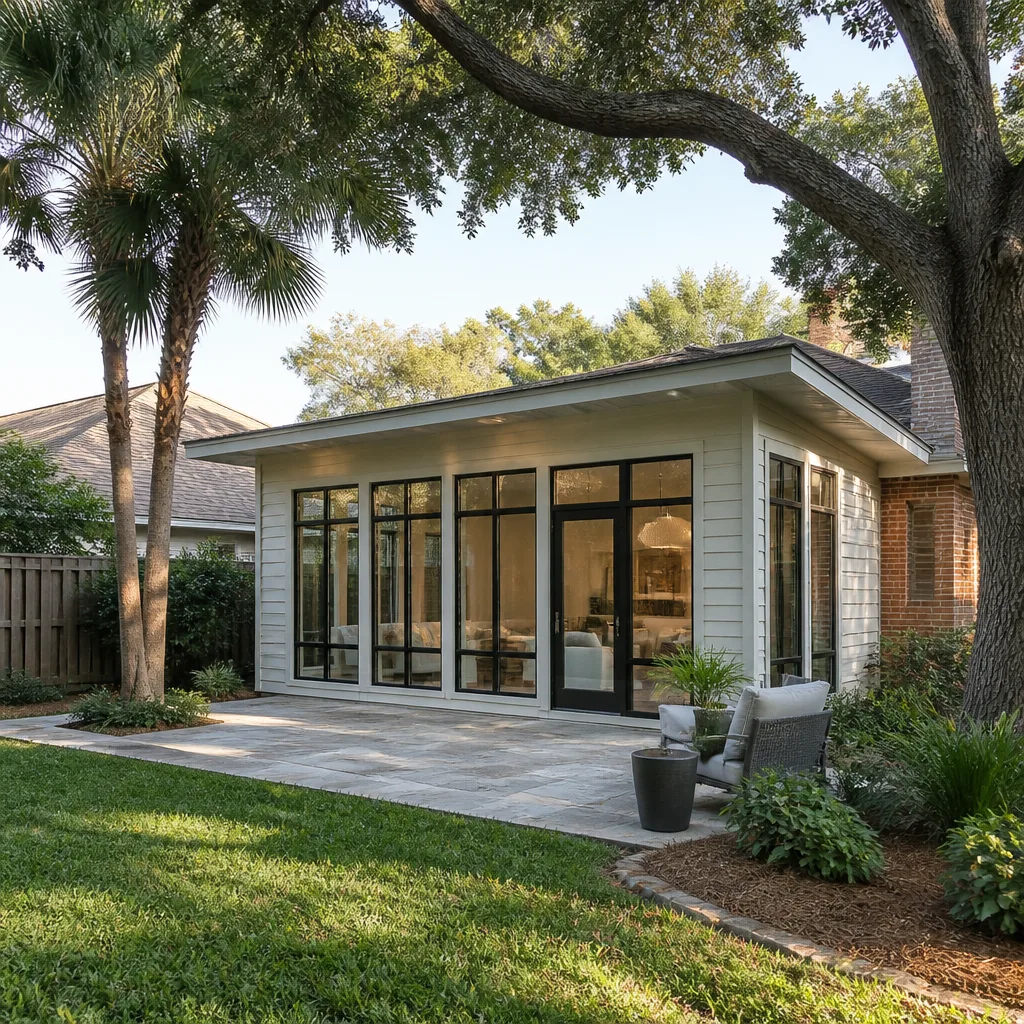
With proper maintenance and attention to the foundation connection points, a Cover addition in Fort Worth should last 30 to 50 years. That said, the sealant, flashing, and weatherstripping components typically need replacement every 7 to 10 years due to North Texas sun and hail. Call (682) 841-6652 for an exact assessment of your unit’s condition.
Yes, in most cases. Failed flashing, degraded sealant, loosened tie-down hardware, and cracked drywall from settling are all repairable without touching the module itself. Full replacement of the module is rare and usually only comes up if there’s been major water intrusion or fire damage. We’ll tell you the straight answer after a walkthrough.
Most targeted repairs, like re-flashing a roofline or re-leveling a module, take 1 to 3 days on site. Larger repairs involving multiple connection points or finish matching can run a week or more. We’ll give you a specific timeline in writing before work starts.
We keep the common failure items on our trucks: aluminum flashing, weatherstripping, sealants rated for Texas temperature swings, door hardware, and fastening components sized for Cover’s corner brackets. For larger panel or frame components, we order directly and bring them to your Fort Worth property when they arrive. You’ll know the ETA before we start.
Written by Luca Romano, Owner & Lead Remodeler, Sawyer Remodel Fort Worth at Sawyer Remodel Fort Worth, serving Fort Worth and nearby areas.


