Free written scope consultation - allowances, timeline, and change-order rules on paper before a single trade is scheduled
Dvele Home Additions & ADU: The Fort Worth Owner’s Guide
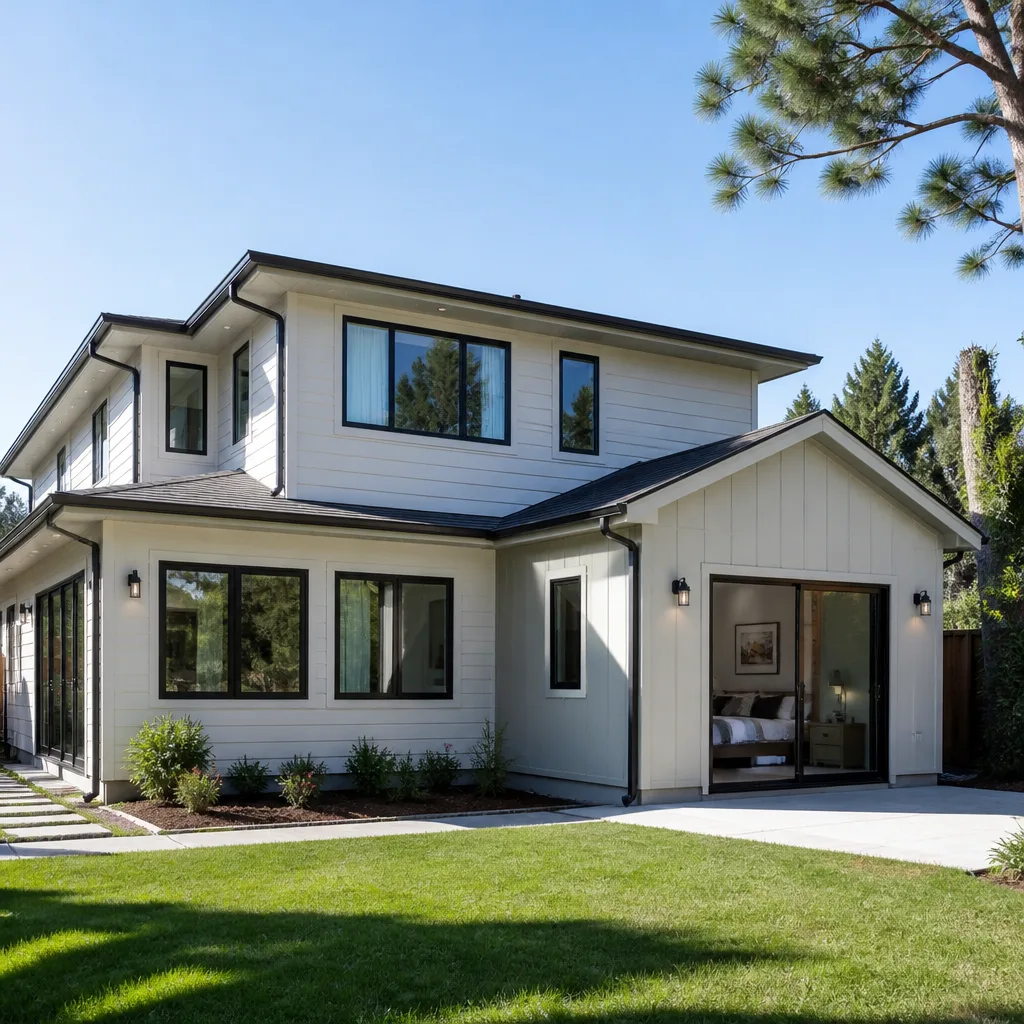
Adding square footage to a Dvele home in Fort Worth typically runs $45,000 to $130,000 installed, depending on whether you’re extending the main structure or building a detached ADU. We stock the framing hardware, panel connections, and Dvele-compatible attachment systems needed to tie new construction into your existing envelope without compromising the original build’s performance. Most owners reach out after noticing gaps at the transition point where the addition meets the original wall, or when an unpermitted add-on starts pulling away from the house during our Texas clay soil’s seasonal shift.
Here’s the short version: Dvele builds panelized, high-performance homes with specific connection details at every junction. A standard stick-built addition slapped on without matching those details will eventually separate, leak, and fight the original structure. We’ve torn apart enough botched add-ons across Fort Worth to know exactly where they fail first and how to prevent it.
Key Takeaways
- Dvele home additions in Fort Worth cost $45,000 – $130,000 installed, including permits, foundation, framing, and finish work.
- Detached ADUs built to Dvele’s envelope standards run $90,000 – $220,000 depending on size, utilities, and site work.
- The connection point between original structure and addition is where 90% of failures show up in North Texas.
- Fort Worth requires permits and inspections on all structural additions; skipping this kills resale value and insurance coverage.
- We write a fixed price before any work starts, and the number on your invoice matches the number you approved.
Which Dvele Models This Applies To
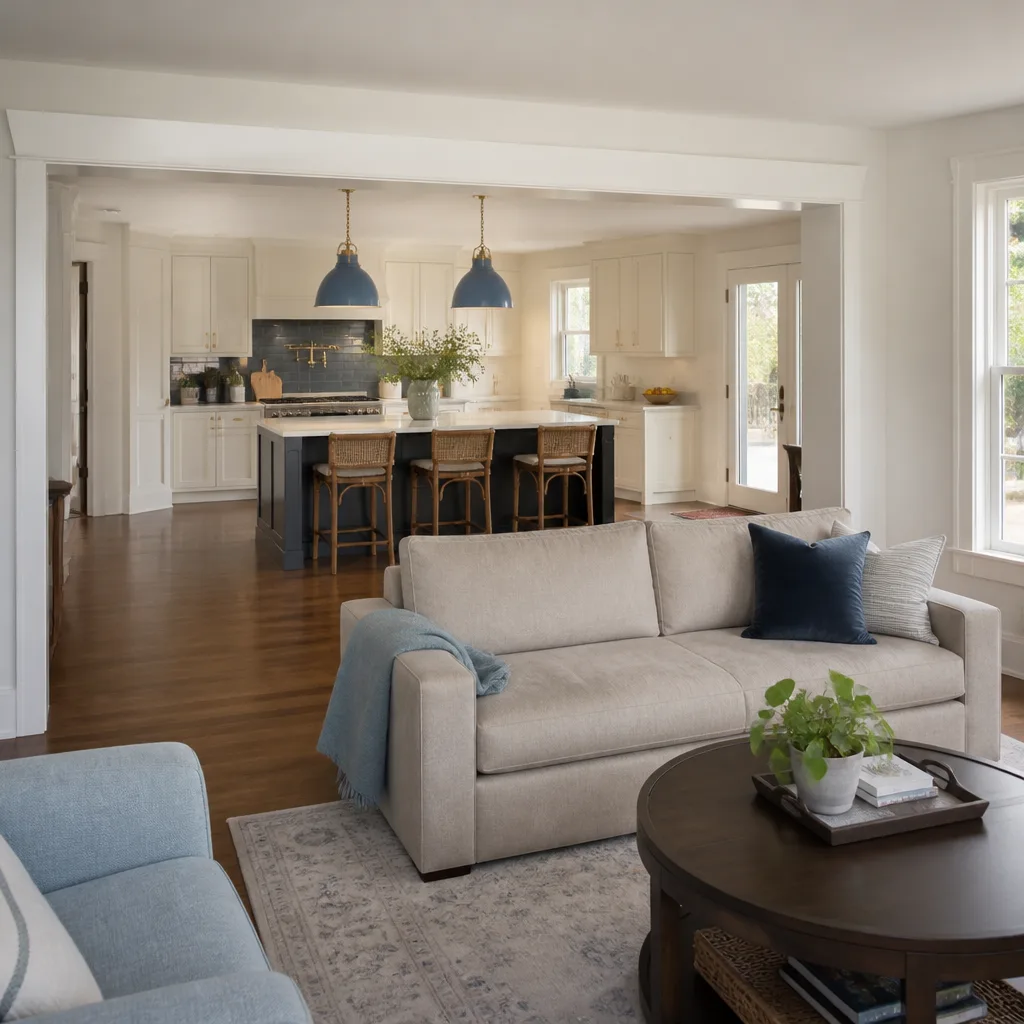
Dvele’s panelized construction covers their full home lineup, but the addition process shifts depending on which system you own. Their standard wall panels use a 2×6 steel-stud frame with continuous exterior insulation and a specialized weather-resistive barrier that laps in a specific sequence. The roof cassettes and floor cassettes carry load differently than dimensional lumber, which means an addition needs engineered points where new framing meets the steel studs and existing shear panels.
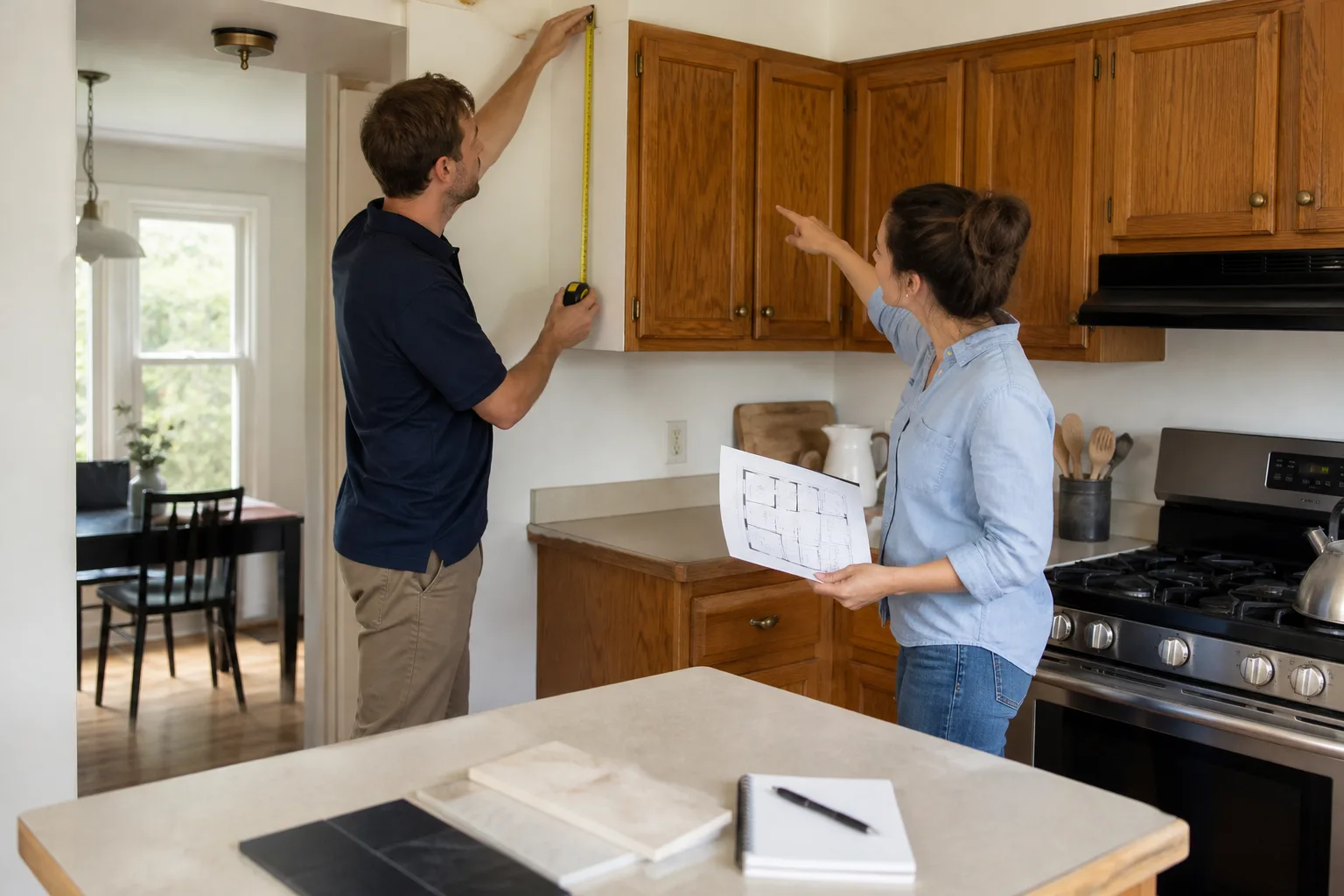
Here’s the compatibility gotcha most Fort Worth contractors miss: Dvele’s wall panels are 9’4″ tall in most models, not the 8′ or 9′ you’d frame with dimensional lumber. If the addition’s wall height doesn’t match, the roofline won’t tie in clean, and you’ll get a visible step or a valley that funnels water onto the transition. Before we quote anything, we pull the build specs from your original plans or measure the existing panel dimensions on-site.
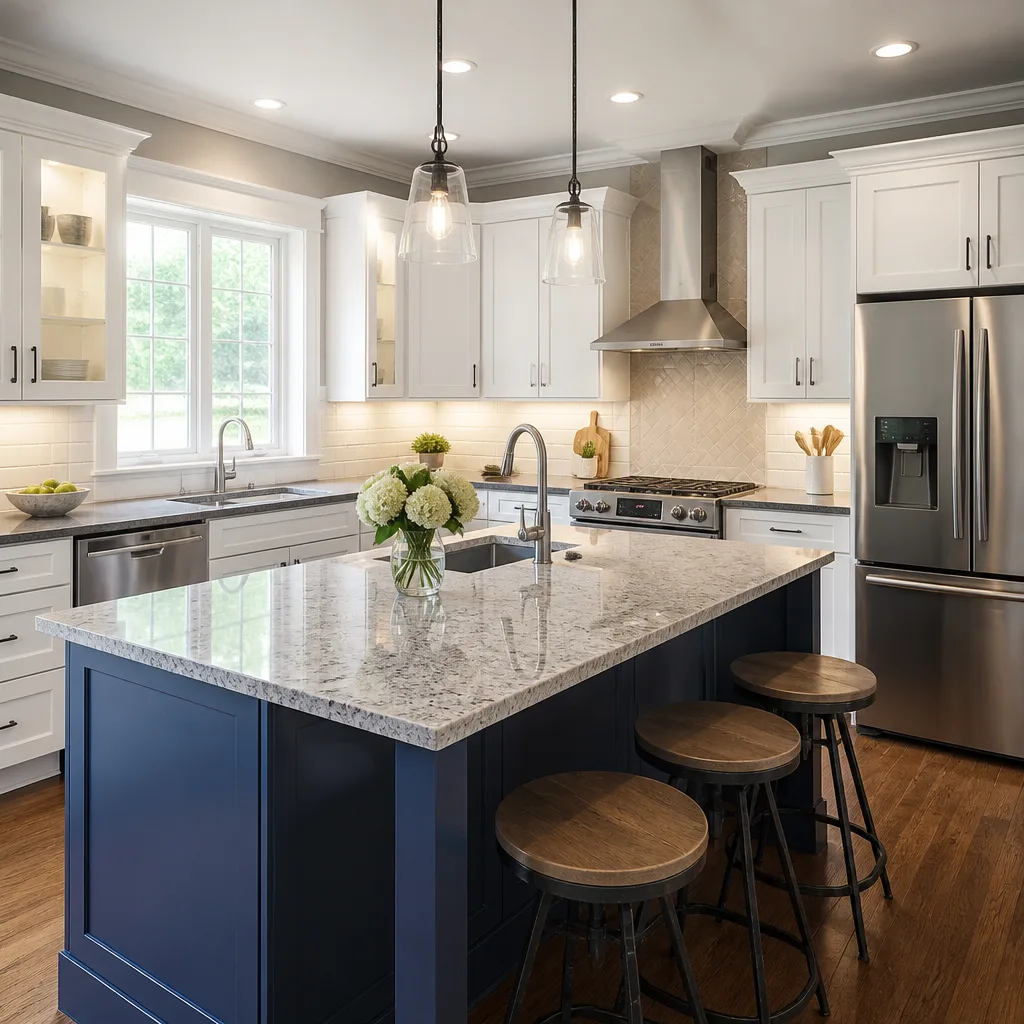
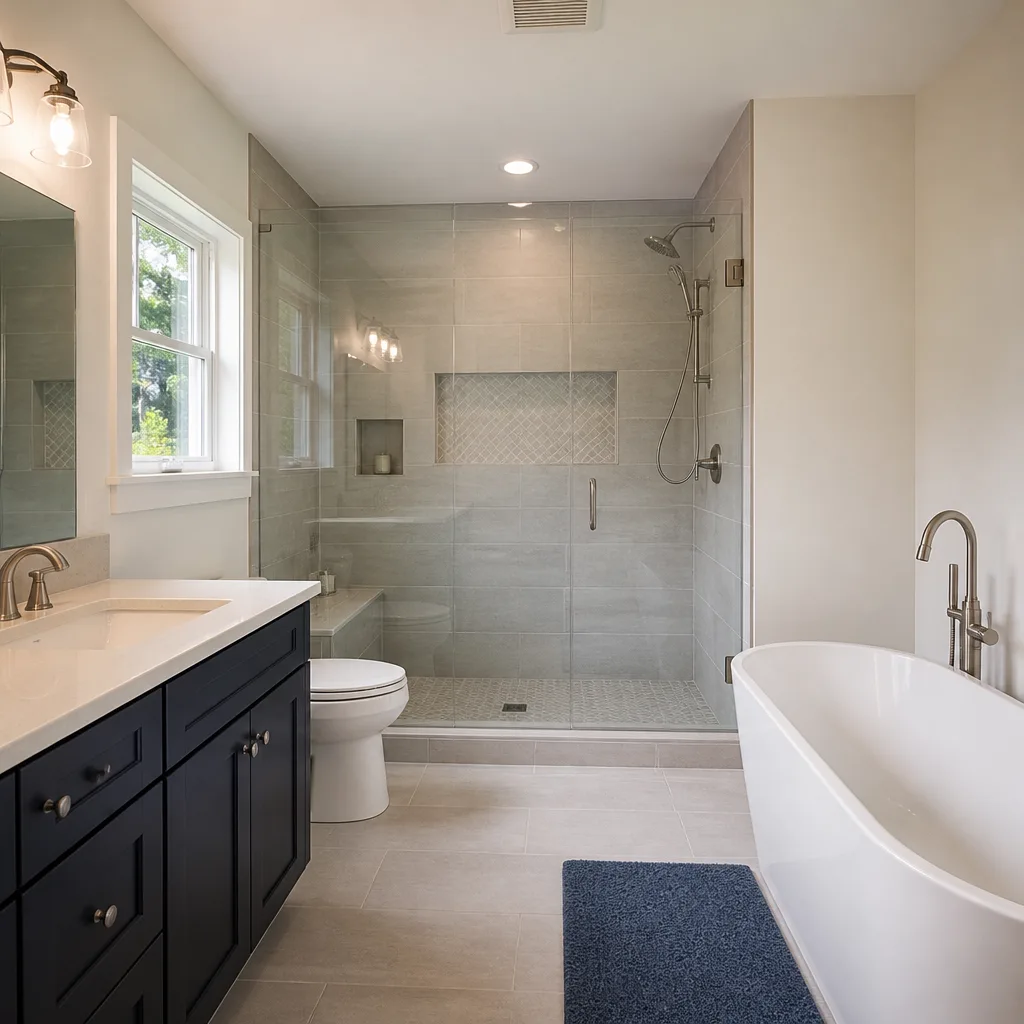
You’ll also need to decide between OEM-spec materials and quality aftermarket equivalents. Dvele’s proprietary panel system means true OEM components come through their supply chain, which can add weeks to a Fort Worth project. We stock aftermarket steel studs, matching insulation boards, and compatible weather barriers that meet or exceed the original spec, sourced from the same Texas distributors we’ve used for years. For finish materials, we pull from the same premium brands Dvele homes often ship with: KraftMaid or Wellborn cabinetry, Cambria or Silestone countertops, Kohler or Toto fixtures. Your addition shouldn’t look like an afterthought.
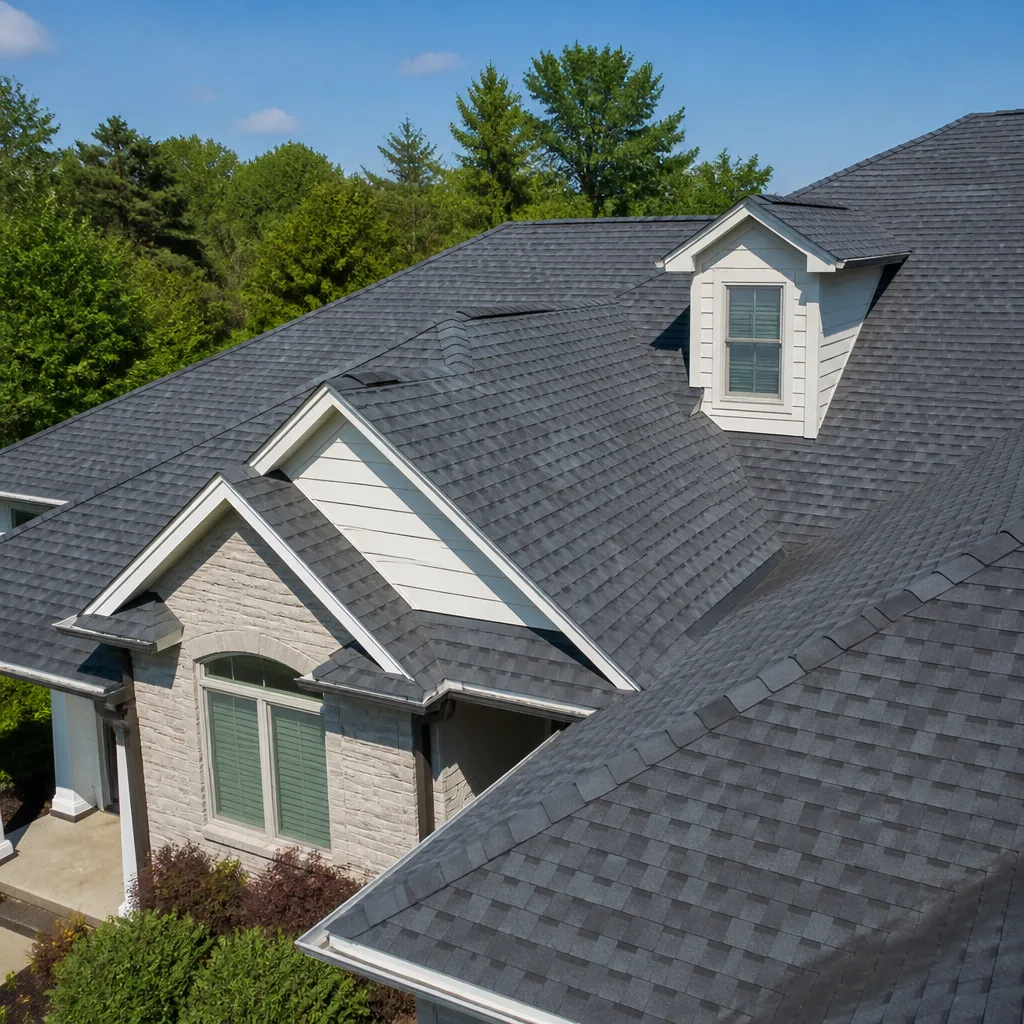
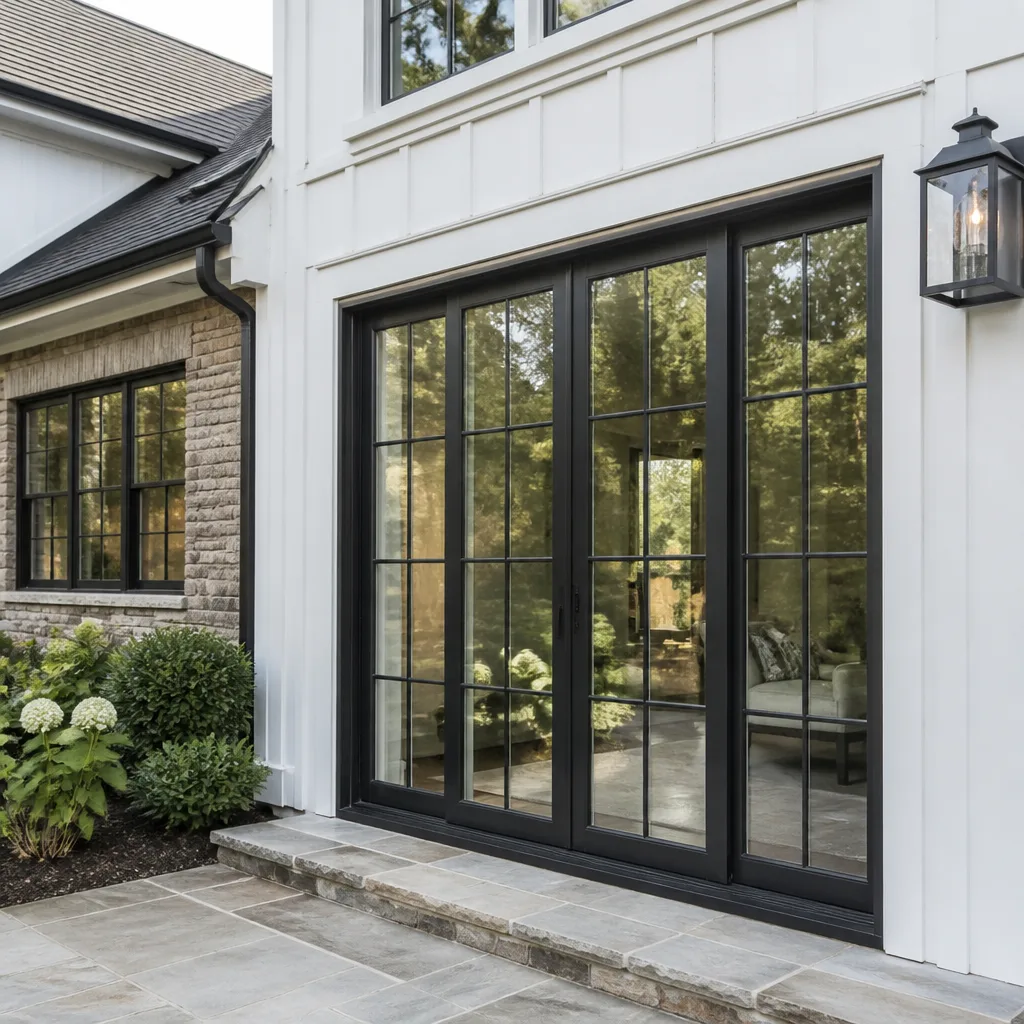
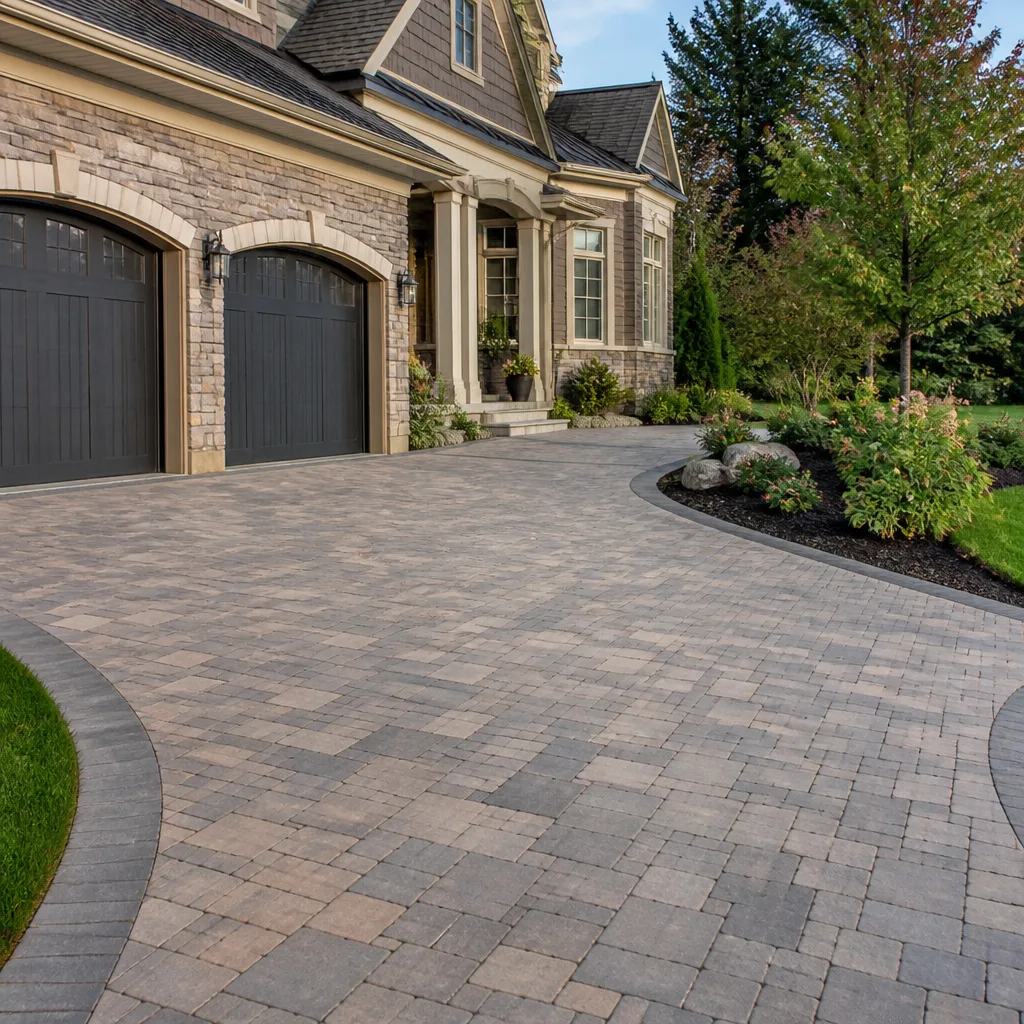
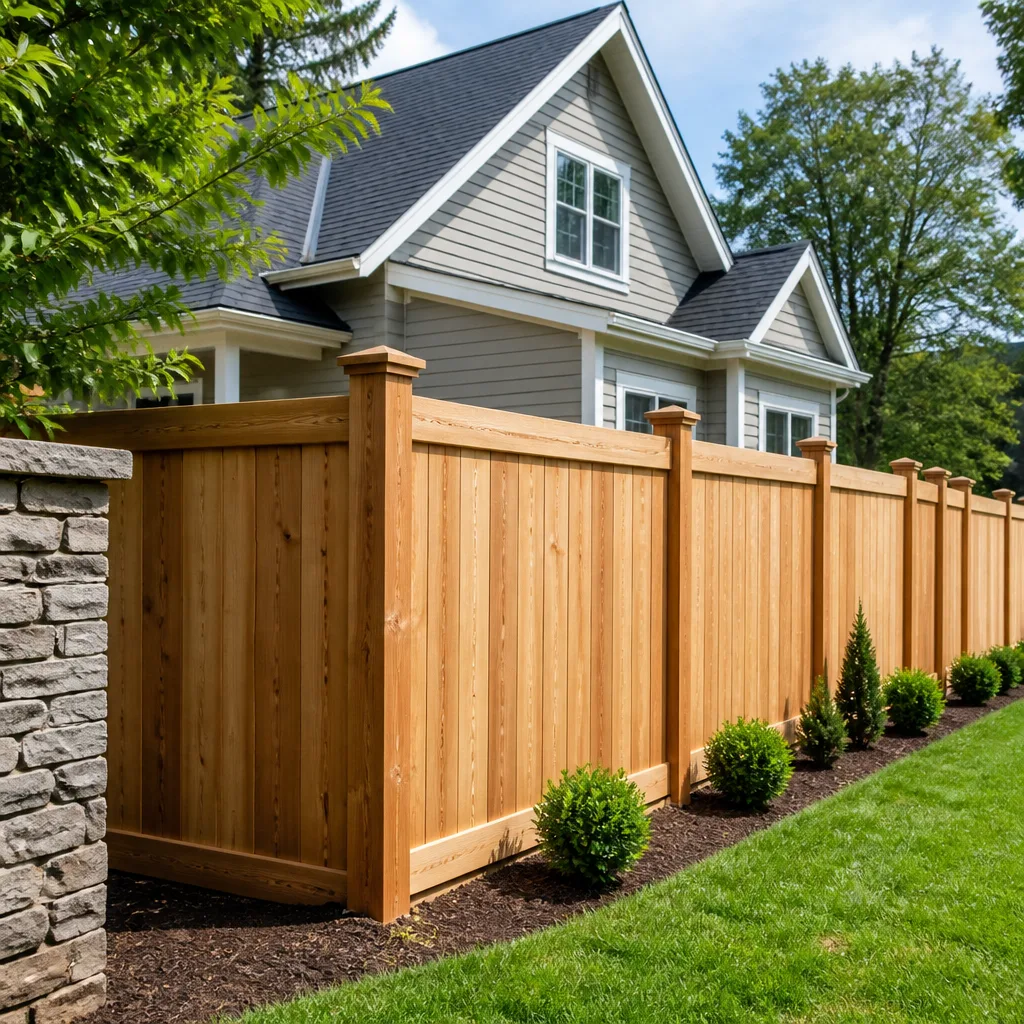
Styles & brands we work with
Signs Your Dvele Home Additions & ADU Is Failing
- Gap opening between original wall and addition. Fort Worth’s clay soil expands in spring rains and contracts through August heat. Two structures on different footings move independently, and a gap wider than 1/4 inch means the foundation connection wasn’t engineered for that movement.
- Water staining at the transition point. The lapping sequence on Dvele’s weather barrier follows a specific order. Get it backwards, and every rainstorm drives water behind the panel seams. Staining shows up fast, but the rot behind the drywall has usually been cooking for months.
- Doors sticking only on the addition side. This isn’t the humidity causing normal wood movement. An addition pulling on the original structure transfers force through headers and plates, and doors are the first thing to bind.
- Drywall cracks radiating from upper corners. Hairline cracks at the ceiling-wall junction of the addition point to differential settlement, not bad tape work. The crack pattern follows the stress line where two structures fight each other.
- HVAC can’t hold temperature in the new space. Dvele homes are built tight. A code-minimum addition with fiberglass batts and no continuous insulation breaks the thermal envelope, and the original system now has to condition a leaky box. Your energy bill tells the story before the thermostat does.
See the difference
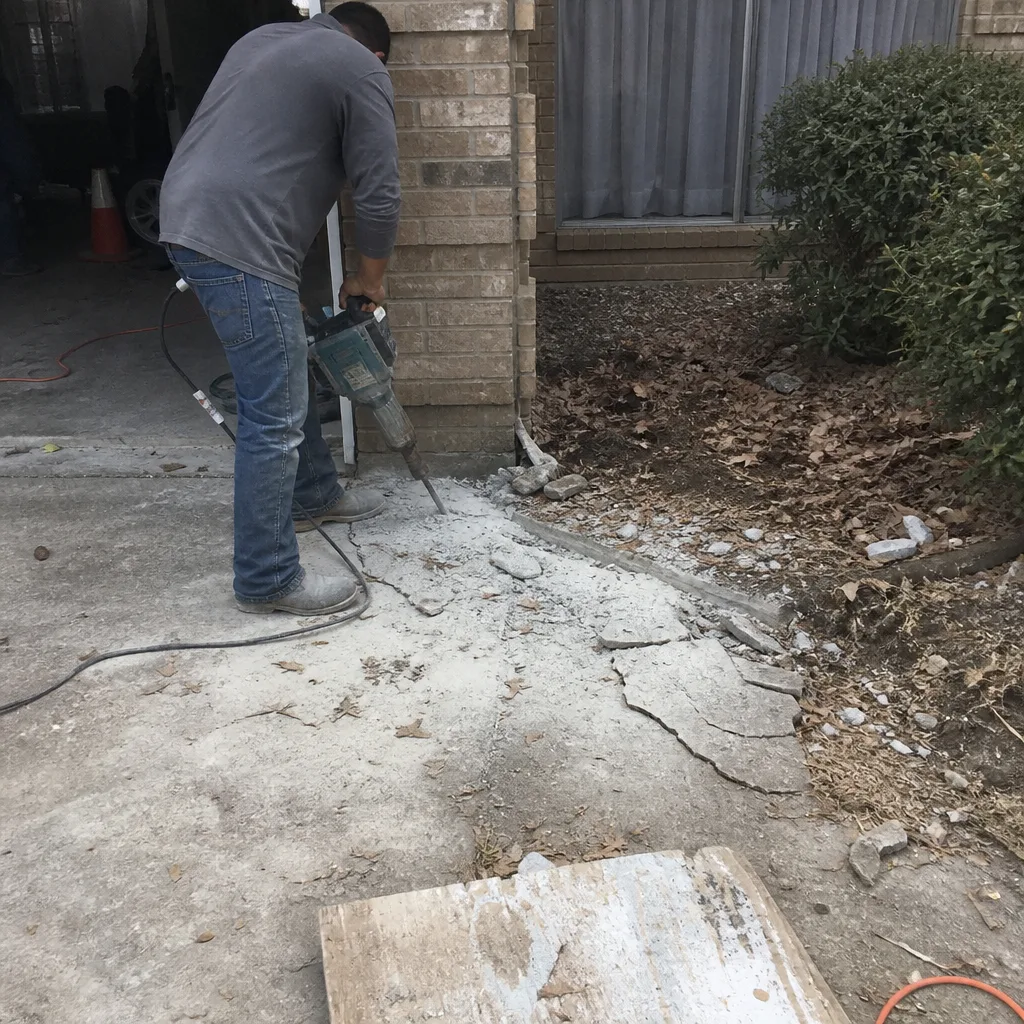 Before
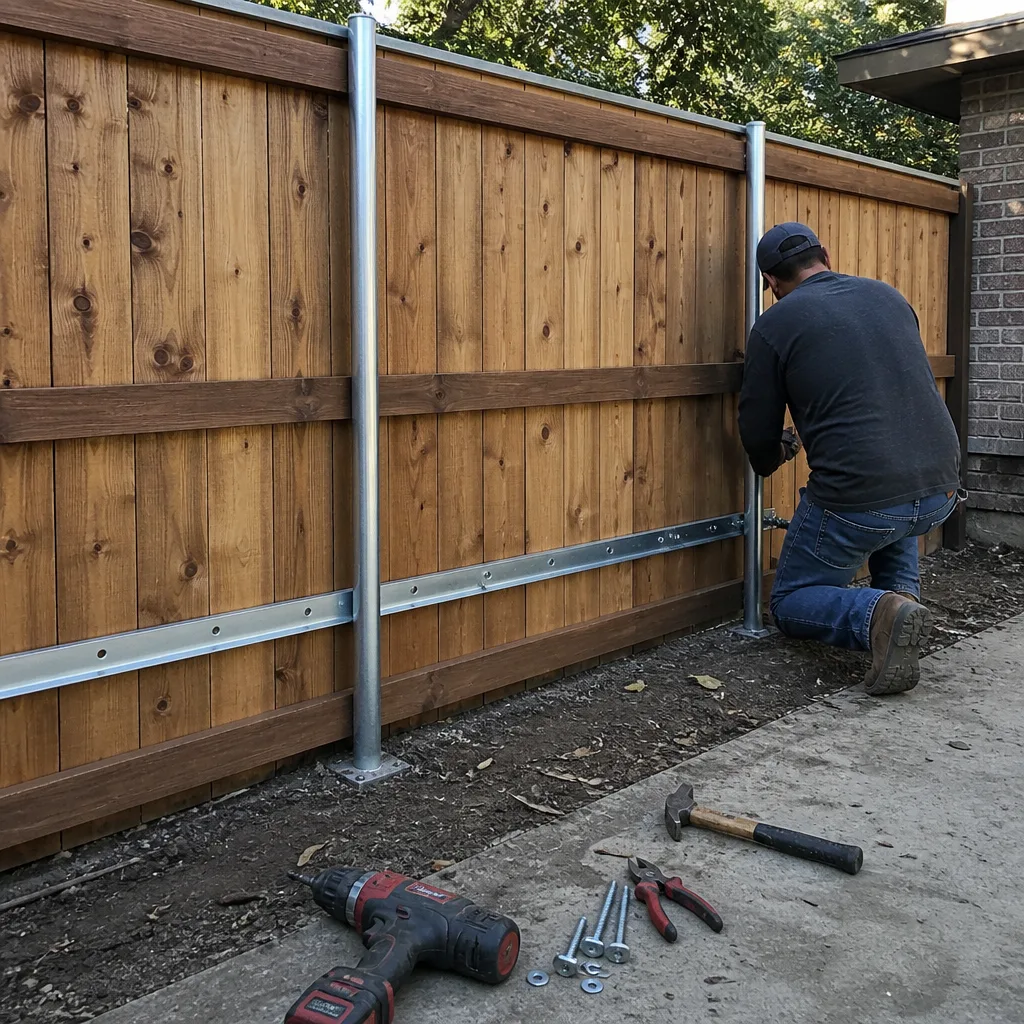 After
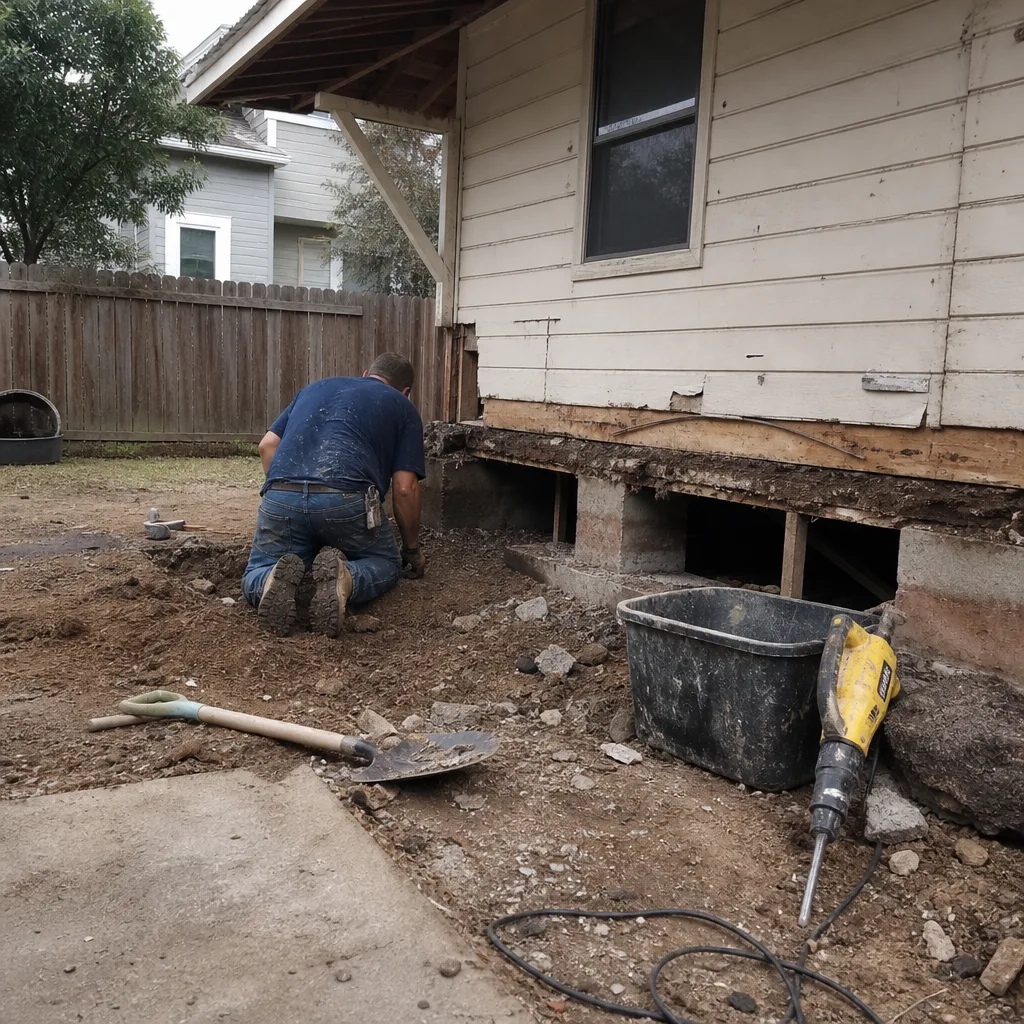 Before
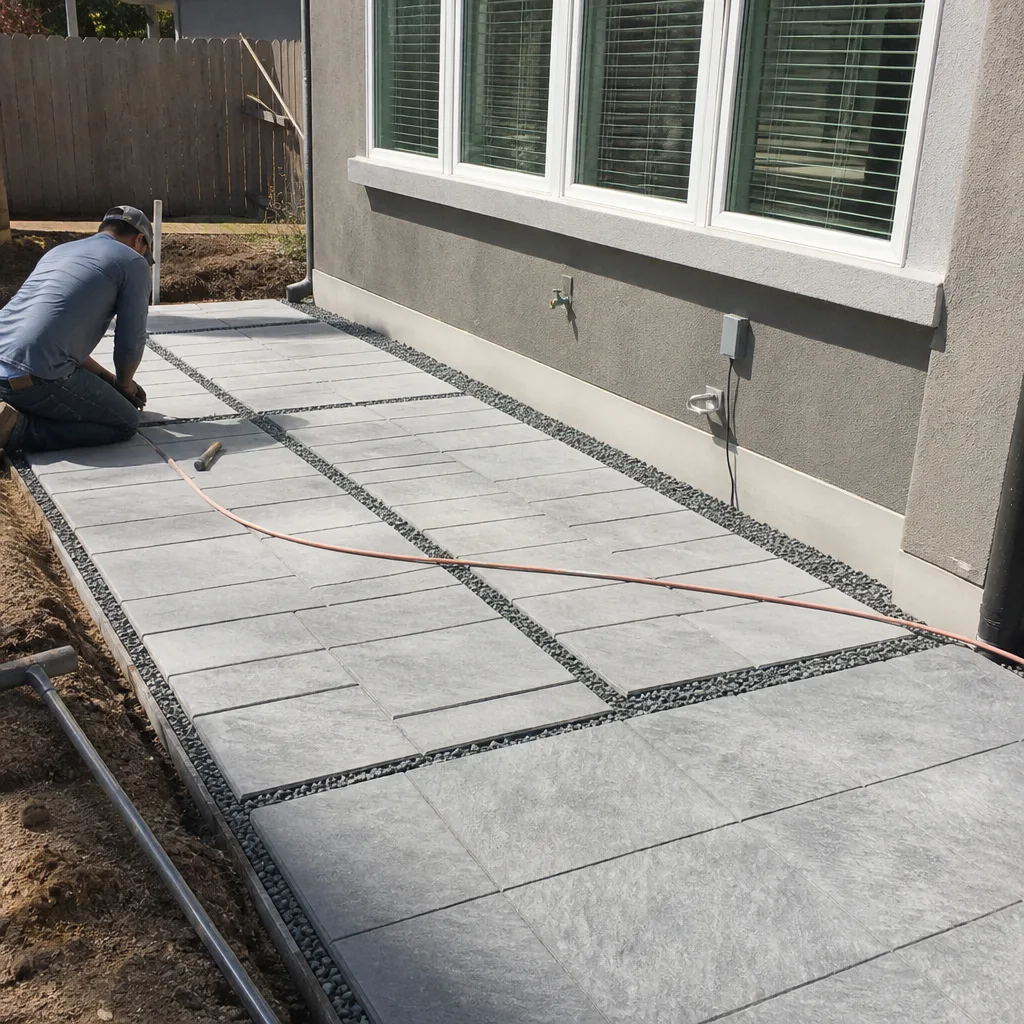 After
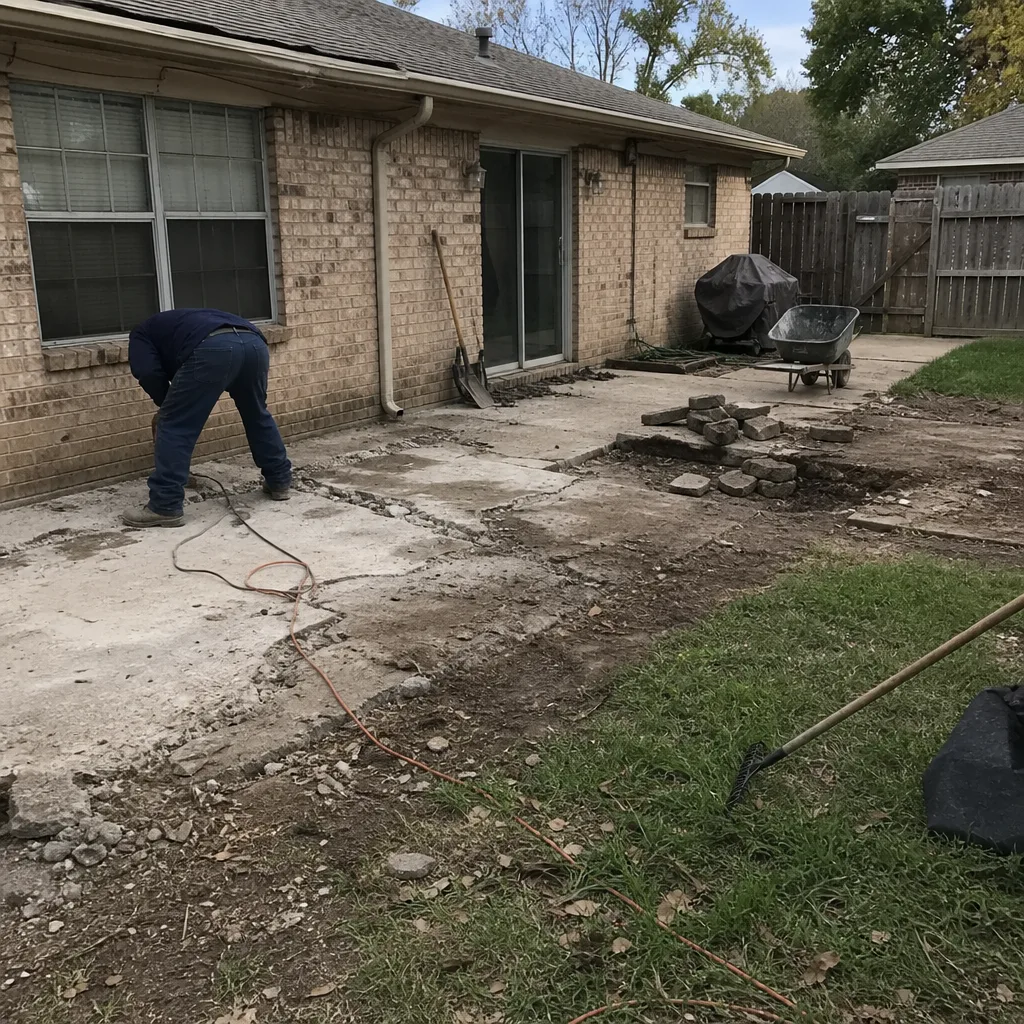 Before
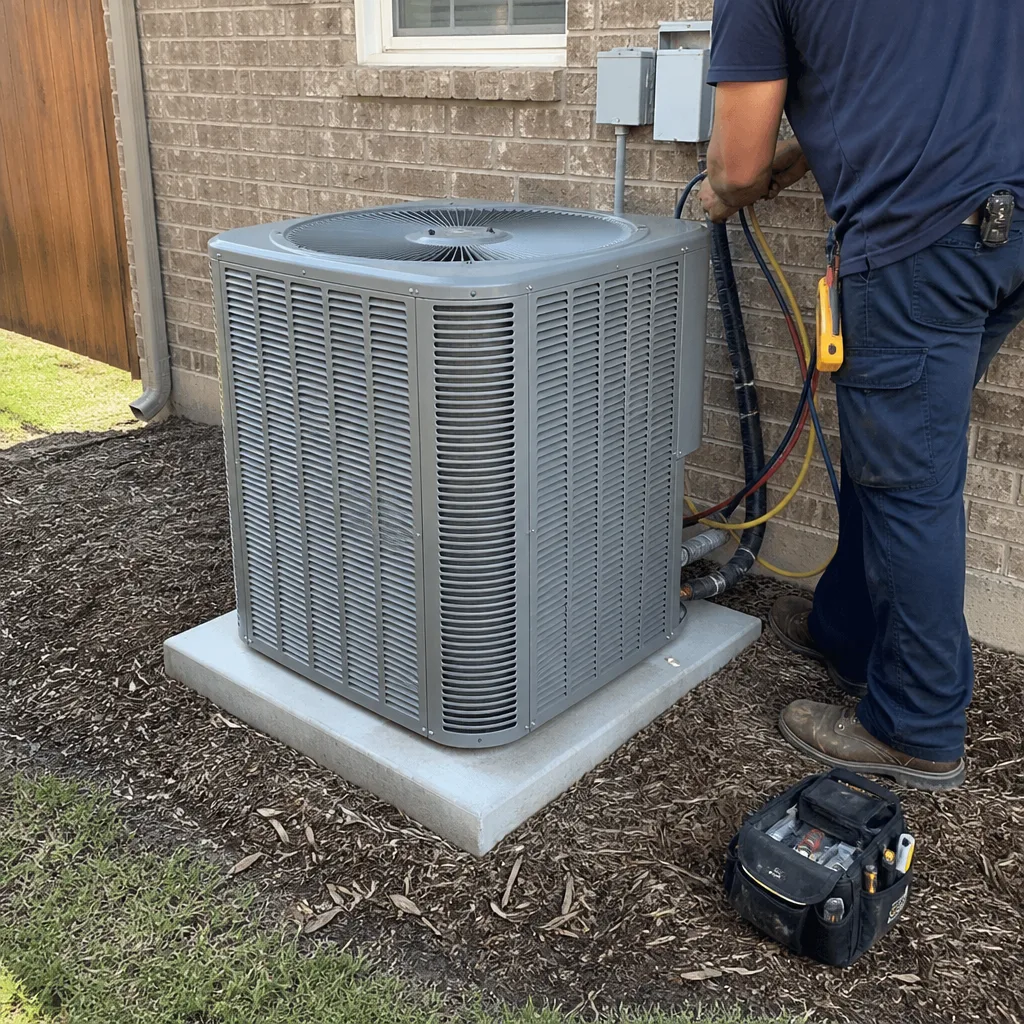 After
Replacement Cost & What’s Included
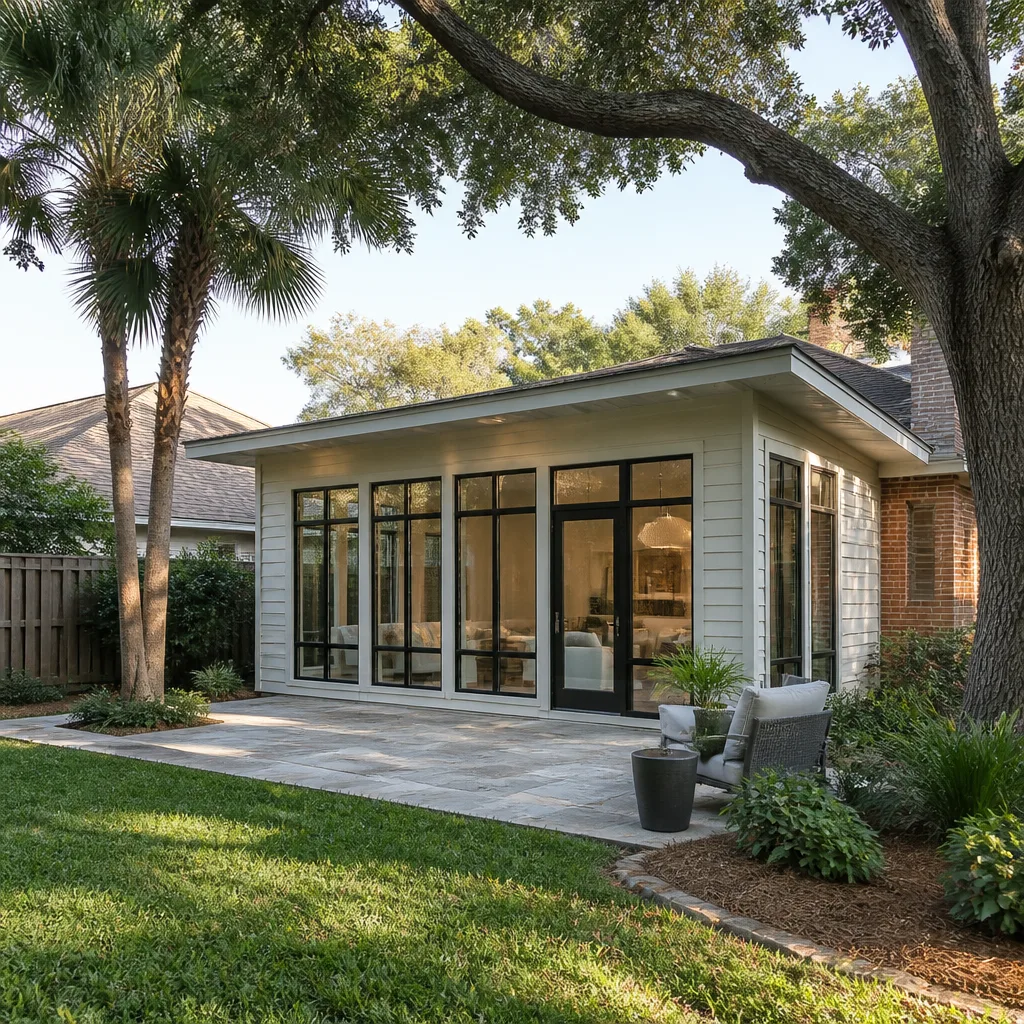
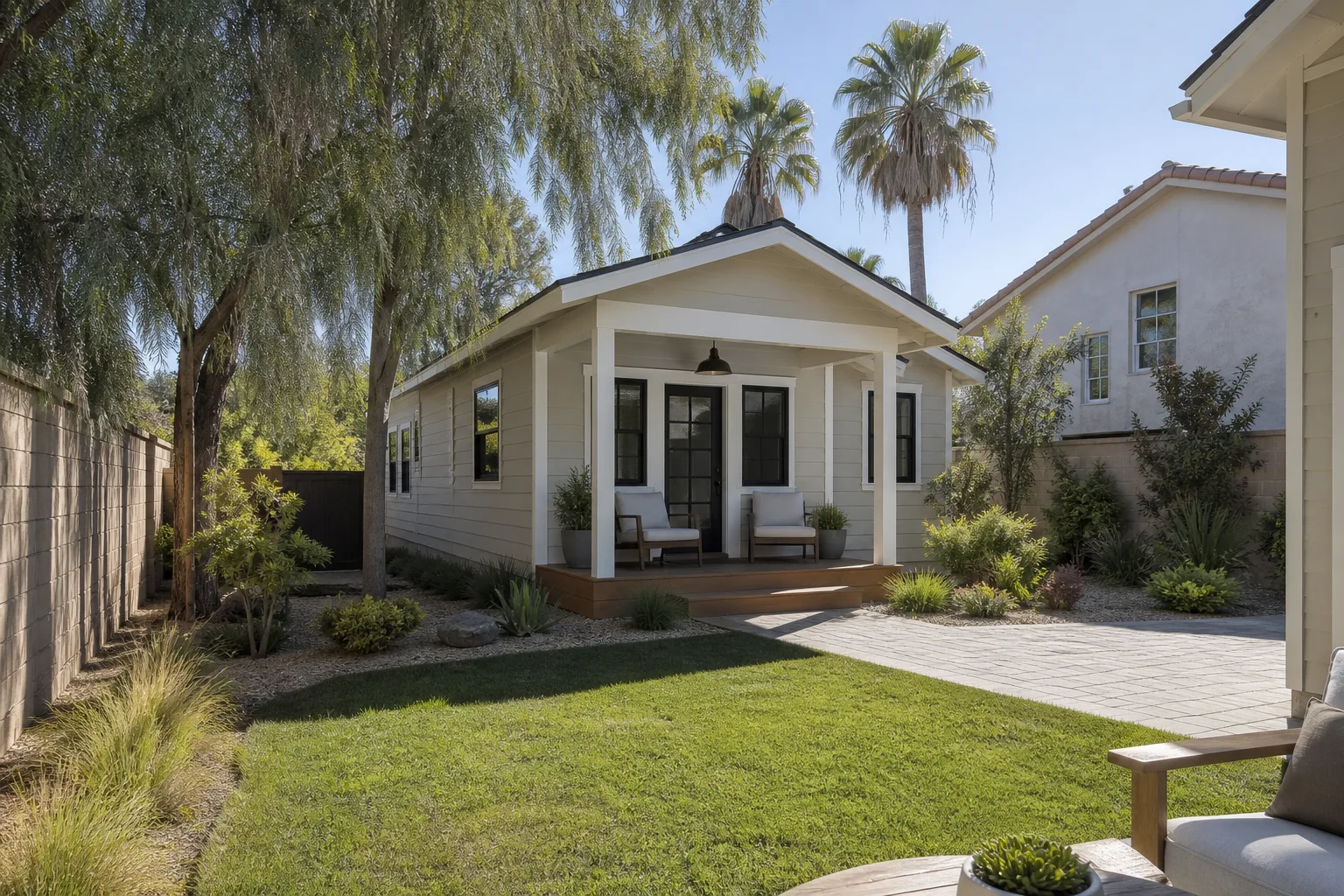
In Fort Worth, a Dvele home addition runs $45,000 to $130,000 on the main structure. A detached ADU starts around $90,000 and goes to $220,000 once you add a kitchen, bath, separate utilities, and site work like grading and trenching. Garage conversions land between $30,000 and $80,000 depending on whether the slab needs raising and how much plumbing has to be routed.
Every quote we write includes the permit fees, engineered drawings, foundation or pier work, framing, weather barrier tie-in, roofing, drywall, finish carpentry, paint, and a walkthrough with Luca Romano before we call it done. The price on your invoice matches the price you approved before demo started, and the 365-Day Done Right Promise covers the work for a full year after close-out. If it’s not done right, we make it right, in writing, on every project.
DIY or Call Us?
You can reasonably inspect the transition point yourself: look for visible gaps at the wall junction, check for staining under windows in the addition, and note whether doors stick seasonally. Those observations help us quote accurately. What you shouldn’t do is start cutting into a Dvele panel wall or removing the exterior cladding. Those panels carry structural load, and the steel studs inside will wreck a standard saw blade faster than you expect.
Modifying or extending a panelized wall without understanding the load path is how additions collapse and insurance claims get denied. One hard truth: Fort Worth code enforcement will red-tag an unpermitted structural project, and you’ll pay us more to undo the damage than the original job would have cost. Call (682) 841-6652, tell us what you’re seeing, and we’ll send someone who has actually framed against Dvele panels before. Estimates are free, and the price you get is the price you pay.
FAQs
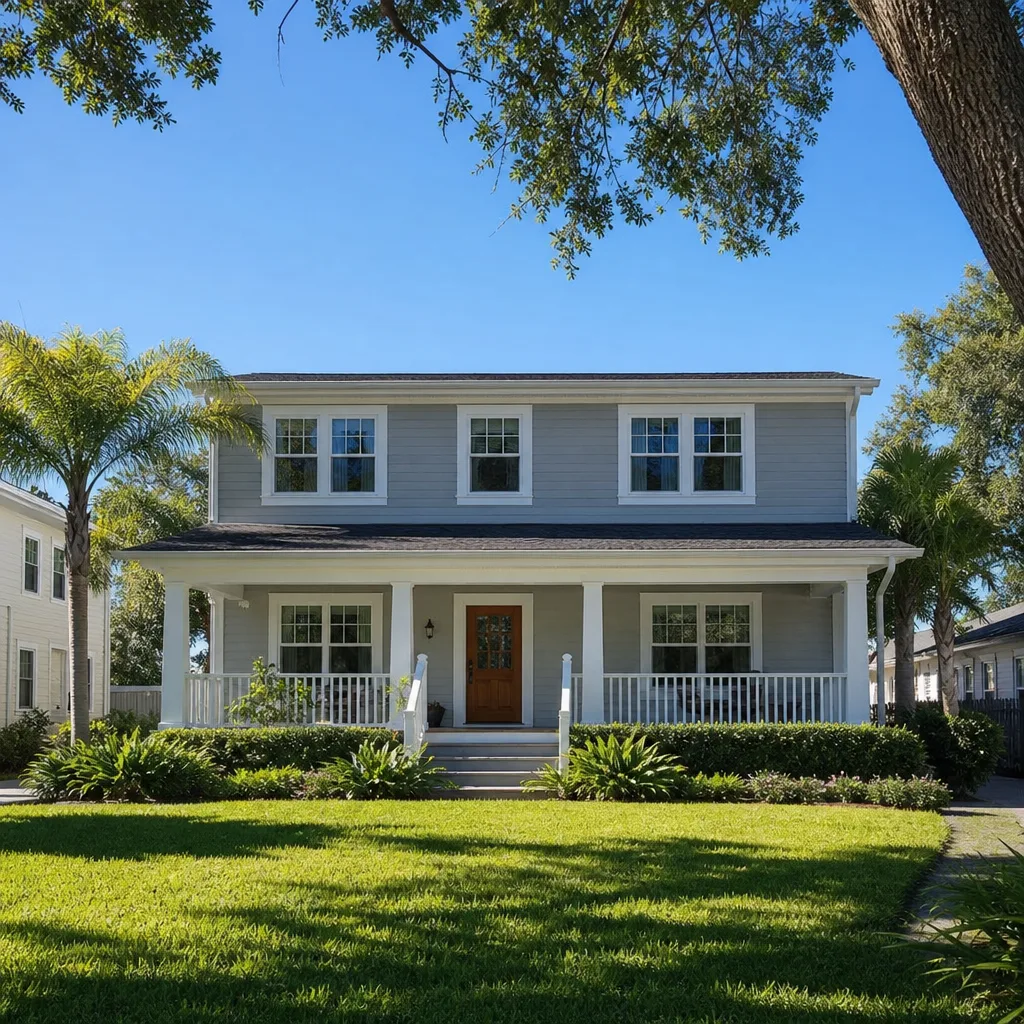
A properly tied-in Dvele addition in Fort Worth should last 50+ years structurally, same as the original build. The failure point is always the connection, not the materials. Match the foundation movement, lapping sequence, and thermal envelope, and the addition performs like it was part of the original panel order.
Sometimes. If the gap is under 1/2 inch and the weather barrier is still lapped correctly, we can inject flexible sealant, retighten the connection hardware, and replace the transition flashing. If water has been getting behind the panels for more than a season, you’re looking at rot repair and panel replacement on the affected sections. Call (682) 841-6652 and we’ll tell you which one you have after a walkthrough.
A small addition runs 8 – 12 weeks from permit approval to final inspection. A detached ADU runs 4 – 6 months with utility trenching and site work. Fort Worth’s permitting office adds 2 – 4 weeks to any structural project, so we file the day you sign the contract and don’t wait around. The Relay Visibility Guarantee means you get photo updates as the work progresses, not a voicemail that says “we’ll be out next week.”
We stock the steel studs, connection clips, insulation boards, and weather barriers needed to tie into Dvele’s panel system at our Fort Worth shop. That means we don’t wait on Dvele’s supply chain for standard components. If your specific model needs a proprietary piece we can’t source aftermarket, we tell you that before you spend a dollar, with the exact lead time. No surprises, and no “oh, that part’s backordered” after demo day.
Written by Luca Romano, Owner & Lead Remodeler, Sawyer Remodel Fort Worth at Sawyer Remodel Fort Worth, serving Fort Worth and nearby areas.