
Free written scope consultation - allowances, timeline, and change-order rules on paper before a single trade is scheduled
James Hardie Home Additions & ADU: The Fort Worth Owner’s Guide
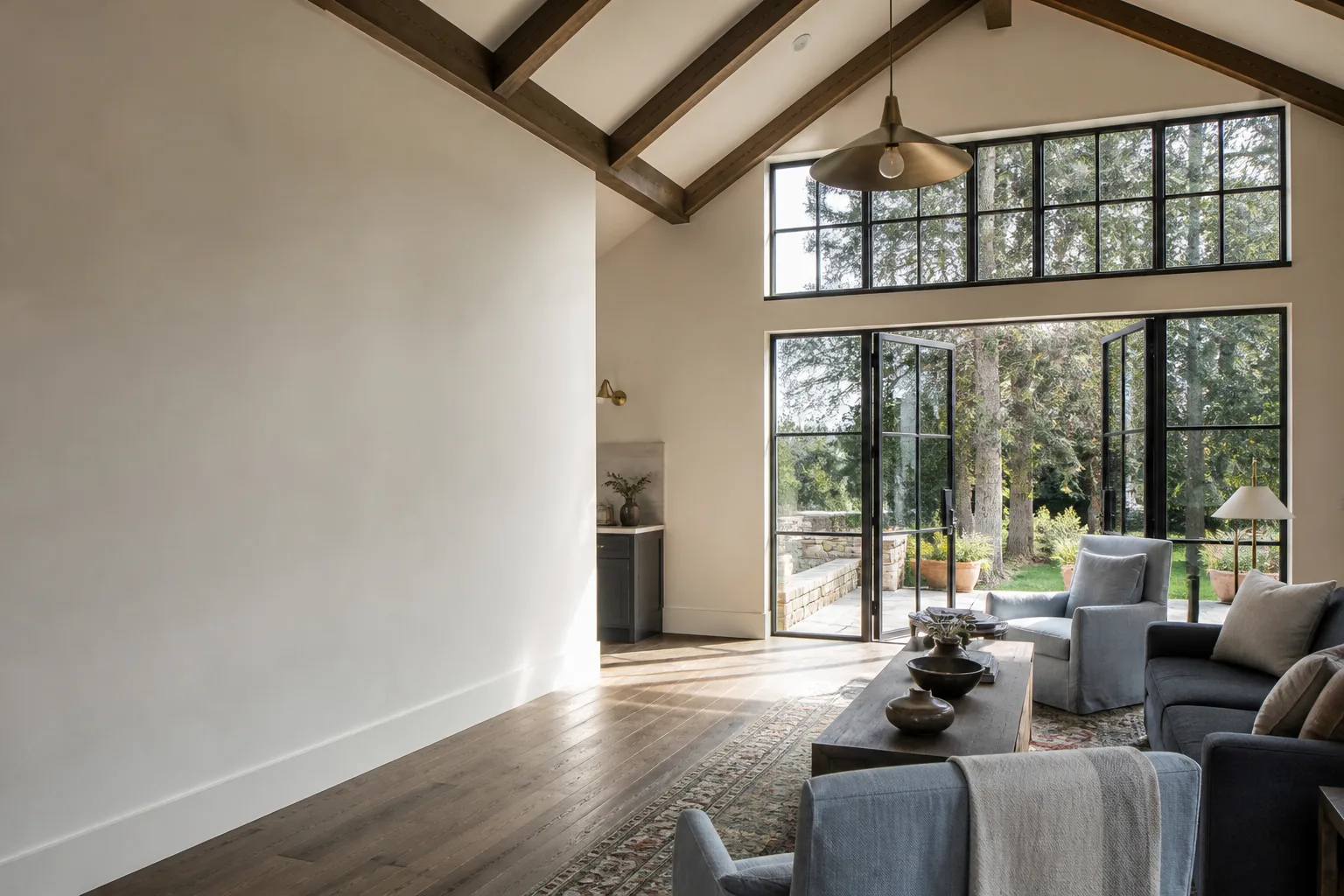
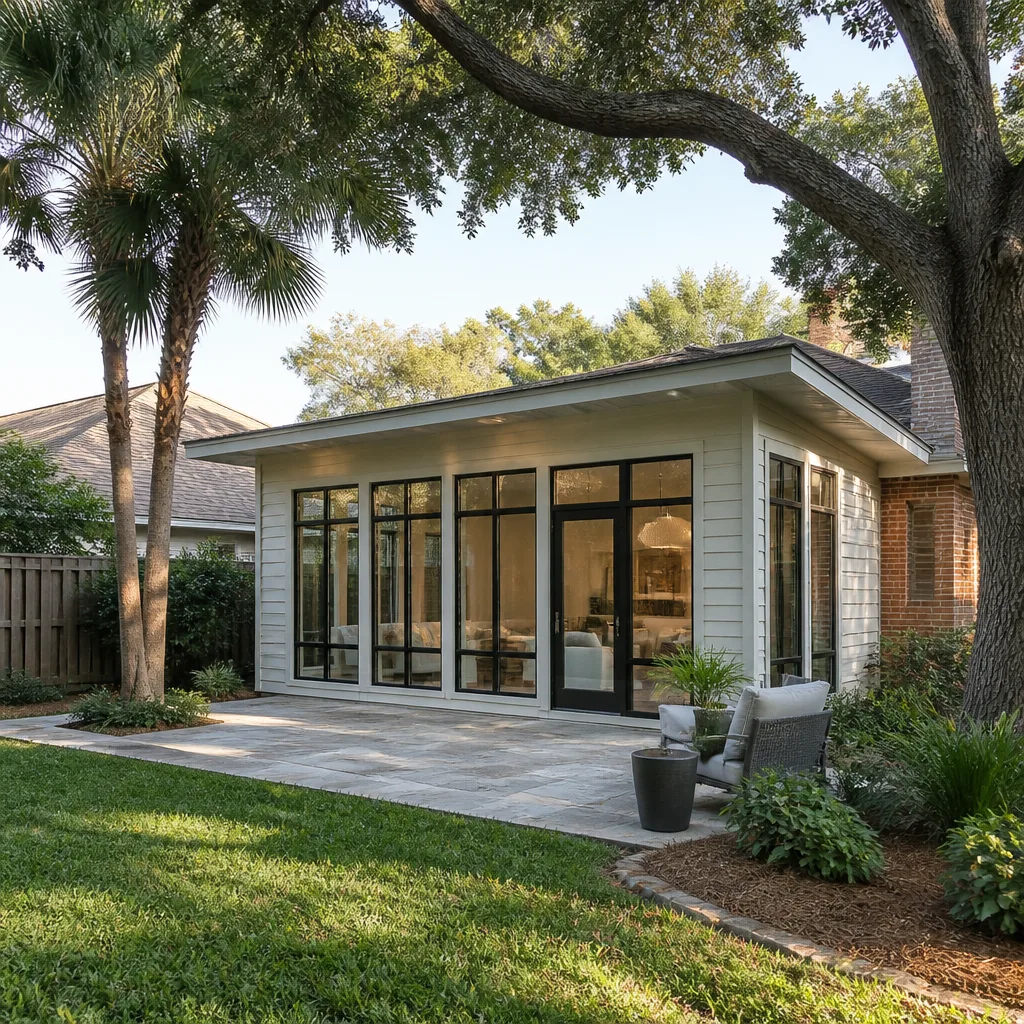
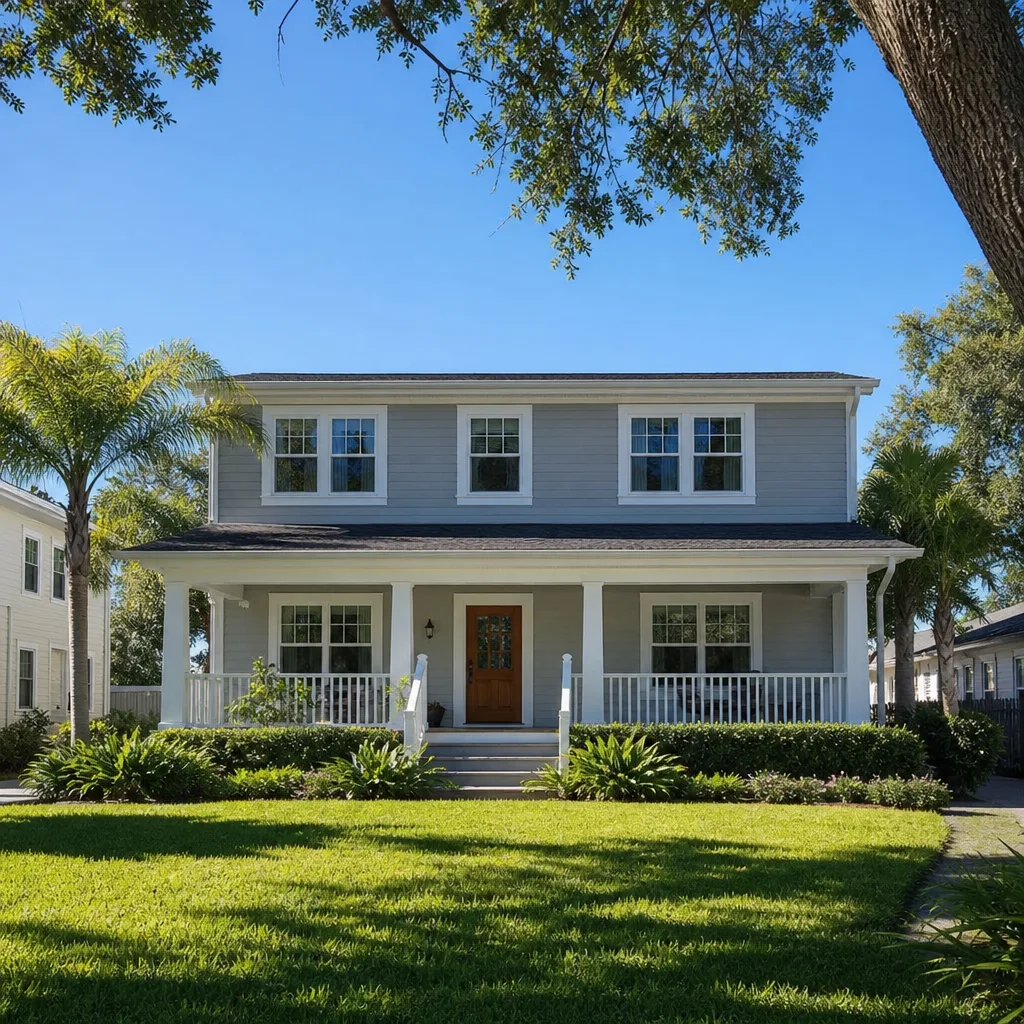
Adding square footage with a James Hardie-clad home addition or ADU in Fort Worth typically runs $45,000 to $130,000 installed, depending on foundation work, roofline tie-ins, and Hardie siding scope. We stock the full James Hardie plank, panel, trim, and soffit line locally, so we’re not waiting on a distributor when your addition is framed and ready for cladding. Most owners call us because their existing Hardie siding has cracked at a seam after the notorious North Texas clay soil shifted the addition’s slab, or because they’re planning an ADU and want the exterior to match the main house exactly.
If you’re seeing hairline cracks running from a window corner on your existing addition, buckling planks, or gaps opening at the trim line, that’s the Hardie doing what it does under Fort Worth’s freeze-thaw and clay-soil movement: the siding itself is fine, but the installation details matter more than the product. We’ll walk you through what’s failing and what it costs before you spend a dime.
Which James Hardie Models This Applies To
We install and match James Hardie’s full residential line in Fort Worth: HardiePlank lap siding, HardiePanel vertical siding, HardieTrim boards, HardieSoffit, and HardieShingle. The compatibility gotcha most owners hit is this: James Hardie changed their lap siding profile dimensions slightly when they moved production to newer lines, so if your addition was clad before roughly 2015, the plank you buy at the lumberyard today may not sit flush against the old profile. We measure the actual installed plank thickness and exposure on your existing walls before ordering, because Hardie’s “5/16-inch” nominal thickness varies by a few thousandths between production eras, and that gap shows up as a ridge at the seam.
For OEM versus aftermarket: Hardie makes their own trim, and we use OEM HardieTrim almost exclusively on additions because the color and texture profile are matched to the plank line at the factory. Third-party fiber cement trim exists, but we’ve pulled too many gray, chalky aftermarket boards off Fort Worth homes to recommend them for anything visible. Paint-grade aftermarket works fine for soffit on the back side of the house. For fasteners and flashing, we use the manufacturer-specified corrosion-resistant screws and the full Hardie joint flashing system, not generic builder-grade substitutes. Hardie’s warranty stays intact only when the full system is installed to their written spec.
Styles & brands we work with







Signs Your James Hardie Home Additions & ADU Is Failing
- Cracks running diagonally from window and door corners. This is the classic Fort Worth clay-soil signature. The slab under your addition heaves in wet years and settles in dry ones, and the Hardie plank has near-zero flex. The crack means the framing moved and the siding didn’t. You’ll need the framing checked before re-cladding, or the new Hardie cracks in the same spot within two seasons.
- Gaps opening at butt joints where two planks meet. Hardie expands and contracts with temperature, and Fort Worth swings 40 degrees in a day sometimes. If the original installer didn’t leave the factory-specified gap and use the proper joint flashing, the planks push against each other and either buckle or pull apart. Caulking over it just traps water.
- Trim boards pulling away from the corner posts or around windows. HardieTrim is a great product, but it’s heavy and it needs proper backer support and fastener spacing. When trim starts to sag or separate, water gets behind it and starts working on your sheathing. By the time you see the gap, there’s usually rot behind it.
- Chalky, faded, or peeling paint on the south and west exposures. Fort Worth sun is relentless on fiber cement. Hardie’s factory finish is good, but after 10 to 15 years of Texas UV, even well-maintained Hardie needs a proper repaint. If the paint is gone and the plank face is starting to erode, you’re past maintenance and into replacement territory.
- Soft spots or staining along the bottom course of planks. Hardie requires a minimum clearance above grade and roof-to-wall flashing at intersections. When an addition’s grade was backfilled too high or the roofline flashing was done wrong, the bottom course wicks water and fails from the ground up. We see this a lot on Fort Worth additions that were permitted as DIY or done by out-of-town crews unfamiliar with local drainage patterns.
See the difference
 Before
 After
After Before
 After
After Before
 After
AfterReplacement Cost & What’s Included
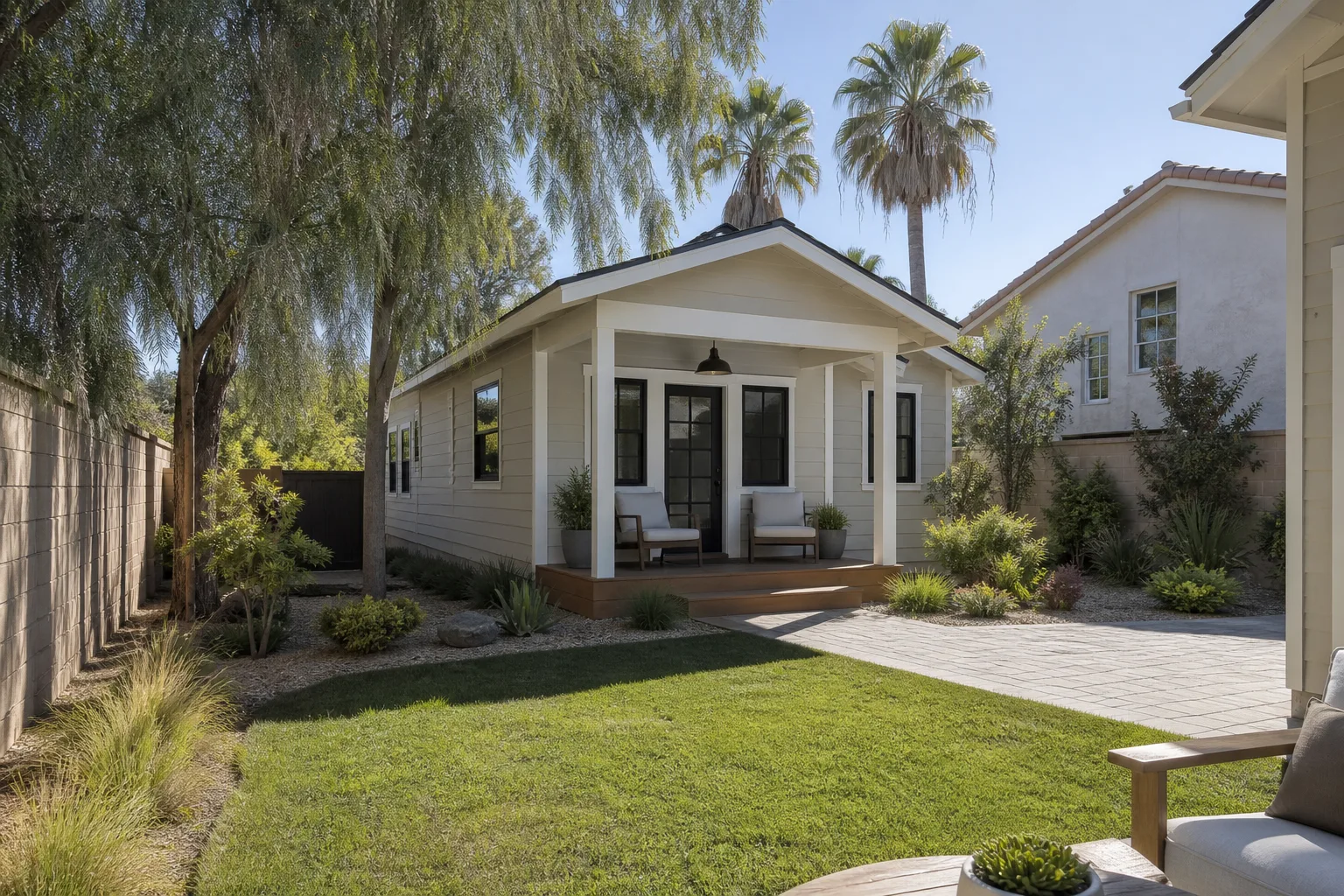
For a full James Hardie home addition in Fort Worth, plan on $45,000 to $130,000 for the complete project, from foundation through framing, insulation, drywall, electrical, HVAC tie-in, and Hardie cladding. An ADU runs $90,000 to $220,000, whether it’s a detached backyard unit or a garage conversion. The spread comes down to size, foundation type (pier-and-beam versus slab-on-grade), kitchen or bath scope inside the new space, and how much of the existing exterior has to be disturbed to tie the new roofline in properly.
Every quote we write for a Fort Worth addition includes a line-item breakdown before you sign anything. You’ll see the Hardie siding and trim separated out from the framing, the electrical, and the finishes. The price we put in writing is the price you pay. If something changes mid-project because we open a wall and find rotted sheathing, you’ll know before we spend a dollar more than we promised. The 365-Day Done Right Promise applies to the entire job, siding included: if the Hardie cracks at a seam within a year of completion, we’re back out and fixing it. No invoice, no argument.
DIY or Call Us?
Home addition framing and Hardie cladding is not a weekend project. The Hardie installation manual runs over 80 pages because the fastener patterns, joint spacing, flashing details, and clearance specs are specific, and the product’s warranty depends on following them exactly. Fiber cement board is also heavy and brittle: a 12-foot HardiePlank lap board weighs around 18 pounds, and when it snaps, the edge is sharp enough to lay open a hand. We wear cut-resistant gloves and respirators on every Hardie job, and we still treat the material with respect.
What you can safely do: inspect your existing addition for the cracking and gap signs above, keep sprinkler heads pointed away from the siding, and maintain a clear 6-inch gap between soil and the bottom plank course. What you shouldn’t do: attempt to re-clad an addition yourself, even if you’ve watched a few framing videos. The slab movement under Fort Worth additions means the framing repairs underneath the siding are usually the real job. Call us at (682) 841-6652 and we’ll put eyes on it and give you a written number.
FAQs
Properly installed Hardie siding on a properly supported Fort Worth addition lasts 30 to 50 years before the boards themselves need replacement. The failure we see is almost never the Hardie product aging out; it’s the framing, flashing, or slab movement behind it, which shortens the effective life of the cladding to 10 to 20 years in the worst soil areas. Call (682) 841-6652 and we’ll tell you honestly which category your addition falls into.
Yes, in many cases. A single cracked plank or a damaged trim board can usually be swapped without redoing the whole wall, as long as the underlying framing is sound. If the cracking is widespread and pattern-based, you’re looking at a framing issue first and a siding replacement second. We only recommend the repair that fixes the cause, not the symptom.
A small bump-out addition with Hardie siding typically takes 6 to 10 weeks from foundation to final paint in Fort Worth, depending on permitting with the city and weather. A full ADU runs 3 to 6 months. We give you a written schedule before work starts, and The Relay Visibility Guarantee means you get photo updates at every stage, live arrival windows for every crew day, and a written price that doesn’t move unless you change it.
We stock the common HardiePlank widths, HardiePanel sheets, HardieTrim profiles, and color-matched flashing at our Fort Worth shop. Uncommon colors and specialty profiles are ordered direct from James Hardie’s Dallas distributor, which adds about 3 to 5 business days. If you’re matching an older addition, we’ll pull a physical sample from your wall before ordering anything.
No. The written price we hand you before demolition is the price you approve. If we open a wall and find latent damage, we stop work, show you photos, and give you a written change order for the additional scope before we proceed. You approve it or you don’t. The work talks. We just back it up.
Written by Luca Romano, Owner & Lead Remodeler, Sawyer Remodel Fort Worth at Sawyer Remodel Fort Worth, serving Fort Worth and nearby areas.


