

Free written scope consultation - allowances, timeline, and change-order rules on paper before a single trade is scheduled
Oldcastle Home Additions & ADU: The Fort Worth Owner’s Guide
If you’re planning a home addition or ADU in Fort Worth and your existing structure came from Oldcastle, you’re likely wondering whether the new work needs Oldcastle-specific components and what that means for your budget. The short answer: in 2026, a full home addition in Fort Worth runs $45,000 – $130,000, and an ADU typically lands between $90,000 – $220,000 depending on square footage, foundation work, and whether you tie into existing Oldcastle concrete or masonry elements. Most owners call us after a foundation inspection flags settling issues near where the old structure meets the new build, or when they realize the existing Oldcastle CMU block walls don’t line up cleanly with standard residential framing.
This page covers what you need to know before adding onto an Oldcastle-built home, how we approach the tie-in, and what it’ll cost. We’re Sawyer Remodel Fort Worth, an independent remodeling company based in Fort Worth. We’re not affiliated with Oldcastle, but we work around their products constantly and know exactly what to expect when an addition meets an existing Oldcastle structure.
Which Oldcastle Models This Applies To
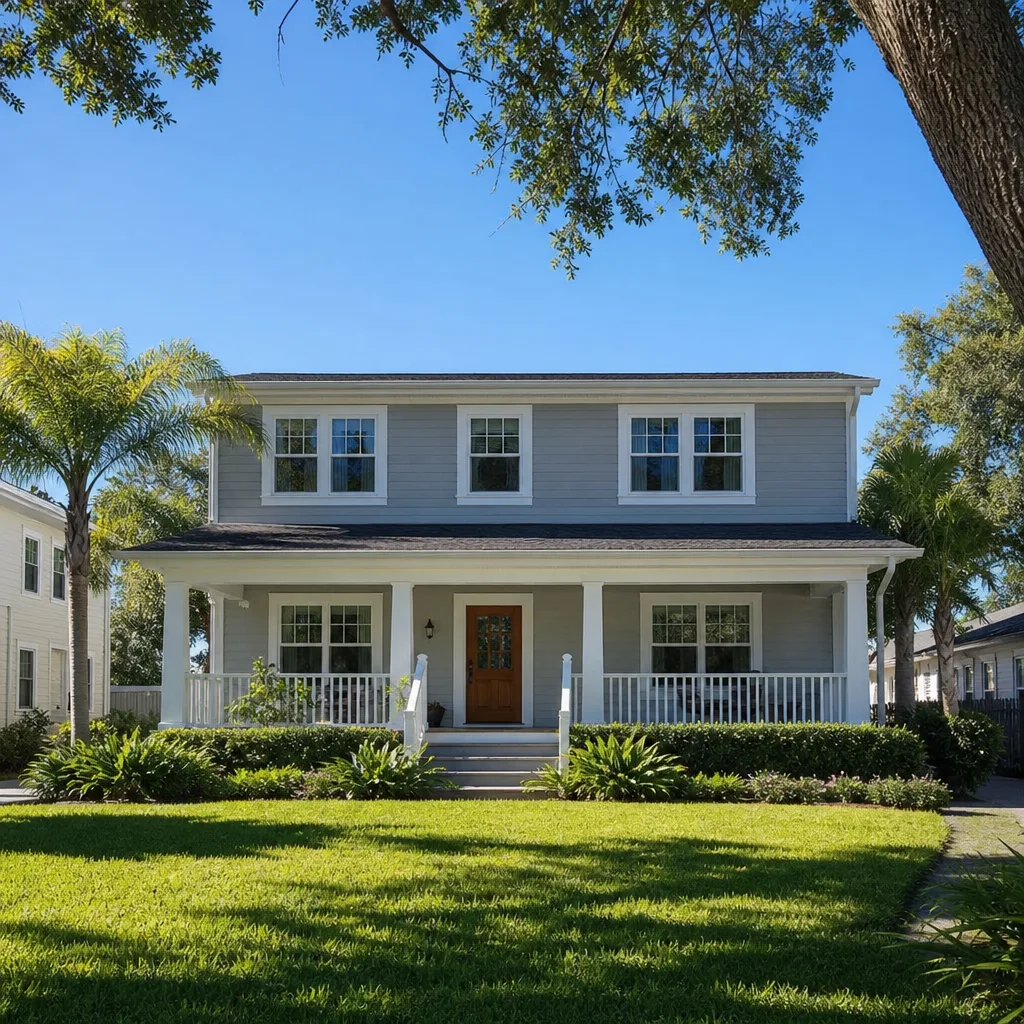
Oldcastle manufactured concrete and masonry products under a few recognizable lines in Texas residential builds. If your Fort Worth home was built between the 1990s and early 2010s, you’ll likely find one of these:
- Oldcastle APG Belgard hardscapes and retaining walls – common around Fort Worth foundations and patio structures. These use interlocking CMU blocks that don’t always accept standard anchor bolts the way poured foundations do.
- Oldcastle Precast foundation panels and storm shelters – prefab panels that sit on a poured footing. Tie-in work requires mapping the existing panel joints before we frame new walls.
- Oldcastle Infrastructure utility boxes and vaults – mostly commercial, but some larger Fort Worth properties have them. These rarely affect residential additions directly.
Here’s the compatibility gotcha most homeowners don’t see coming: Oldcastle CMU block dimensions are nominal, not exact. A “standard” 8x8x16 block actually measures 7-5/8 x 7-5/8 x 15-5/8 inches. When you frame an addition next to an existing Oldcastle block wall, that 3/8-inch difference compounds across a 20-foot run. We’ve seen additions where the new wall was off by nearly two inches at the far end because someone didn’t account for it. You fix this with a scribed transition strip or a masonry-to-framing anchor detail, but it has to be planned before the lumber gets cut, not after.
For most Fort Worth additions and ADUs, you don’t need OEM Oldcastle parts specifically. What you need is the right structural connection detail where new work meets existing Oldcastle block. We spec anchors, ties, and flashing based on the actual measured dimensions of your existing structure, not the catalog numbers. That’s the difference between an addition that settles cleanly and one that cracks along the joint line within two years.
Styles & brands we work with







Signs Your Oldcastle Home Additions & ADU Is Failing
Most of what we see in Fort Worth falls into five patterns. If you’re noticing any of these, the underlying issue is usually the same: water, movement, or a bad tie-in.
- Cracks running diagonally from where old block meets new framing. This is almost always differential settling. Oldcastle block foundations and new poured footings move at different rates in Fort Worth’s clay-heavy soil, and the crack is the structure telling you the two halves aren’t moving together.
- Efflorescence (white chalky residue) on interior block walls near the addition. Water is moving through the masonry. Oldcastle block is porous by design, but if the addition flashing wasn’t lapped correctly, moisture wicks inward and crystallizes on the surface.
- Doors or windows in the original structure that stick after the addition went in. The new load changed how the old walls carry weight. This isn’t cosmetic. It means the header details or footing were undersized for what the addition introduced.
- Gaps opening at the ceiling-wall intersection in the original part of the home. If the addition’s roof trusses weren’t tied back to the original top plate correctly, the roof load pushes outward and separates the junction.
- Musty smell or visible mold along the joint between old and new construction. The flashings failed or were never installed. Water enters the wall cavity, sits in the insulation, and eventually shows up as a smell. By the time you smell it, the framing behind the drywall is already compromised.
Replacement Cost & What’s Included
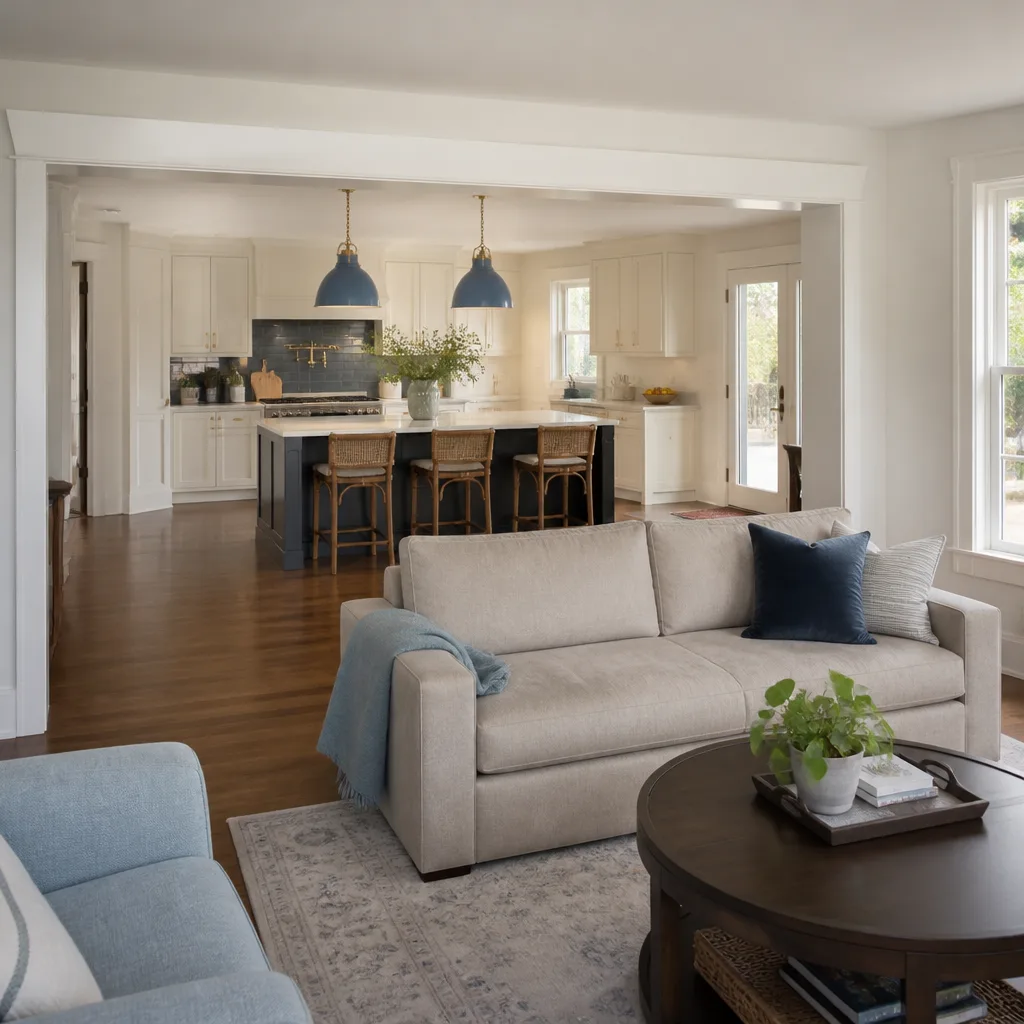
Home additions in Fort Worth run $45,000 – $130,000, and an ADU runs $90,000 – $220,000. These aren’t random numbers. They reflect what we price every week in this market. A 400-square-foot bump-out with a simple roofline and no plumbing lands near the bottom of the range. A 1,000-square-foot ADU with a full kitchen, bathroom, separate meter, and site drainage work hits the top and sometimes beyond if your lot has slope or access issues.
Here’s what drives the price on an Oldcastle tie-in specifically:
- Mapping the existing masonry. Before we frame, we measure and photograph every block course along the tie-in line. If the existing block is out of square (and it almost always is on older Fort Worth builds), we document it and build the correction into the framing plan. This adds a few hours of field work but prevents the two-inch drift problem.
- Footing inspection and possible underpinning. Fort Worth’s clay soil moves. If the existing Oldcastle footing is shallow or the new one needs to be deeper to meet current code, that’s a line item. We don’t guess at this. We dig, we look, and we tell you what’s actually there.
- Flashings and transitions. The joint between old block and new framing needs proper step flashing, a weep path, and a sealant detail that can handle Fort Worth’s freeze-thaw cycles. Skipping this is the number one way we see additions fail within two years.
Every estimate we write includes a line-by-line price for materials, labor, disposal, and permit work. The number you approve is the number on the final invoice. No change orders because we “didn’t account for” something we should have caught in the walkthrough. If we miss something, that’s on us, not you. And every addition we build carries the 365-Day Done Right Promise: if it’s not done right, we make it right, in writing, for a full year after we close the job out.
See the difference
 Before
 After
After Before
 After
After Before
 After
AfterDIY or Call Us?
Some parts of this you can absolutely handle yourself. Walk the exterior with a level and a flashlight. Check for cracks at the joint line, gaps around windows, and any place where caulk has pulled away from the block. If you see efflorescence, wipe it with a dry cloth and check again after the next rain. That tells you if water is actively moving through the wall.
What you should not DIY: anything structural. Adding onto an Oldcastle structure means cutting into load-bearing masonry, piercing the existing weather barrier, and tying new footings to old ones. Get the connection detail wrong and you’re looking at cracked walls, water intrusion, or a section of your roof that sags in five years. Whoever does this work should be licensed, insured, and willing to put the price in writing before the first tool is picked up. If you’re in Fort Worth and want an honest look at what your addition or ADU will cost, call (682) 841-6652. We’ll come out, measure what’s actually there, and give you a written number.
FAQs
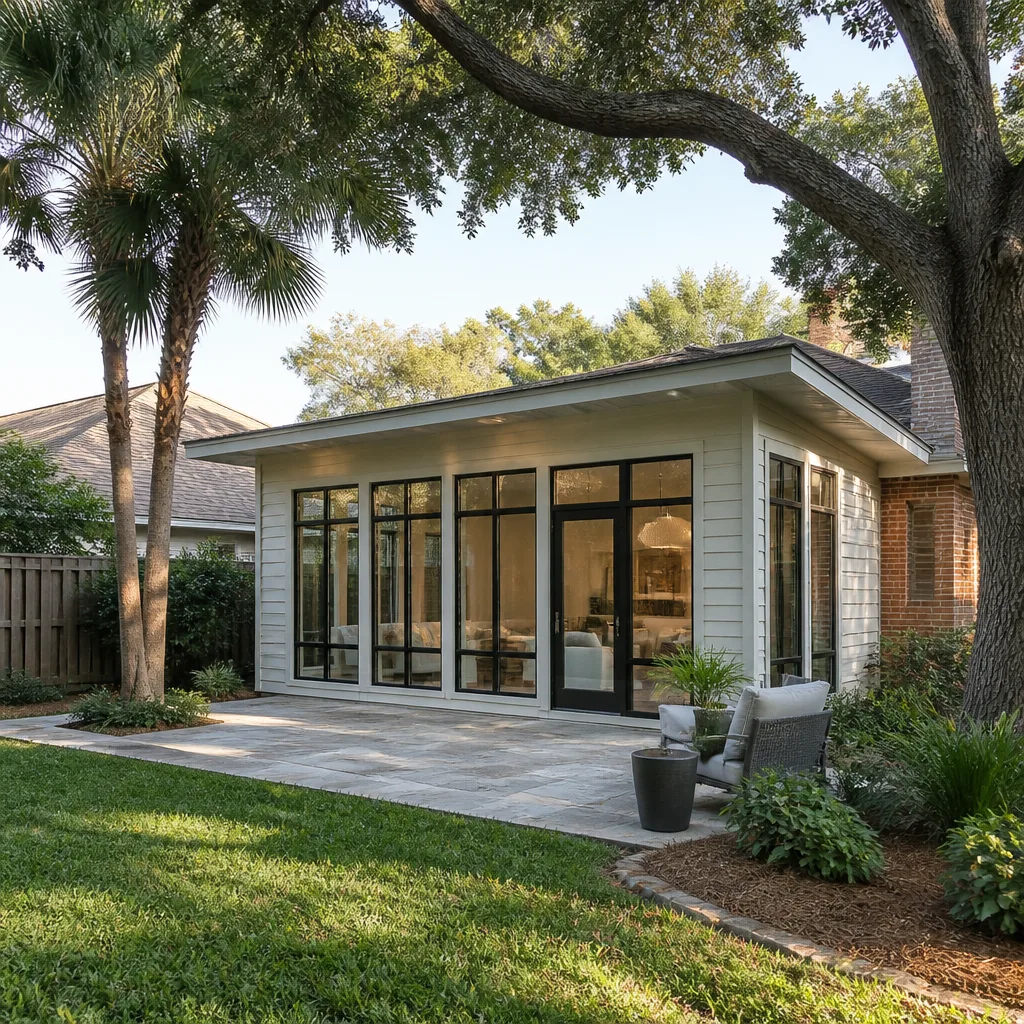
A properly tied-in addition lasts as long as the original structure, typically 50 to 80 years in Fort Worth, but the joint between old masonry and new framing needs to be inspected every 5 to 10 years because our clay soil moves more than most. Call (682) 841-6652 if you want us to take a look at yours, estimates are free.
In most cases yes, the existing structure can be repaired independently, whether that’s underpinning a footing, repointing block joints, or restoring the weather barrier, without committing to the full addition at the same time. We’ll tell you straight if the repair is a waste of money and the addition is the smarter play. Call (682) 841-6652 for an honest read.
A typical Fort Worth addition takes 3 to 6 months from first dig to final walkthrough, and an ADU runs 6 to 10 months depending on utility connections and permit turnaround. The Oldcastle tie-in work itself adds a few days at the front end for measurement and documentation, not weeks. Call (682) 841-6652 and we’ll give you a realistic schedule for your specific site.
We don’t stock OEM Oldcastle block, but we keep the transition hardware, structural ties, flashing, and sealants on our trucks because we use them on nearly every masonry-adjacent job in Fort Worth. For finish and fixture selections on the addition itself, you’ll choose from brands like KraftMaid, Cambria, and Silestone. Call (682) 841-6652 to talk through what your project needs.
Get a Written Price Before Any Work Starts
If you own an Oldcastle-built home in Fort Worth and you’re planning an addition or ADU, the first step is knowing what’s actually behind your walls and under your slab. Luca Romano still does the walkthroughs himself, because he’s seen too many remodels go sideways when the owner stops showing up. You’ll get a written, line-item price before any work starts, photo updates while we’re on site, and a 365-day guarantee after we’re done. Call (682) 841-6652 to schedule your free estimate.
Written by Luca Romano, Owner & Lead Remodeler, Sawyer Remodel Fort Worth at Sawyer Remodel Fort Worth, serving Fort Worth and nearby areas.


