


Free written scope consultation - allowances, timeline, and change-order rules on paper before a single trade is scheduled
Silestone Home Additions & ADU: The Fort Worth Owner’s Guide
Adding square footage or building an ADU with Silestone surfaces in Fort Worth typically runs $45,000 to $130,000 for the full project, with countertop and surface work falling between $2,000 and $6,500 depending on square footage and edge profile. We match, template, and install Silestone for new additions, garage conversions, and detached ADUs, and we can usually get a template scheduled within days of your plans being finalized. Most homeowners reach out after they’ve committed to an addition and realize their existing countertop brand choice should carry through the new space, or after a floor plan change leaves them with a Silestone run that no longer matches.
Which Silestone Models This Applies To
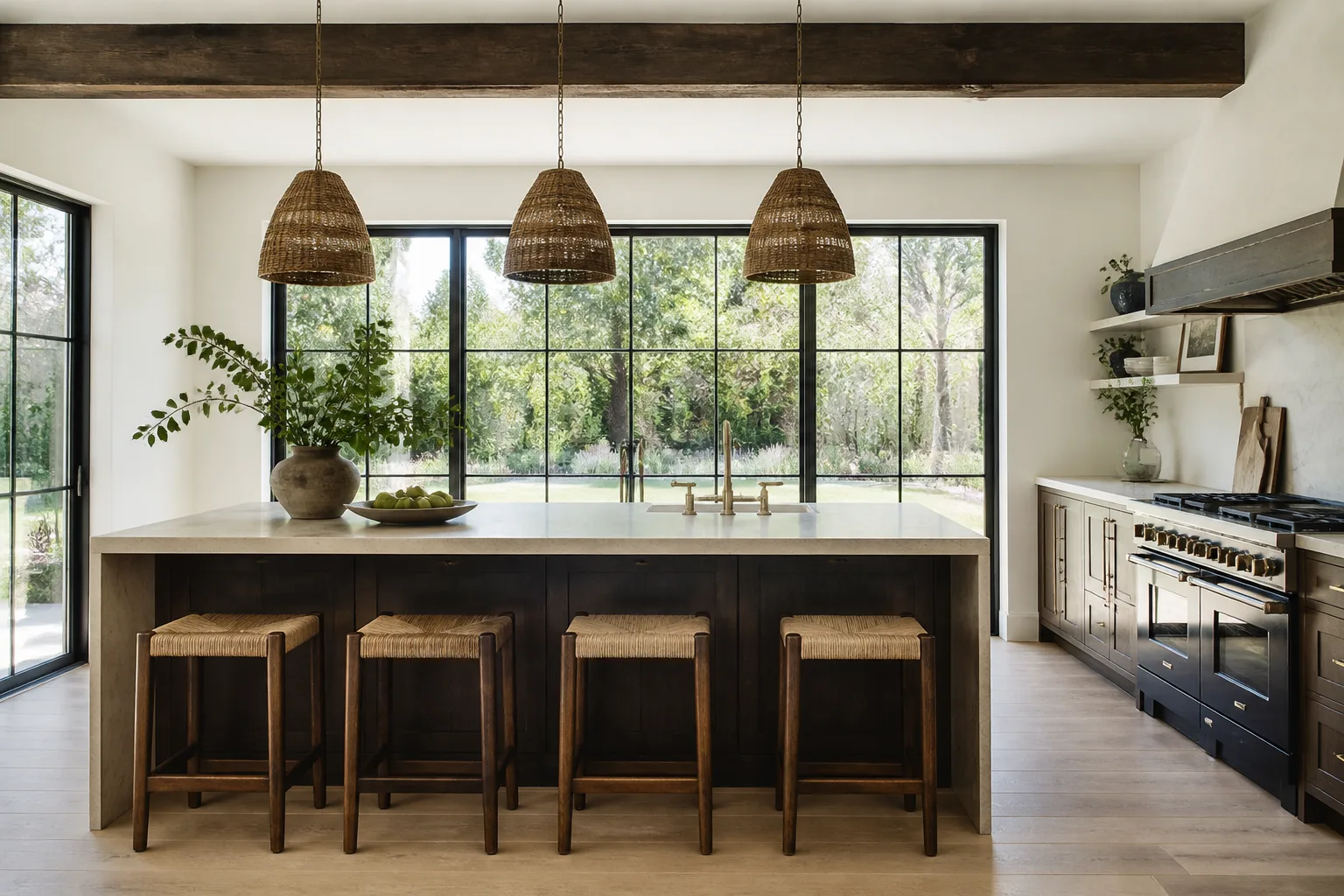
Silestone is a quartz surface made by Cosentino, and the good news for addition work is that the color lines stay consistent across slab runs. That means the Blanco Maple you installed in 2019 can still be ordered for your new kitchen wing in 2026, assuming the color hasn’t been retired. Colors do get retired, and that’s the compatibility gotcha most owners miss. Before you plan a seamless match, give us the color name from your original invoice or the underside of a sample, and we’ll confirm current production status with our slab supplier in Fort Worth.
The series matters too. Silestone’s standard line runs in 2cm and 3cm thicknesses, and the 3cm is what we recommend for additions and ADUs because it stands up better to the settling that new construction goes through in North Texas clay soil. The Le Chic and urban series have different veining patterns that run through the full slab, so matching a small run of those is trickier than matching a consistent color like White Zeus. We also stock and install Cambria and Caesarstone if your addition calls for a color Silestone retired, and we carry KraftMaid cabinetry that pairs cleanly with Silestone’s edge profiles.
One note up front: Sawyer Remodel Fort Worth is an independent installer and remodeler. We’re not a Silestone dealer or affiliated with Cosentino, which means we tell you when a different surface makes more sense for your budget instead of pushing one brand.
Styles & brands we work with







Signs Your Silestone Home Additions & ADU Is Failing
Most Silestone itself doesn’t fail. What fails is the install around it, and Fort Worth’s shifting soil makes this more common than people expect. Here’s what we see on addition and ADU jobs:
- Seam separation at the new-to-existing wall line. New construction settles in the first 12 to 18 months, and a countertop seam that was tight at install can open up an eighth of an inch. This is the number one call we get on additions in Fort Worth neighborhoods built on expansive clay.
- Cracking near the sink or cooktop cutout. Silestone is tough, but a 3cm slab with a narrow front rail and no support bracket will crack under the weight of a cast-iron sink or a full stockpot dropped hard. We add steel support rails on every Silestone install with a cutout wider than 24 inches.
- Edge chipping at the overhang. Kids, barstools, and moving boxes catch the edge. Silestone chips at the corner more often than the middle, and while a chip can be filled, a badly damaged edge usually means replacing the run.
- Water damage at the backsplash joint. If the caulk line between Silestone and drywall was skipped or failed, water gets behind and rots the framing below. In a new ADU, this shows up as a soft base cabinet or a mildew smell under the sink.
- Slab movement or lippage at the seam. If you can feel a ridge where two slabs meet, the original installer didn’t level the substrate, or the cabinet base has shifted. Lippage over a dime’s thickness means seam rework or a full pull-and-reset.
See the difference
 Before
 After
After Before
 After
After Before
 After
AfterReplacement Cost & What’s Included
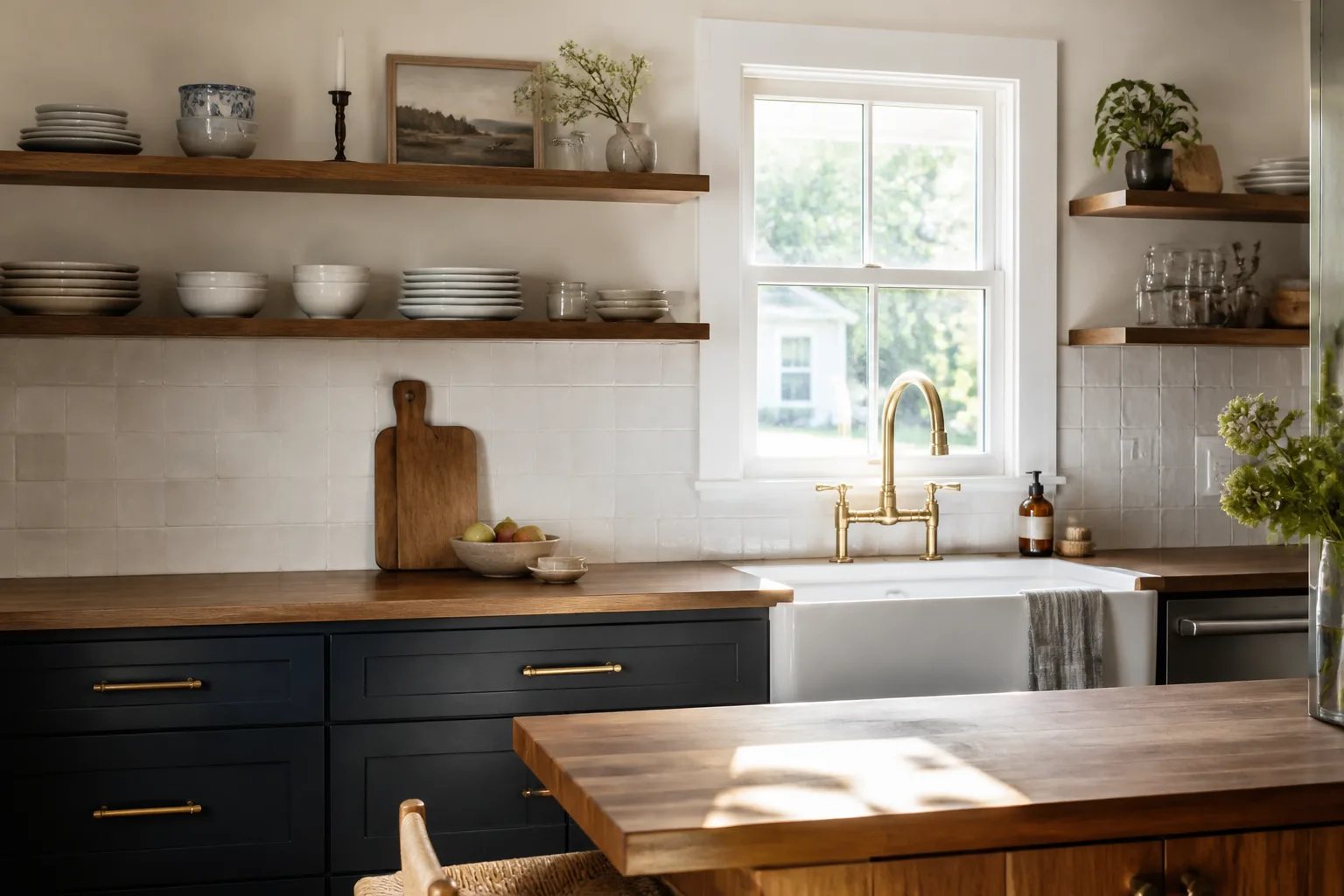
For Fort Worth additions and ADUs, Silestone replacement or new countertop installation runs $2,000 to $6,500 total, with the full addition project landing between $45,000 and $130,000 depending on square footage, finishes, and whether you’re building up or out. The countertop portion breaks down like this:
- Silestone slab and fabrication: $45 to $85 per square foot installed, including template, cut, edge profile, and sink cutout
- Demo and haul-off of existing tops: $300 to $800 depending on length and whether it’s glued or screwed down
- Steel support rails for large cutouts: $150 to $400 per rail, and we won’t skip these on a 3cm Silestone run over a 30-inch sink base
- Plumbing disconnect and reconnect for the sink: $200 to $500 if we’re pulling the old top and resetting the faucet
Every quote from us is a written, line-item price before work starts. The number you approve is the number on the invoice. If we find a problem behind the wall once the old top is off, we stop and show you photos before any additional work is authorized. That’s the Relay Visibility Guarantee, and it’s not optional. Our install work carries the 365-Day Done Right Promise: if a seam opens or a top is out of level inside a year, we make it right at no charge.
DIY or Call Us?
A Silestone slab weighs roughly 18 to 20 pounds per square foot. A standard 10-foot run at 25 inches deep is around 400 pounds. If that number makes you pause, good. This is not a two-person weekend job, and quartz doesn’t forgive a drop. We’ve seen DIY pulls end in cracked slabs, damaged cabinets, and one homeowner who sliced a palm open on a freshly cut edge. The countertop itself is safe to work on, but moving it is not.
What you can safely do: clear the countertops, unplug small appliances, and check whether the old top is screwed from underneath or glued down with construction adhesive. That tells us what we’re dealing with before we arrive. What you shouldn’t do: attempt to cut Silestone with a circular saw, pry a glued slab off with a crowbar, or carry a full run with two people. The dust from cutting quartz contains silica, and the weight alone can send you to urgent care. If you want this done without a hospital visit, call (682) 841-6652 and we’ll handle the heavy part.
FAQs
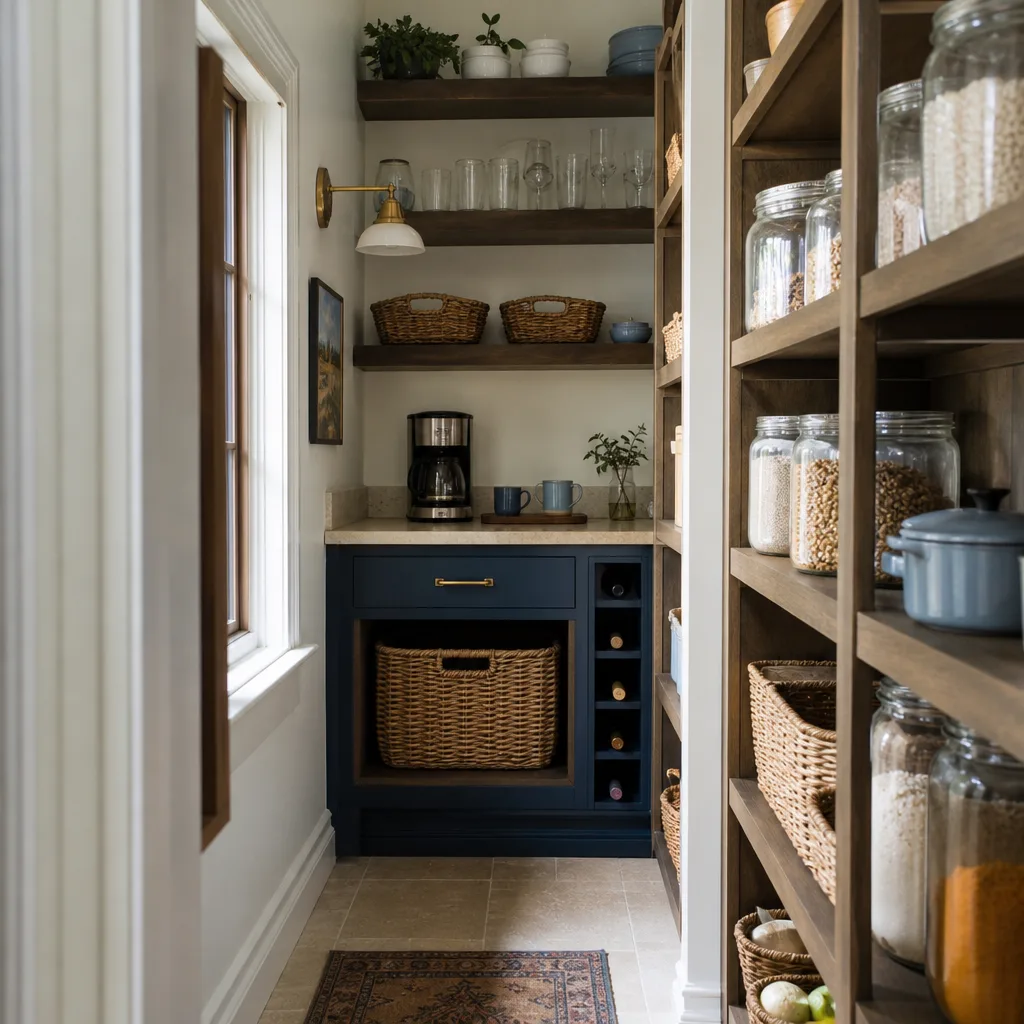
Silestone quartz carries a 25-year manufacturer warranty, and in a properly installed 3cm application in Fort Worth, the surface itself should last the life of the home. The install details matter more than the material: steel support rails, proper seam placement, and caulk maintenance at the backsplash are what get you there. Call (682) 841-6652 if you want an honest look at what you’ve got.
Small chips and edge nicks can be filled with color-matched epoxy and polished to where most people will never spot it, and that repair runs $150 to $400 in Fort Worth. A full crack through the slab, or a crack radiating from a sink cutout, cannot be reliably repaired because the structural integrity is gone. We’ll tell you which one you have before we quote anything. Free estimates at (682) 841-6652.
From template to install, a countertop replacement in Fort Worth takes 7 to 14 days. The template appointment is about an hour, slab selection takes an afternoon at the supplier, and fabrication runs 3 to 5 business days. The actual install is a one-day job for a standard kitchen. We give you a written schedule before work starts, with live arrival time on install day.
We don’t warehouse slabs in Fort Worth, but we work directly with Cosentino’s regional distribution center, which means most standard Silestone colors are available within a week. Rare or recently retired colors may need a slab transfer, which adds 3 to 5 days. We confirm availability before you sign anything, so you’re never waiting on a color that doesn’t exist. Call (682) 841-6652 and we’ll check your color while you’re on the phone.
Written by Luca Romano, Owner & Lead Remodeler, Sawyer Remodel Fort Worth at Sawyer Remodel Fort Worth, serving Fort Worth and nearby areas.


